

BrendAn
-
Posts
4,768 -
Joined
-
Last visited
-
Days Won
83
Content Type
Profiles
Forums
Gallery
Downloads
Blogs
Events
Store
Aircraft
Resources
Tutorials
Articles
Classifieds
Movies
Books
Community Map
Quizzes
Videos Directory
Everything posted by BrendAn
-
true but not from mechanical failure usually. robinsons and hueys both use 2 blade teeter rotors which can lead to blade bump in turbulence or neg g manouvres. they have to careful of that.
-
i am a pretty nervous flyer . i haven't even got one hundred hours up yet. keeps me alert though
-
muster pilots throw them around like that
-
when i get up each day i think i am not going to annoy nev today but i can't help it. 🙂. if i make a joke you jump on me. if i go off topic you jump on me. but you do both every day. don't you think thats a bit hypocritical. try and behave or i will give you time out for an hour🙂
-
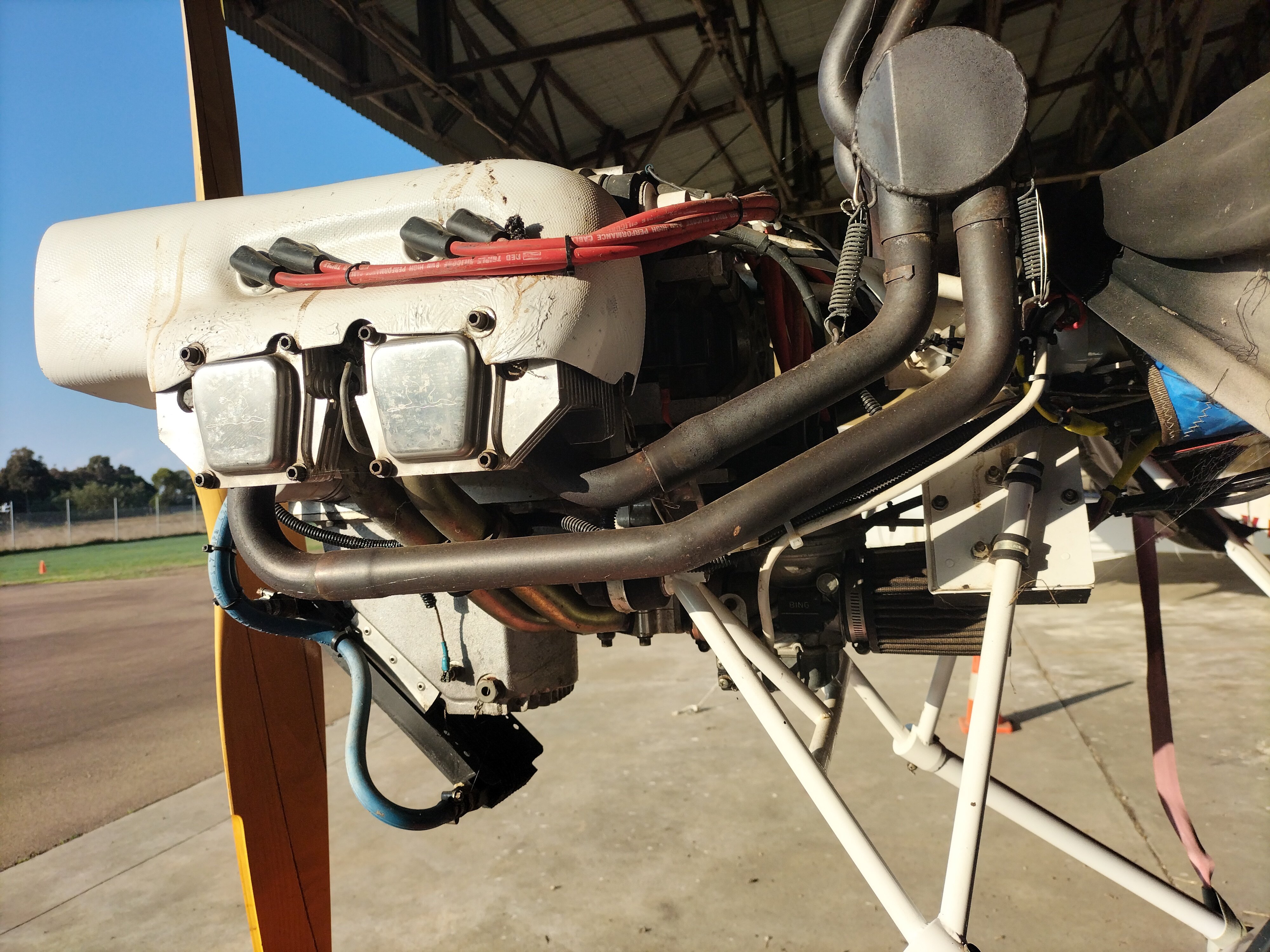
Getting a long way from a Jabiru exhaust 😁
-
I don't know what set you off. I said my car and trucks have stainless steel exhaust systems . I was pointing that out because you said they didn't catch on in cars. The best systems are stainless .
-
I don't know what you are carrying on about so I just let you go.
-
What
-
I don't know what to say anymore.
-
You stick with what you said. I will go with the professional exhaust manufacturers.My euro trucks have stainless exhausts that have been on there for years. Not cracked or corroded. My LS2 has stainless extractors and a stainless hi performance exhaust system. I know you didn't say popular.
-
Not sure why you would say stainless exhausts are not popular on cars. The best performance systems usually are. Popular on trucks too . I think it will the price that makes them less popular.
-
When I was an apprentice at Stilwell Ford we used to get xd falcon taxis in with 700,000 km plus still running well. Taxis were a special order back then. They had blueprinted engines and the fact they rarely got cold and ran on gas made them go forever. I guess the exhaust was kept dry as well. No overnight condensation.
-
i finished my training in a texan. i really liked it. the instructor was telling me about someone that hired it didn't latch the canopy properly and it blew open in the circuit. if it had come right off he might have lost his tail.
-
Getting a bit silly. We are not talking a high speed aircraft here. And the fact that the same doors are .passed by the bmaa in the UK for training , they can't be too bad. The xair I fly needs a door catch like the UK versions then the door can't open if closed properly.
-
No . Gullwing doors open upwards. Because it has 2 wing struts any other way would make it too hard to get in and out.
-
i was talking about the 172. the hinge is at the front so you are pushing against the airflow. i am not talking about 1930 suicide doors.
-
well there you go. i always thought it was up in the mountains. never been there though. peter wilson the raaus instructor there is a great bloke. been training for a long time. thats if he is still doing it. i found the old school experienced instructors far better than some of the kids that rushed their ratings to build hours towards commercial.
-
2200 Instruction & Maintenance Manual - jabiru.fr An effective stainless steel exhaust and muffler system is fitted as standard equipment, ensuring very quiet operations, which in the Jabiru aircraft have been measured at 62dB at 1000' full power flyover
-
jab exhaust is cracked not rusty so maybe it is stainless under the brown colouring.
-
I don't know what the thickness is but it is pretty thin
-
no idea nev but tumut would be pretty high altitude. thruster or Methusela would know .
-
they are ms but quite thin . they would be saving weight i guess. they need to save every ounce possible. only 430 kg mtow and empty 266 kg
-
a 172 door opens forward so the wind keeps it from opening too far. the xair doors are gullwing and will break off at 60 knts thats why i had to hold it closed. pretty flimsy.
-
tumut has raaus
-
probably because it is 22 years old.