
BrendAn
-
Posts
4,768 -
Joined
-
Last visited
-
Days Won
83
Content Type
Profiles
Forums
Gallery
Downloads
Blogs
Events
Store
Aircraft
Resources
Tutorials
Articles
Classifieds
Movies
Books
Community Map
Quizzes
Videos Directory
Everything posted by BrendAn
-
group g took a big blow when casa introduced class 5 medical.
-
When you look at the link trainers they used to teach airforce pilots in you would think modern pc simulators should be way ahead of those.
-
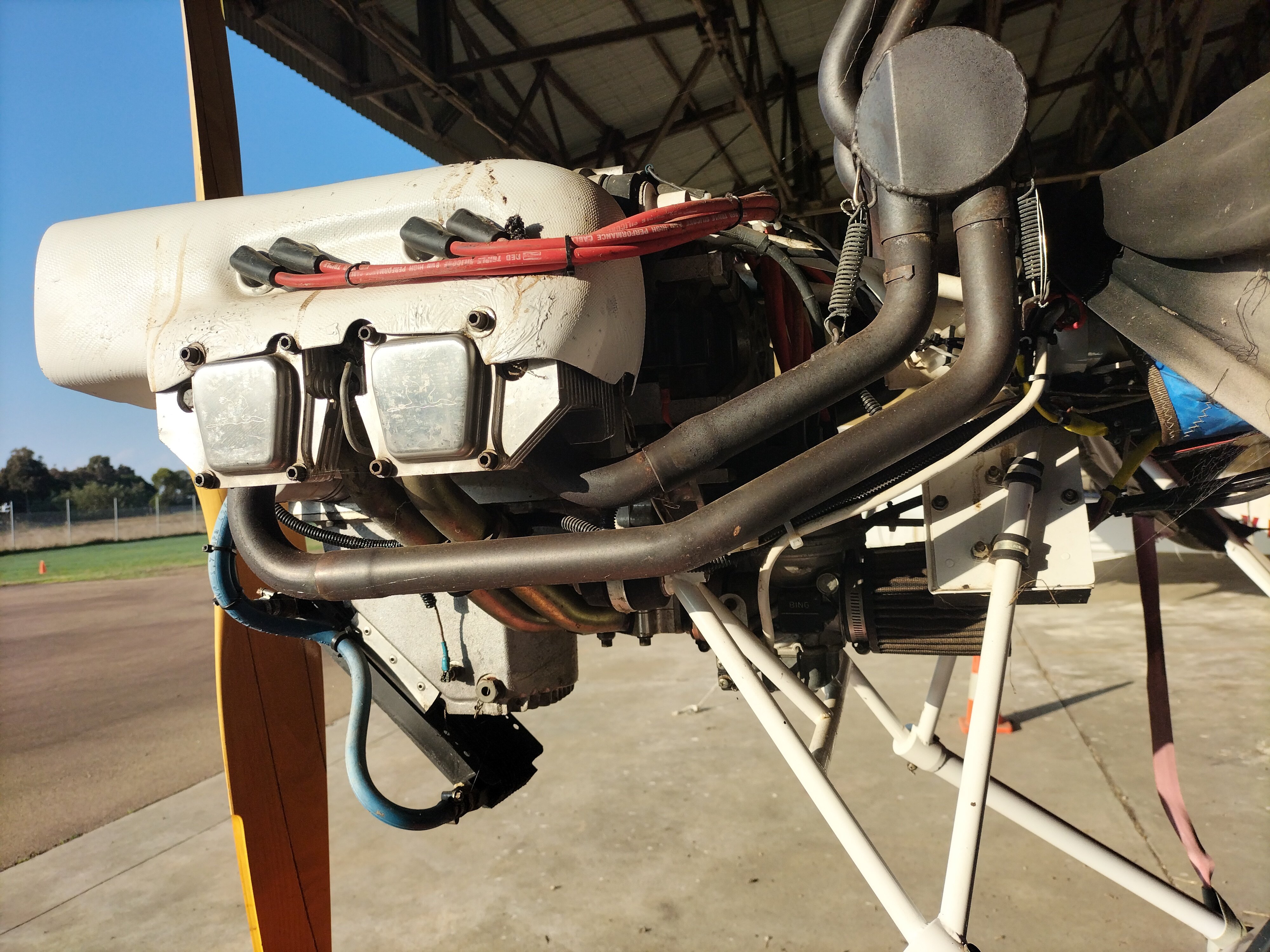
Ok. That's a bugger. I thought Jabiru might have copied the engine mount. These things are way before my time.
-
A Jabiru might bolt straight in. You gain 20 hp No radiators to mount and excellent fuel economy
-
It’s just hit me hard that I can’t do this :(
BrendAn replied to danny_galaga's topic in Student Pilot & Further Learning
😭 -
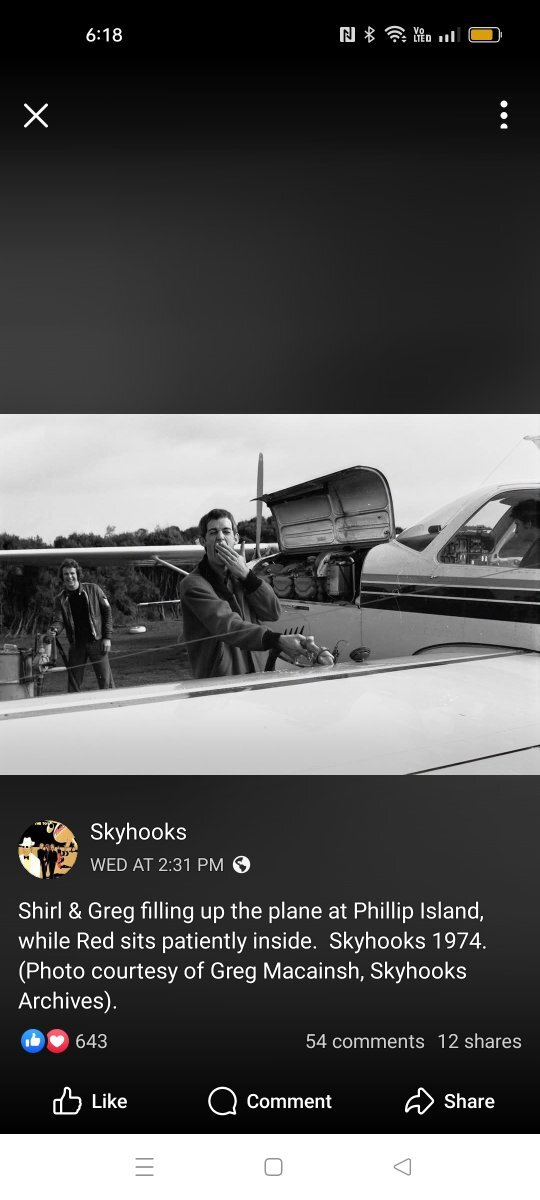
This photo was on Facebook. Shirl in the background and red in the left seat. Bit of Aussie rock history.

-
- 4
-

-
What does semi wheeler mean ?
-
Would a Jabiru be a better option. If they use the same mount as the kfm. I know of one for sale complete with carby and exhaust system ,2k
-
Len is a nice bloke. Gave me a lot of good info on the karatoo.
-
easy fix.
-
Around here every touch and go is a fee. The flying school were getting charged double . The cameras were getting them at each end of the runway , cri was not happy when he saw what they were doing.
-
It's not you.
-
That's good value. It's $2000 p/a here for a 9 year lease I think it is. You can get long leases but airport manager said it's a lot of rigmarole to go through.
-
It’s just hit me hard that I can’t do this :(
BrendAn replied to danny_galaga's topic in Student Pilot & Further Learning
i think your shortchanging yourself danny. once you get into it i am sure you will be fine. i am yet to tackle xcountry as well. anyone that can do as good a job as you have on your aircraft is way ahead already. -
evil avdata are shire of wellingtons debt collectors.
-
for what its worth, i posted this pic off the net. it answers skippys observation about the landing gear. this is the prototype heron number 1. i thought i had read that on the info plaque.
-
you have too much money if you think 15 to 20 is fair. it puts people off from practising their touch and goes. the dollars add up quick at those rates. i guess if you are taking off to go somewhere and return later its not so bad. but for myself being a new pilot i spend my time practising mainly.
-
Good idea. I will go back to ignore. If you tick all the boxes you won't see anything just his name.
-
You are always sooking
-
You were happy to contribute one day then have a go at me the next Can't go on the forum without arguing with you. You are on here 24/7. Stirring and digging for reactions.
-
I have had enough of you sooking over nothing. Same as having a go at me last night. I didn't insult you. I can't say anything without getting some crap from you.
-
Saying you always have the same response is hardly an insult. How come my shire never slugged us with landing fees until last year. 4 or 5 ultralights flying on the weekend occasionally is hardly worth the effort. A data probably make more than the council. I am flying off a farm now anyway so it doesn't concern me any more. If you think it's a good thing to deter new pilots from practising touch and goes, I disagree.
-
always your response. commercial should pay. rec pilots pay through shire rates and large hangar rents and other things i am sure.
-
facthunter had no trouble commenting about the heron dove yesterday . i already apologised to danny for hijacking the thread.