Thruster88
-
Posts
3,869 -
Joined
-
Last visited
-
Days Won
92
Content Type
Profiles
Forums
Gallery
Downloads
Blogs
Events
Store
Aircraft
Resources
Tutorials
Articles
Classifieds
Movies
Books
Community Map
Quizzes
Videos Directory
Everything posted by Thruster88
-
We would always have the option of bugging out with a light pull on the stick, no increase in power required.
-
This all sounds like a serious case of common sense prevailing.
-
I seriously believe i could do this in my thruster easily. The thruster has excellent forward visibility, it would be at high cruise speed so very good control ability. A simple wheel landing. The train "containers" have open ends so the turbulence may not be that bad.
-
 Looks like the aircraft built by one of our forum members
 -
Welcome Jack, a local young fellow has just purchased a CX4, I had not seen one before, nice looking aircraft.

-
The playing field between VH and RAAus aircraft is narrowing bit by bit. The difference now is all VH aircraft except experimentals THE OWNER BUILT require LAME maintenance. The ease of getting an L1 endorsement, one multiple choice exam, compared to the days long training with the new not yet available SAAA maintenance course that will enable non builder owners of VH experimental to maintain their aircraft is an interesting one.
-
RA-AUS Cross country endorsement
Thruster88 replied to danny_galaga's topic in Student Pilot & Further Learning
It is about time we should be teaching cross country using an Electronic Flight Bag. Commercial pilots fly this way, most private pilots fly this way. Being able to demonstrate one's ability to correctly us an EFB for planning, in-flight navigation and diversion, getting notams and weather, use of traffic info etc would be best done with an instructor rather than winging it alone. Anyone still use a Gregorys street directory? Anyone failed to reach their destination using Google maps? -
Parking up a plane. Slowing down stale fuel?
Thruster88 replied to danny_galaga's topic in Engines and Props
Laughing with you danny, just to be clear. -
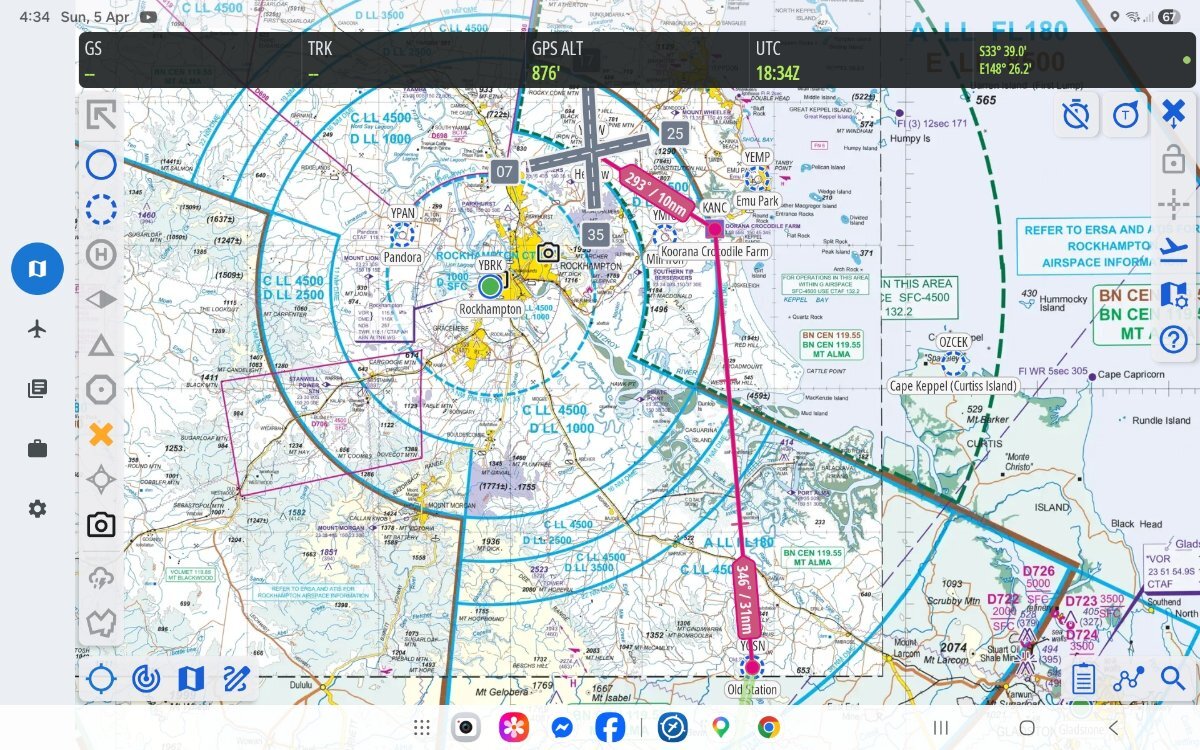
Looking at google maps terrain and the airspace chart for a few minutes, this is how I would do it. Old Station- Koorana croc farm - Hedlow. All OCTA.
-
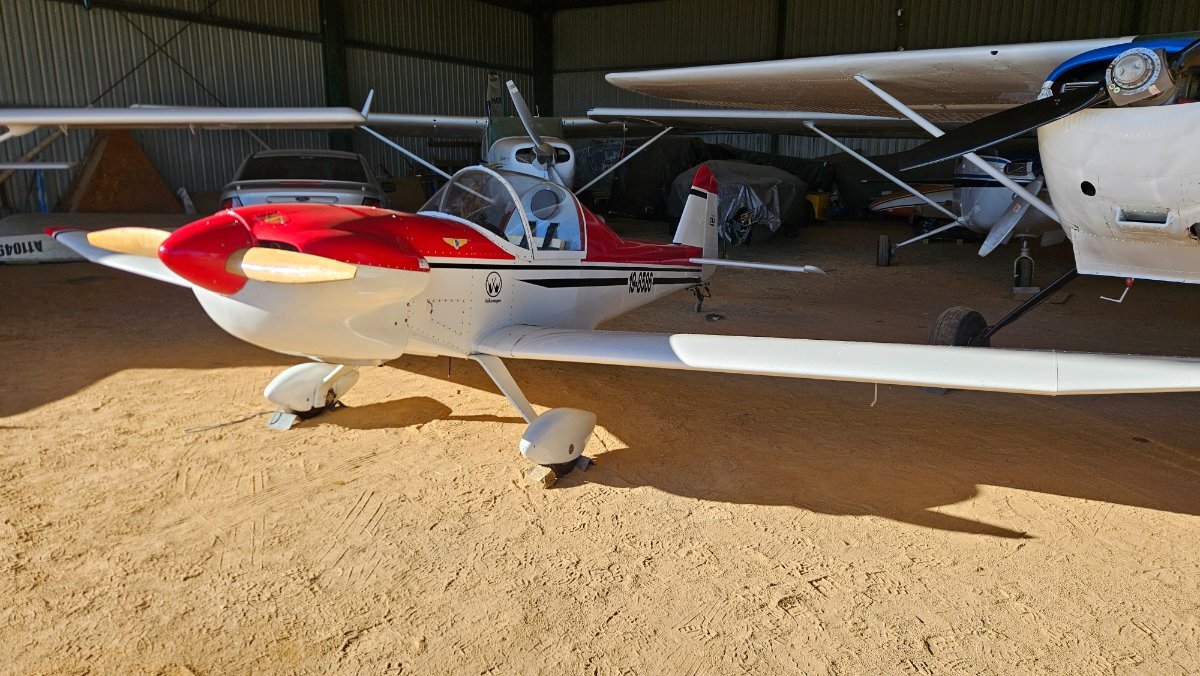
Thankyou for posting Gary, A Thruster for one, or one for thruster, I like it either way. Have just passed 40 years of continuous Thruster flying, hopefully another 20 or 30 to come. My Thruster 1988, t500 will be the last aircraft I fly. They are fun and teach you to fly.
-
My casual observation was that most aircraft in airside parking were not raaus aircraft. We camped and could have taken the musketeer into the site but the no propeller rule ruled this out, I am not going to push a heavy aircraft. We returned to the musketeer thru the "pool" gate to collect some things without having an asic, I did not renew last time. I agree, Narromine is better.
-
If a good investigative journalist was to follow the chain back from the servo up they could find out who has been making the enormous windfall from the trump netanyahu war. Data, it is all in the data.
-
Spitfire Gear up @ Scone, 26 March 2026
Thruster88 replied to KRviator's topic in Aircraft Incidents and Accidents
Pics on Facebook of P40 kittyhawk VH-PFO damaged in some kind of runway excursion at Scone airshow 2026 Sunday afternoon. -
Me thinks the servos peak body is going to have some explaining to do. Hopefully Journalists will keep on this story. ABC may have bias in some people's minds but they can get a story out. The story is fuel prices not ABC bias so please comments on fuel price only. Track Australian petrol and diesel prices - ABC News WWW.ABC.NET.AU The federal government's cut to fuel excise has almost immediately flowed through to petrol prices at the pump, according to ABC tracking of fuel price data nationwide.
-
Speaking of NASA, the Artiemis 2 rocket launches tomorrow 9.24 am eastern australia time. Good luck to all.
-
Hi All, Newbie seeking help with Skyfox Gazelle
Thruster88 replied to Neil Denmark's topic in Just Landed - Welcome
Airworthiness Directives, AD's, never die, sometimes they are amended or cancelled. Cancellation usually only occurs if it reasonable that all applicable aircraft will have had the AD applied. In this case because the AD only applies to high time aircraft it will be forever. -
Hi All, Newbie seeking help with Skyfox Gazelle
Thruster88 replied to Neil Denmark's topic in Just Landed - Welcome
That AD is pretty clear, those items HAVE to be replaced at those hours. -
Seriously, they all decided to drop their prices by 26 cents per litre? We hear all the time there is not much margin at the servo.
-
This is not about politics So an interesting thing happened today. The federal fuel excise cut of 26 cents per litre started april 1. At 8am today I checked the nsw gov fuel servo price app, only one of 5 servos in cowra had dropped their price by 26cpl ON ALL GRADES, the rest no change. Not sure why all had not lowered their price i checked Google news. Chris Bowen Labour spokesperson had said that until servos recieved new stock with the lower excise applied they would not lower prices and that this may take some time. I was unsure exactly when the excise is payed. Now 6.30pm April 1 all servos in cowra and most elsewhere have dropped their prices by 26 cents per litre. 1 did they all get new stock today. 2 did they do it out of the goodness of their heart even though they had old stock 3 does a federal minister? Not know how things work. Cowra prices now diesel 303.6 ulp98 255.9 for once we are similar to other towns around and not getting ripped
-
I don't think this happening yet, Sydney to Melbourne. An electric truck did deliver a load of toilet paper from Sydney to canberra recently and this made news. We are told the tesla semi can achieve 1.05 kwhours per kilometre, if we apply some musk bs factor and assume in the real world a b double might use 1.5kwh per kilometre. 878km x 1.5 = 1317kwh battery required. That would be about 8 tonnes of battery. Not sure what the freight rate is Sydney Melbourne, the electric truck will be giving up about 6 tonnes of freight. Electric trucks will rule when the bean counters say it is time.
-
Have had an avgas burner for 30 years now, only 100 low lead has been available. I have read about the other grades from long ago, 80/87 and 130/145.
-
Interesting comment early in the vid from the owner about one of the reasons for their financial difficulties, "competition from our own aircraft on the used market". I see and understand what he he saying. Why buy a new aircraft or kit when one can buy the same item for half or less price and have it immediately.
-
Spitfire Gear up @ Scone, 26 March 2026
Thruster88 replied to KRviator's topic in Aircraft Incidents and Accidents
Totally agree on any gear up landing incident, that could and will happen to anyone. A deliberate decision, before takeoff, to fly over high terrain in potential IMC conditions as a VFR pilot in a jabiru230 or beechcraft 33 for example is somewhat different situation. -
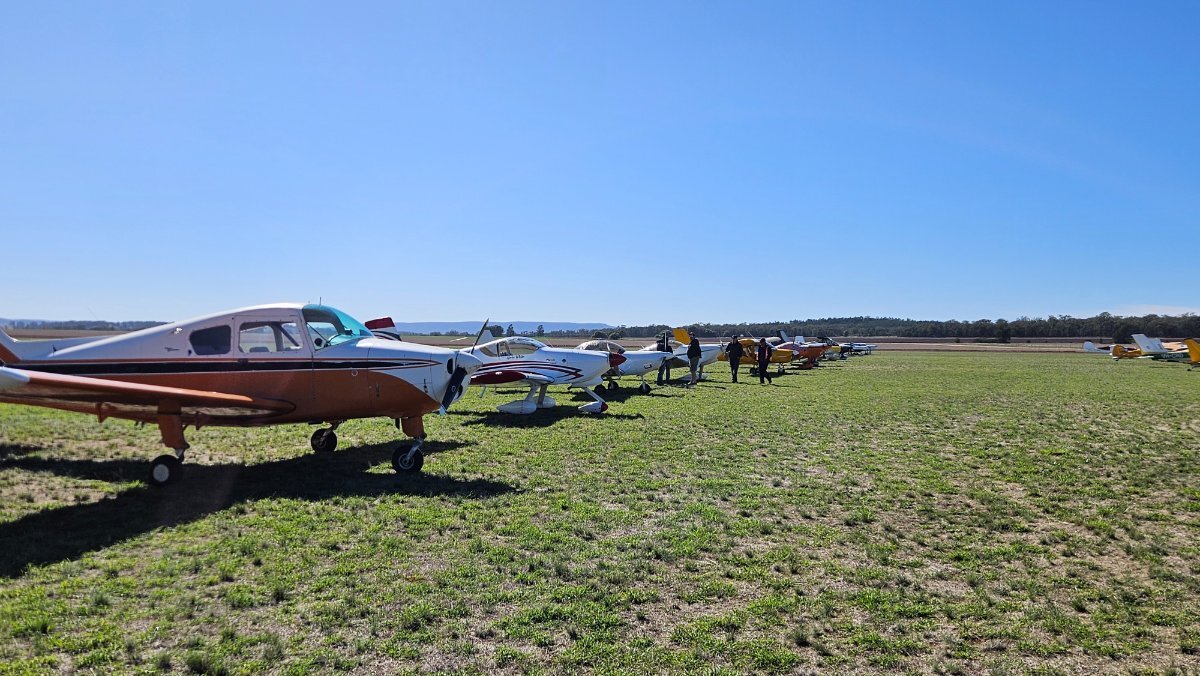
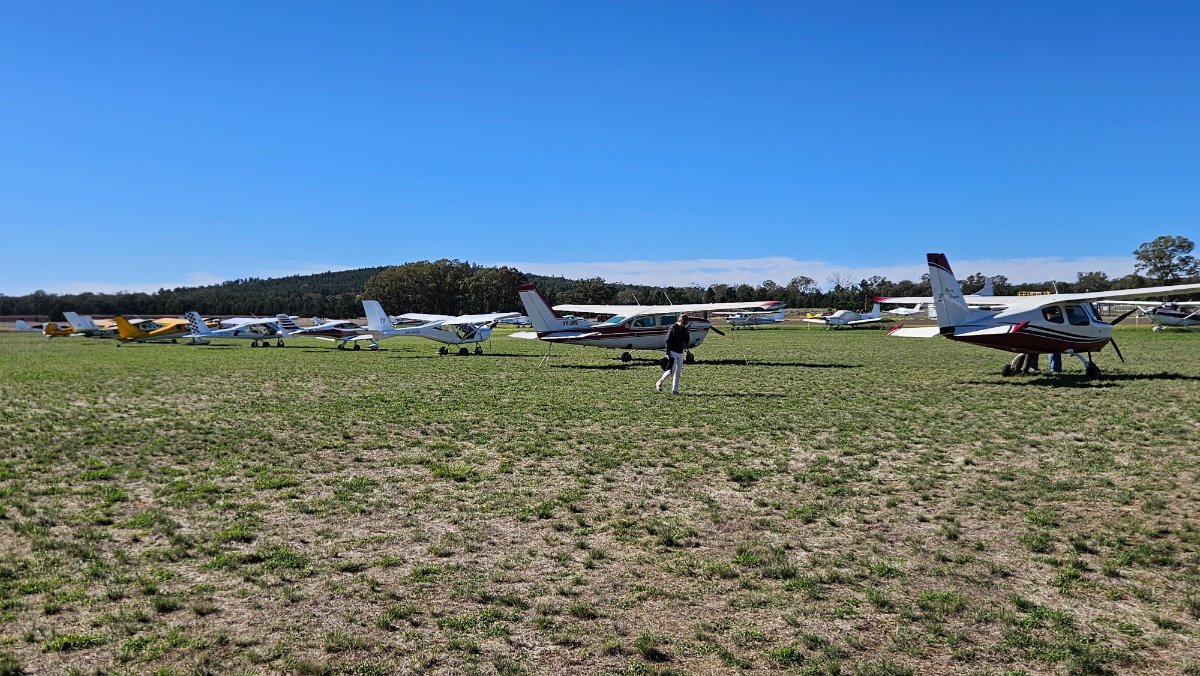
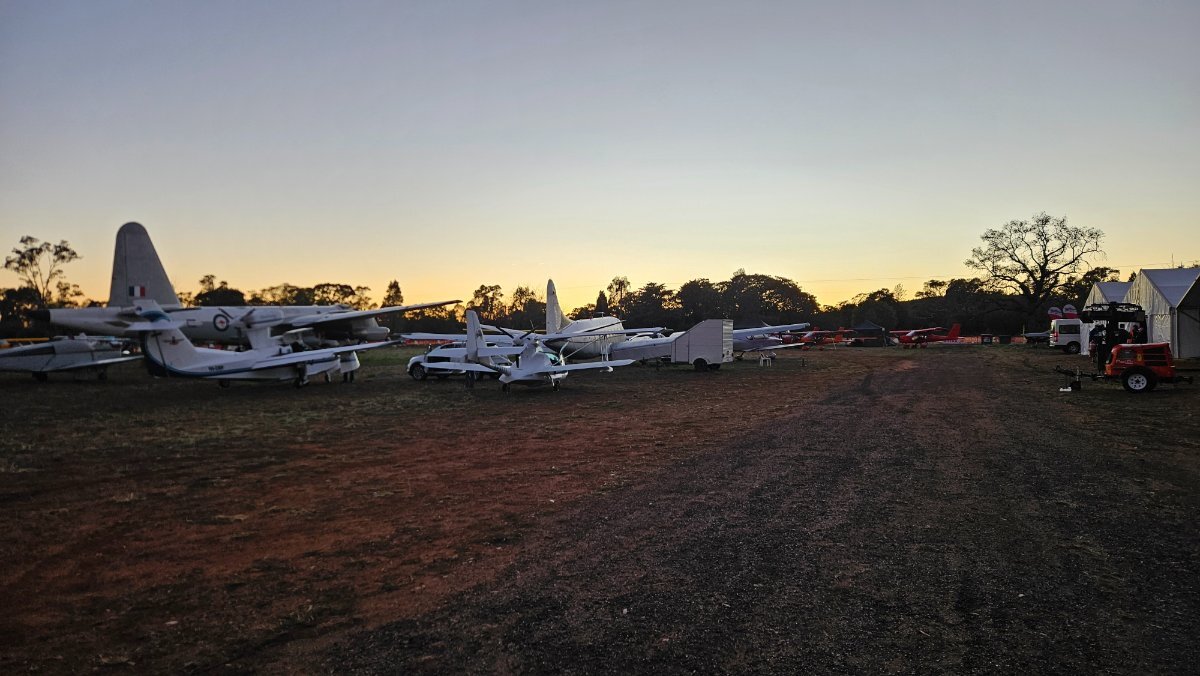
We flew in Saturday morning in the mighty musketeer, weather was perfect, no cloud and light wind favouring 22 for arrival and 04 departure on Sunday so need for any back tracking. 3 rows of aircraft in the air side parking with more to come. Walked to camping area not terrible, bus was available. Greek and Chinese food was pretty good, beer selection was excellent and reasonably priced. The 25 women 5 day bushcat build flew Saturday afternoon. Was all good but Narromine has better atmosphere for a flyin and better on site facilities.
-
Another aspect of these wars is Fertilizer, somewhat boring if you are not a farmer, however we all have to eat. Nitrogen is produced in the Persian Gulf from natural gas, Russia is also a major exporter. Prices have risen at a greater rate than petrol, diesel since the n & t war started. As a farmer it has me thinking, will very high input costs reduce production/ yield of crops. Suppy and demand is well balanced atm, we are going for it. Much like oil a small reduction in production will increase price. A small increase in the price of wheat results in the price of bread going up by a much greater amount. There is currently about 30 aussie cents worth of wheat in a 680g loaf.