

djpacro
-
Posts
2,979 -
Joined
-
Last visited
-
Days Won
17
Content Type
Profiles
Forums
Gallery
Downloads
Blogs
Events
Store
Aircraft
Resources
Tutorials
Articles
Classifieds
Movies
Books
Community Map
Quizzes
Videos Directory
Everything posted by djpacro
-
“Maybe the rumor that those with small penis's wore them made a difference.” You know what … I’m not interested in this forum and the … here ….
-
The story of the Optica planes. YHOX gets a mention too!
djpacro replied to flying dog's topic in Aviation Videos
Straining the memory after 35+ years first take-off was a surprise with that view out the front, took a bit of getting used to; similar considerations with attitudes in general extremely quiet from outside inside, it sounded like a vacuum cleaner great xwind capability very docile stall fixed pitch ducted fan was inefficient so poor performance 3 seats in front but weight limited structurally doors appeared very flimsy some deficiencies when we pursued FAR 23 certification: abysmal airframe fatigue life -
I love my X15 https://www.aircraftspruce.com.au/catalog/pspages/garmin_x15.php an expensive toy but useful.
-
The story of the Optica planes. YHOX gets a mention too!
djpacro replied to flying dog's topic in Aviation Videos
https://www.australianflying.com.au/news/major-award-for-jabiru-boss#:~:text=In recognition of his work,recent AirVenture Oshkosh international airshow. https://www.australianflying.com.au/latest/engineers-australia-recognises-jabiru-founder I imported the first Optica, G-BMPN, to Australia for the company I worked for at the time and did quite a bit of flying in it. So that became VH-BMC and the person who bought it (Mr Waterhouse I guess, can't remember) also bought a second one. https://www.airhistory.net/photo/919879/VH-BMC -
Duel Licensed RAA /GA Instructors
djpacro replied to skippydiesel's topic in AUS/NZ General Discussion
Not quite, since Part 61 12 years ago, a PPL can get a FIR with training endorsements to teach any design feature and any fliight actiivity endorsement. CASA's old CAAP is still in effect https://www.casa.gov.au/flight-crew-licensing-flight-reviews fairly sensible. My opinion is that they don't want to rewrite it consistent with the Part 61 reg. "... successful completion of a flight review for a rating on a pilot licence requires demonstration, to a person mentioned in subregulation (2), that the holder of the rating is competent in each unit of competency mentioned in the Part 61 Manual of Standards for the rating." That is far beyond a review per the CAAP. Of course, some rating renewals and design feature endorsements are taken in lieu of a flight review. -
Not true.
-
I wasn't aware of that. My guess is that it was one of the rules relating to equipment fit or configuration which can be rectified? I recall one aero club offering ab initio in Tigers back around 2000.
-
When it happened to me … full throttle …. PAN call to Moorabbin Tower and they gave me the whole airport. Orbited overhead, descending. Low and fast on base then final … very fast. Got my student in the front seat to pull the mixture to idle cutoff. Nose up then sideslipped to reduce energy. On the ground at normal landing speed before halfway down the runway and easily stopped well before the end.
-
Would you fly a plane built by school students?
djpacro replied to rodgerc's topic in Aircraft General Discussion
https://www.atsb.gov.au/publications/2007/ar-2007-043(2) for the page where you can download the pdf or go direct to the pdf https://www.atsb.gov.au/sites/default/files/media/4097175/ar-2007-043_2__final.pdf The one that caught my eye was: "Loss of aircraft control led to 25 per cent of all amateur-built accidents, slightly more than for factory-built aircraft accidents, however, the loss of control accident rate was over four times higher. Serious injury was three times more likely after loss of control in amateur-built aircraft accidents than for factory-built. Loss of control accidents were more likely to be from aircraft handling issues where pilots had relatively less experience on the aircraft type, and to a lesser extent, engine problems. Aircraft loss of control was more likely to occur in the initial climb phase of flight in amateur-built accidents." -
Excellent stuff from Phil. He has quite a few videos in this series.
-
Some traffic showing on Webtraks. I’m away at the moment but my guess is the wind per BOM observations stopped many. The temperature is not pleasant so some may have cancelled for that reason. Most of the airplanes there were certified to CAR 3 or FAR 23. No specific temperature limit in the POH/AFM even though performance charts may stop at 40 deg C.
-
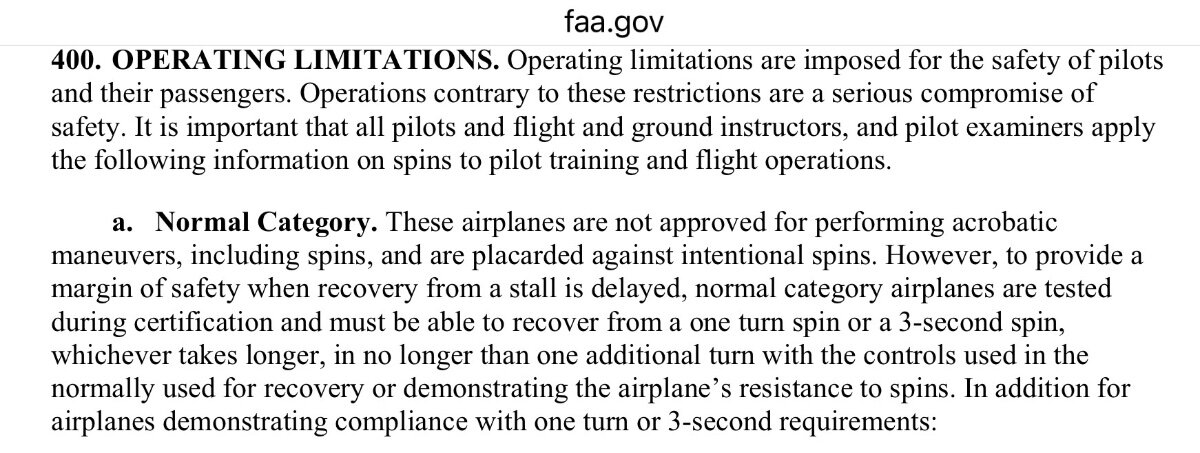
The principle is that there is no safe height to be demonstrating spins, including incipient spins, in a type not approved for intentional spins. From FAA AC 61-67.

-
Maintaining a certified aircraft.
djpacro replied to Moneybox's topic in Instruments, Radios and Electronics
That’s the problem with Australian rules for LSA, you need the manufacturer’s approval for any modifications. Whereas, PMA parts and TSO’d items are available for FAR 23 types. -
Indeed. Some flight schools do that. How about more focus on prevention? Look at the altitude in most of the reported accidents. Many such raaus types are certified and suitable for spinning and aerobatics. LSA and ELA etc in other countries.
-
"These Planes" I've never flown a 210 but I have done spins in many types. Some are reluctant to spin for normal practice spins but I usually manage to shock instructor trainees with an entry from a skidded turn with some power on. NASA did extensive spin tests on a 172 - with the CG further aft than its utitility category limit and readily enters a spin, move the CG further back (but within the normal category limits) and it will become unrecoverable. Certainbly agree with Nev on the parlous state of spin training in this country but probably not relevant here - more important is spin prevention. I see some flight schools train for the test and largely ignore the stall situations which won't be tested. From the book, Stall/Spin Awareness, by Rich Stowell: "“In the early 1970s …. a couple of flight instructors reported difficulty in recovering from spins. A representative from the FAA subsequently flew many different 150s with Cessna test pilots. No problems were found with the airplanes. The FAA representative then went into the field to address questions about the 150’s spin characteristics. The representative was met with considerable misunderstanding about spins in general and the Cessna 150 in particular. ….. The instructors responsible for launching this investigation apparently did not know the effect of aileron inputs during spins. Nor did they understand the importance of proper recovery control sequencing. Recognizing this problem, the FAA published an eight-page Flight Instructor Bulletin devoted to spinning. The FAA also sponsored a prototype stall/spin clinic and Cessna published a supplementary pamphlet … “ We are in a similar situation again now.
-
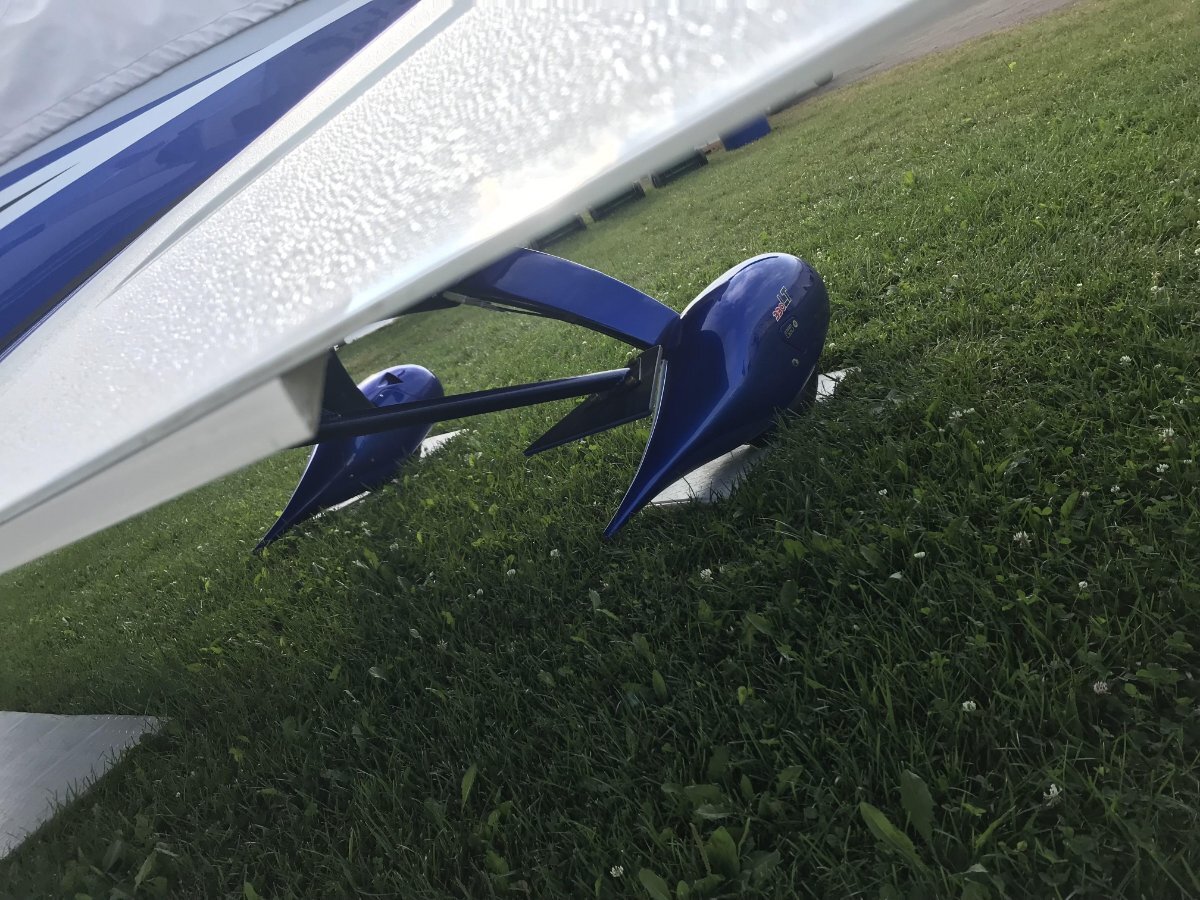
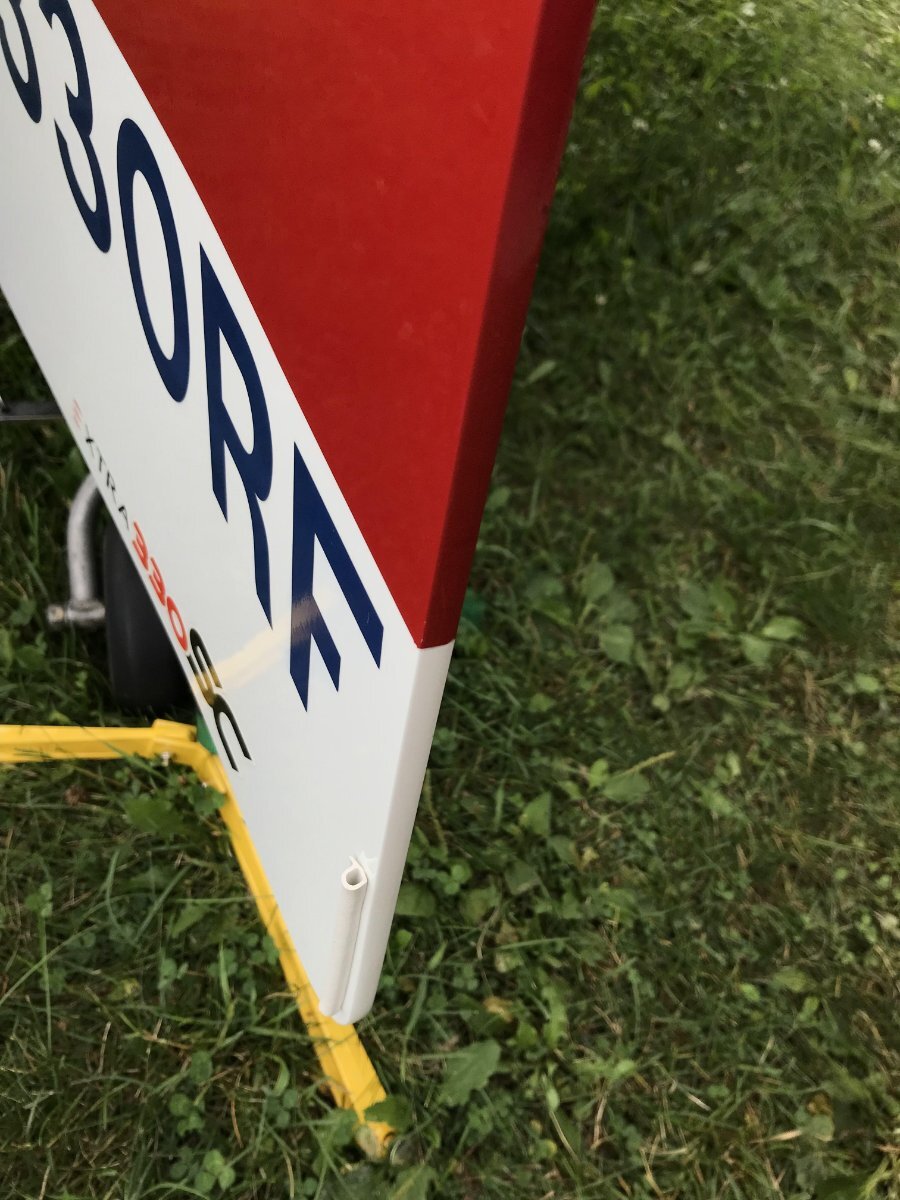
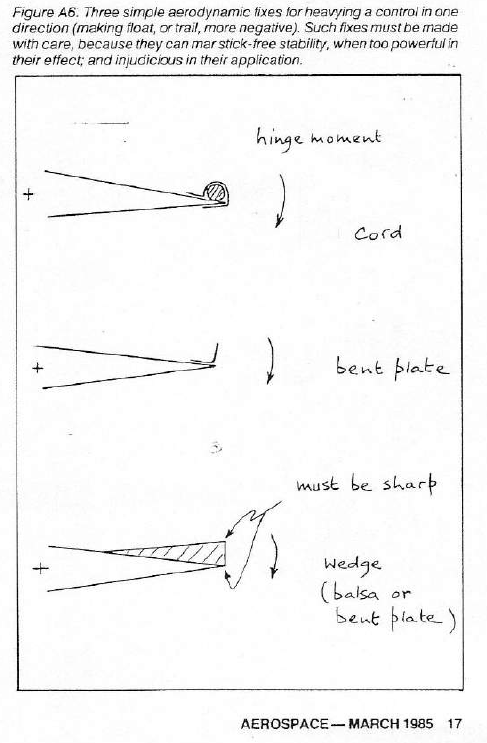
They work well. Under the aileron and on the rudder in these photos. Extract of a magazine article by Darrol Stinton.
-
Spruce here specifies brass. https://www.aircraftspruce.com.au/catalog/appages/safaircav110.php?clickkey=4324
-
I've had the same problem with new drain valves. Take them out and clean them - dirt or a burr is enough to open them enough to leak. Have a friend with you to stick their finger in the hole or have a plug (perhaps an old valve) ready to screw in.
-
Some of the American kids were in our class at school. I knew a lot at Laverton over the years, including some RAAF display pilots back then eg the guy who did the roll after takeoff in the Canberra at a Laverton airshow. A day or two later an American pilot tried it in a B-57 but tragically failed.
-
I wouldn't use it enough to warrant Garmin Pilot. My Aera is very easy to read up there. Mine came with maps and I've never bothered to get updates,
-
I've had an Aera 500 in my airplane (it was there when I bought it). I use only use the HSI display because it is easily visible high on the panel. Otherwise I don't need it as I have a TSO'd GPS and I use an iPad with AvPlan if I go anywhere. Mine is panel mounted.
-
This indicates that it will but it will cost you https://www8.garmin.com/manuals/webhelp/GUID-49EC93CF-DA3F-4514-817F-4098FC4A71AE/EN-US/GUID-621EAB08-32EF-4F23-8987-704A7ABC3E03.html
-
I've had a Garmin D2 Aviator watch for 6 years and just upgraded to a D2™ Air X15 https://www.garmin.com/en-AU/p/1957609/ Marvellous! Real aviation flight plannikng &U navigation, METAR & TAF. I've added the Windy App to get my usual forecasts plus weather radar. Over 10 days of battery life.
-
A slip is inherently spin resistant. Unlike a skid.
-
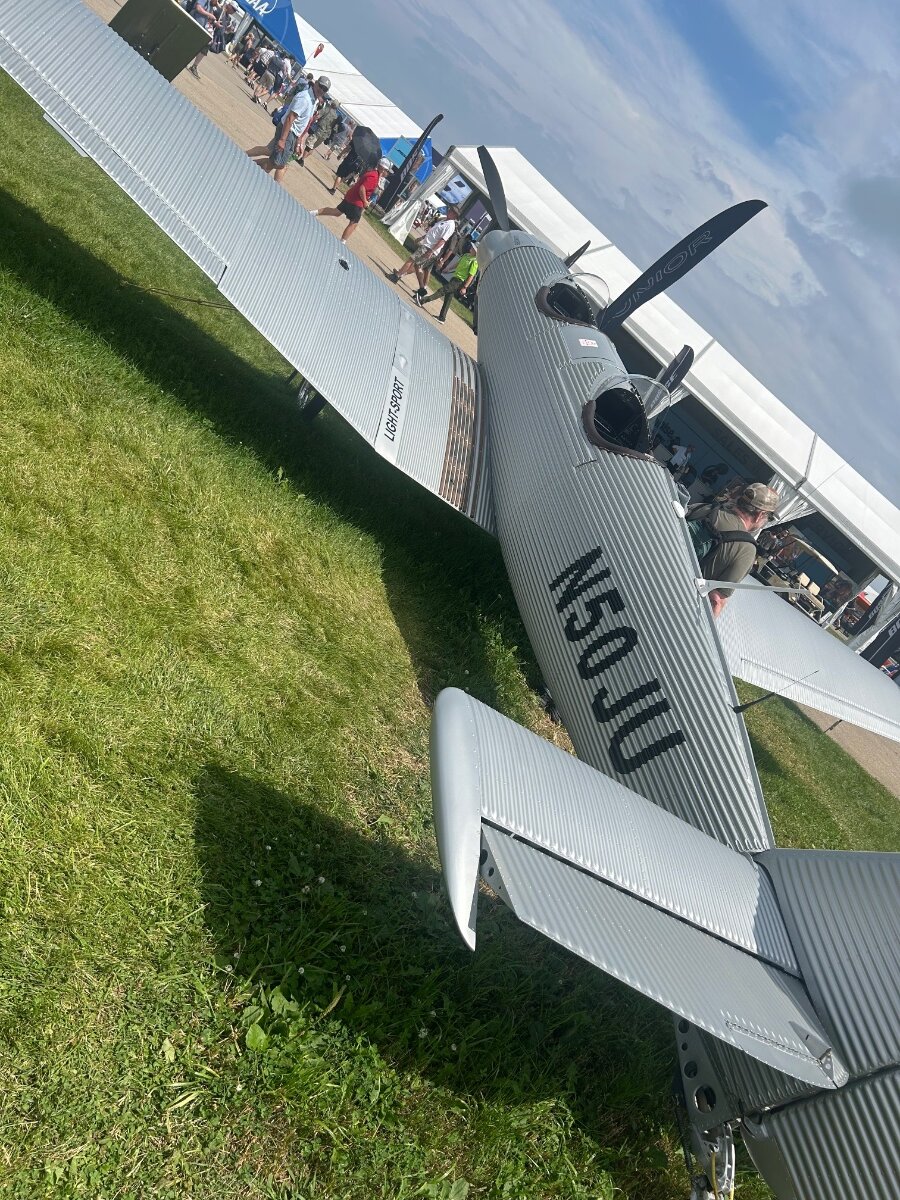
They looked very swish. The new Junkers nearby looked interesting.