


skippydiesel
-
Posts
7,619 -
Joined
-
Last visited
-
Days Won
73
Content Type
Profiles
Forums
Gallery
Downloads
Blogs
Events
Store
Aircraft
Resources
Tutorials
Articles
Classifieds
Movies
Books
Community Map
Quizzes
Videos Directory
Posts posted by skippydiesel
-
-
15 hours ago, IBob said:
Skippy, congratulations!
As for the choke.......whether it is lockable or springs back, I am ambivalent.
Since I only use it at starting the 912 and almost immediately let it go, and since it does not work once you begin to open the throttle, I cannot see a reason to have it lock on. But quite probably others have different needs.I would humbly suggest you are not operating the choke as it is designed to be used (in a correctly adjusted carburettor) - the Rotax 9 choke should be progressively opened as the engine warms - I do this according to the sound of the engine. In the Rotax this will normally only take a few moments but is subject to ambient temperature - the colder it is the longer the partial choke is required.
This is why i go from two pegs at start, removing the first peg quite quickly, as the engine note smooths, leaving the second peg in place, to allow for fast idle and engine warm to continue. I remove the second peg again as the sound of the engine dictates (to me this is an air restriction sound)
Note: I do not crack the throttle for a cold start - there is no need as the carburettor does this for me when I close the choke.
-
 1
1
-
-
12 hours ago, RFguy said:
you only need the ENRICHMENT (since it is not actually a choke) briefly.
Skippy, how about a magnetic solenoid that just pulls against the spring in the engine bay. you either want it on or off.... since the throttle being closed is what activates it. (or allows it to activate, more truly) . certainly yes does need a spring. enrichment shafts and the shaft o rings can get sticky due to fuel products that solidify.
I beg to differ - the Rotax system of temporary fuel:air enrichment, to assist in cold starting, is what I would call a choke. A choke,in this context, is a devise (butterfly valve) that can be opened/closed at the discretion of the pilot. Its action is to restrict/choke air flow, which in turn, lowers (increases) down steam vacuum (due to engine piston down movement) in the carburettor throat. The resulting" jet" of raw fuel into the carburettor throat/air steam (rich air:fuel) enters the combustion chamber where it is ignited
The GA air craft, I have recently been flying, have an enricher- essentially a pump that is operated from the cockpit - set throttle position (fast idle), so many pumps (squirting fuel into the carburettor throat) followed by engine cranking & start.
The effect of both systems is to enrich air:fuel ratio only the mechanism differs.
Further -
A choke is usually progressively opened as the engine warms - no such facility/action is required of an enricher system.
Most (but not all) choke systems incorporate a fast idle system ie while the choke is closed (full or partial) the engine will run at a higher than warm idle speed - this is one reason for having the throttle fully closed on a cold start Rotax 9 carburettor engine.
An enricher does not usually have a fast idle function - hence the setting of the throttle to fast idle ("cracking")
-
 1
1
-
-
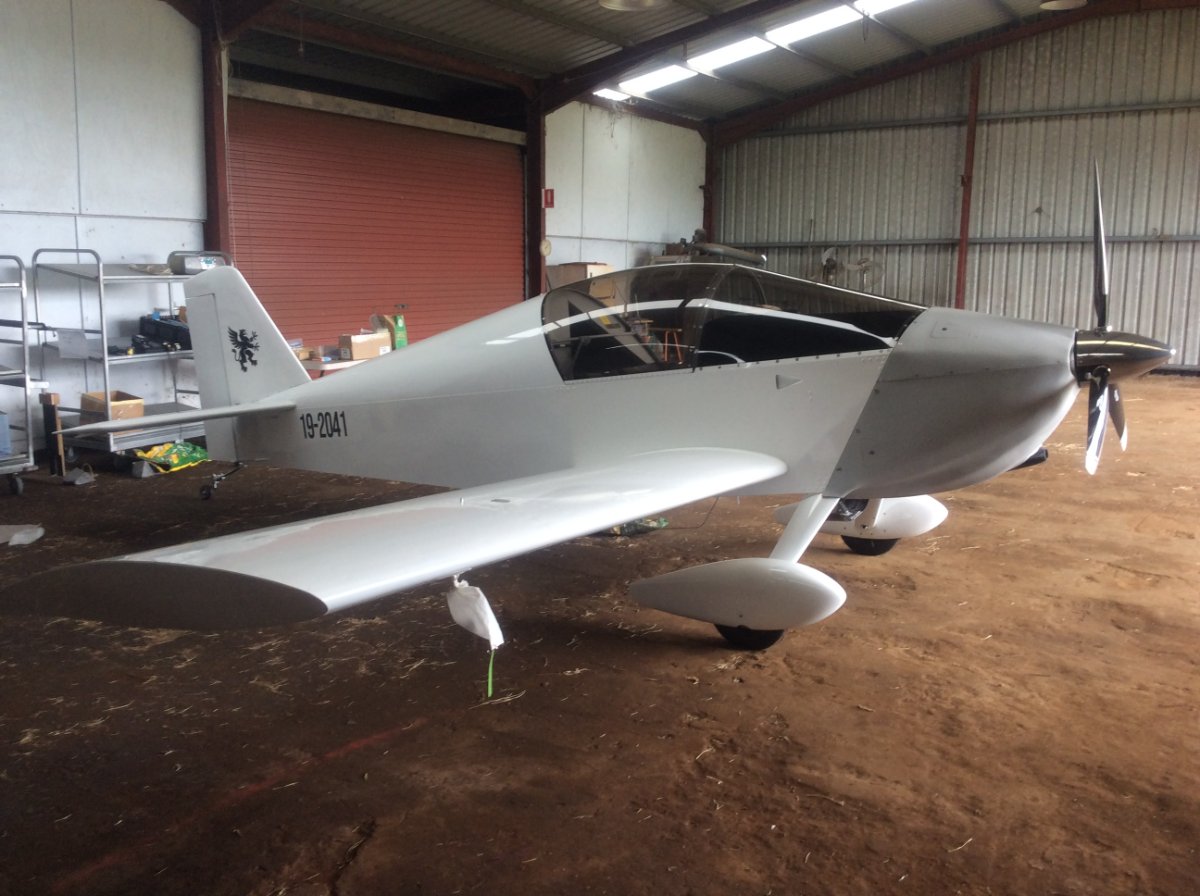
My Sonex Legacy(A) was built from plans. to an extraordinarily standards. Unfortunately for the origional builder, ill health prevented him finishing it. My Son & I have finished the project(12 months ) and in the process come to realise that most (but not all) of the original builders work is close to perfect. As for the panel lay out - it works & works well, considering the "real estate" available. The choke is a per most US certified aircraft, they do not stay closed and will not hold a position. The choke pegs will be my prefers way of using that system for the foreseeable future (my Son may not use them). As for the ATEC aircraft I sell - the paneal area is very much larger than the Sonex (I would guess x 3) this and its shape allows for a more ergonomic lay out of controls & instruments - we have worked with what we have, others might do thins differently, it works well and at this stage we are happy with it.
I flew my Sonex for the first time this morning - bit rusty - didn't bend anything but will have to do a lot better.
-
2
-
 3
3
-
-
IBob - I second csotthendry and would go one further - it is false economy to persist with a weak battery. The reduced cranking amps (even if you do get the engine started) overheats the starter motor and where fitted will shorten the life of a spragg clutch. In Rotax the engine should spring to life within 12 -revolutions of the prop. I only ever give a battery one chance, charge over night, if it gets weak again its replaced.
-
1
-
 1
1
-
-
I spent much of my youth in a country where pink skinned terrorist killed each other and innocent bystanders, on a weekly basis and exported their activates to at least one, if not two other countries.
Pigmentation has nothing to do with terrorism - just ask Mr Putin.
-
3
-
-
"What if one slips off, or out of your hand, particularly in flight?" - , slightly odd comment, - the choke is not used in flighty (or at least I have never done so) so a your concern is moot.
Rotax 912 ULS starts easily on full choke a (which includes a slightly elevated engine speed) however it is desirable to reduce to about 1/2 choke within a few seconds (the engine note will guide the pilot). There is then a (only) slightly longer few second and the reaming choke can be opened.
The choke actuating cable (it has Siamese ends for the twin carburettors)) is a certified unit (not as per my last aircrafts adaptation from a motorcycle). The carburettor return (open) springs are quite strong so the "button" will literally snap back into the open (in) position if not held in place.
I reperched alternative Siamese choke actuators and only found one (in the US) that had any sort of stay closed ability - not in production at the time.
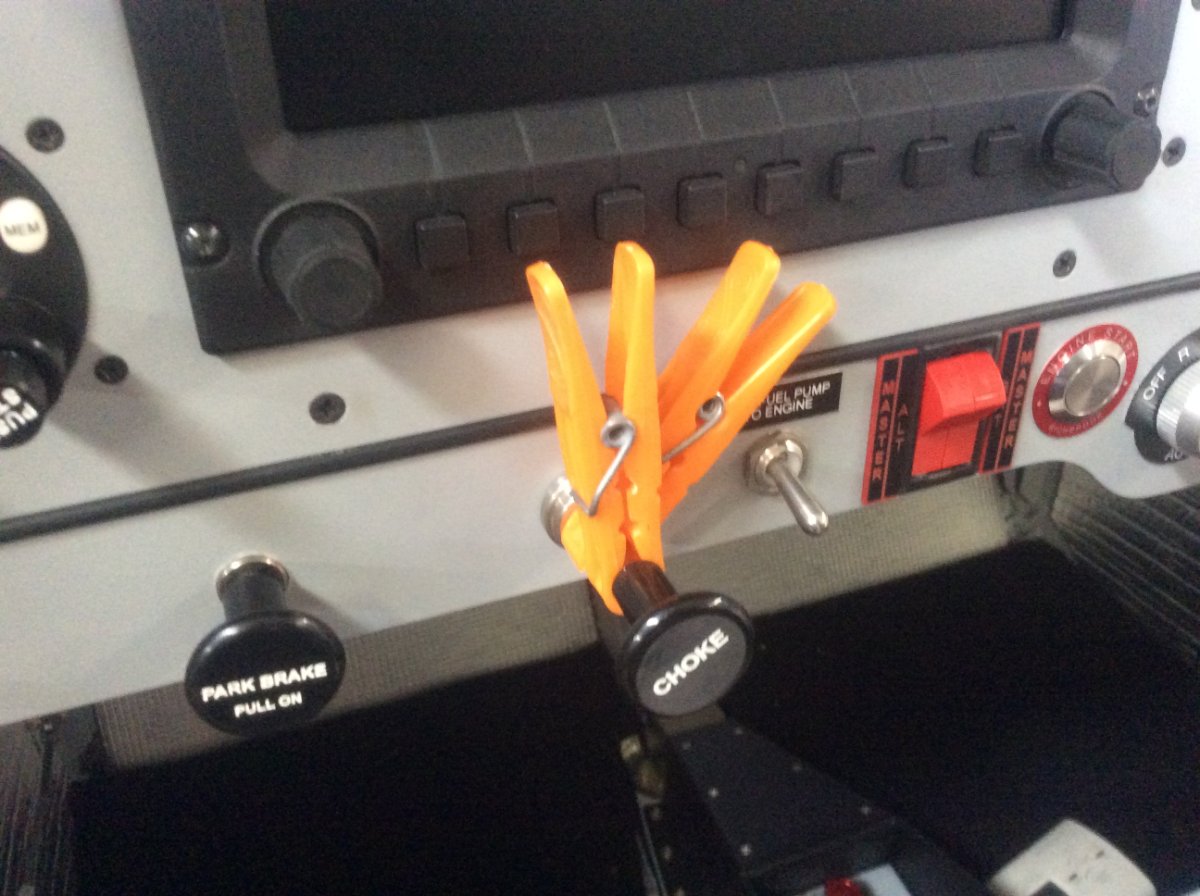
The two pegs fit perfectly on the choke button shaft giving full rich & increased RPM for start up and then with the removal of one 1/2 open for on going engine running again engine note will guide the pilot for removal of last peg. They are easily & safely stowed for flight.
Of course the pegs need not be used but then one hand is fully occupied for the short start period leaving the other to perform such tasks as the pilot may require - having both hands free makes a significant & welcome improvement. It is far easier to know with certainty that the choke is fully closed (without having to have your hand there) - start, listen for the engine note (smooth out) change, remove one peg (& stow) leaving partial choke while monitoring/reacting too RPM, oil pressure, EGT rise, listening out/responding, etc etc. The last peg can be removed & stowed without hast a little while after initial start.
The pegs also give a high visibility indication of choke position - a friction or 1/4 turn locking, devise may not be quite so obvious, resulting in reduced engine power and elevated fuel consumption
For this person, multi tasking is possible, despite my masculine handy cap but any little aid to reduce the burden is welcome.
-
1
-
-
2 hours ago, Blueadventures said:
Agree, needs rearrangement. Pegs stupid. I would have had the start button and enricher (Choke) closer, from the getgo. Moving the Alt / Battery switch unit will also allow them to be closer.
Thank you for your kind words - Its easy to be critical but in the end the "clever" pilot works with what he has - pegs, in this instance are cost effective, light weight, do not require reengineering/wiring and easy to use.
-
1
-
-
On 02/12/2022 at 9:31 PM, walrus said:
Skip, I say again, the ASIC is part of a living, ongoing, counter terror strategy. That is why it requires updating every two years. It’s not about 9/11 or yesterdays threats. it’s for the next one, whatever and whenever that may be. It’s superfluous now but one day it may be your only way of entering an airport. This much was indicated. I know nothing else about counter terror.
So if "ASIC is part of a living, ongoing, counter terror strategy" and I have no doubt that it is - it just happens to be a failed strategy, for all the aforementioned reasons, why then doe it not apply to non RPT airfields.
I spent the most part of this day, at a very busy, non ASIC, airfield, within spitting distance of Sydney, that had a plethora of aircraft, from hot air balloons, gliders, fixed wing single seat experimental, jet trainers, twine turbine (12 seats?) Blackhawk choppers and others not known to me. Not a security guard in site and the public (there in droves looking for " joy" flights) were all very well behaved - where are all the terrorists lone long time passing ? (
)
-
I fitted my last aircraft with a nifty motorcycle choke that had a friction nob so that I could lock it full closed, thus freeing my hands to do other things in the cockpit while I started the engine.
My new aircraft comes with a genuine aircraft choke, that must be held in the full closed position for starting (no friction devise). I find this to be very inconvenient. A third or even forth hand, would be a great help. In leu of additional hands ,this is what I have come up with:
Crude, simple, efficient, cost effective and allows for half choke very soon after start

-
2
-
-
58 minutes ago, old man emu said:
Question from one who knows nothing about radio transmission.
Both sets of wires seem to be attached simply to metal straps, which I assume form the antenna ground planes. The strips seem to be glued to the body. If a large area sheet of metal replaced the thin strips, would that improve the trans-ception capabilities of an aerial? On the converse, would a large ground plane require some mans of screening it from the aircraft's electrical signal (engine ignition system, electronics etc)
Glen will have the technical answer - mine is: ground planes can be made of any good conductive material (metal). Metal aircraft (& carbon fiber) make excellent ground planes. Composites/wood must have constructed/fabricated ground planes, these are usually made of thin metal. The ones shown are copper ribbon . I have used builders aluminium flashing to good effect. A flat symmetrical plate (or cross) with the antenna in the centre is the best. Flexible material can be molded & glued to the inside of the fuselage. I have forgotten the formula for the optimum size, this is often compromised by the available space
-
1
-
-
The UHF antenna probably doesn't have much of a ground plain , if any.
In a composite or wood aircraft, the VHF (not the dipole) antenna should have a significant ground plain - fit one it will leave the dipole in the shade for both transmit & receive..
-
As for Static RPM - I followed the Rotax recommendations (5200 rpm @ WOT), for my last air craft, fitted with a ground adjustable prop.
This gave very short ground role and great climb. The climb RPM @WOT must be managed to prevent overspeed (yes the engine speed increase with the aircraft speed) by using climb angle - lower the nose and RPM rises, raise and it slows.
-
9 minutes ago, old man emu said:
Is short field take-off technique taught nowadays?
I would hope that all pilots understand the techniques of STOL. The landing part may just save their life one day. Only practice practice will achieve a credible performance for your aircraft.
-
2
-
-
2 hours ago, turboplanner said:
You're only telling, us, the converted Skippy.
I am a financial member of RAAus - asides from expecting various practical aircraft/pilot services, I also expect this organisation to represent its members to the powers that be ie our champion/voice when the need arises. I am unaware of RAAus having any on going position/action on this matter, despite the majority of its members wishing that they would do so.
RAAus uses the magazine Sport Pilot as one of its main communication mediums - in recent times we have had two, what I would consider, ASIC promotional articles. Both very poorly articulated, the last (referred to above) almost gave the impression that the author, Dr Luke Howie, was dragooned into writing it, such was the poverty of his argument.
I have expressed my surprise and objection to Sport Pilot taking, what I see as, a pro ASIC position - seemed to fall on deaf ears.
To give credit where due - Sport Pilot, Issue 102, the Editor, Nickolas Heath, "Editors Welcome", Page 3, did make a rather light weight, fence sitting, possibly negative comment (reading between... as they say) on ASIC
-
2
-
-
2 hours ago, Carbon Canary said:
I'm no fan of the ASIC card, but I get the need to manage the number of people that can be airside at an RPT airport to those with a genuine need. If someone has an evil intent, I'm sure they could still find a way to get airside, ASIC card or not. The entry gate codes are usually readily known for starters.
ASIC cards are just another (expensive) form of ID that are a pain to renew. I use my face to open my iPad and I don't need an ASIC card for it. I came through passport control at Sydney airport about a month ago and just looked at a camera. I wonder if that's where we are headed ?
George Orwell was right.
Before Sept 11
The ground staff (& occasionally crew) would keep the public on the terminal side of the fence and shepherd the passengers to/from the aircraft.
Unfamiliar faces around hangers, picnicking on the runway threshold, etc would be challenged by maintenance/ local pilots/engineers and the like.
After Sept 11
What has changed ?
Nothing other than having to go through the charade and expense of acquiring an ASIC and airfield owners having to put up extra fencing (may not go very far) with a security (ha!) gate- its a complete shame.
-
1
-
1
-
-
Turboplanner -
I have no recollection of "terrorist activities where people simply walked on to an airfield started up light aircraft and went on their mission to crash the aircraft on a city targe" . If this did happen, there are better ways to combater such behaviour eg try having an ignition key in each aircraft and or locking the cockpit - we do it for car why not small aircraft (my last & my current both have this simple logical feature)
As I see it, the majority of pilots in the small aircraft fraternity, have consistently voiced our opposition to the imposition of ASIC on us, where it relates to minor airports around the country. These pilots have not been heard no have the airport operators who have had considerable extra expense for no discernible benefit.
-
2
-
-
5 minutes ago, walrus said:
ASIC with its two year horizon is necessary. It’s been explained that it’s not for “now’’ but ‘’when “. Today it’s superfluous tomorrow maybe not - and then it will be too late to vet and issue.
I beg to differ - there is no rational argument, that has been put forward, for the continuation of ASIC, as applied to private/sport/recreation level pilots using minor regional airports.
Even the Sport Pilot (issue 102) article "Red cards in a post - 9/11 world" page 98 by Dr Luke Howie, is laughable in its contradictions and unenthusiastic endorsement of ASIC.
Its implementation was a kneejerk over reaction to Sept 11. Its continuation is politically less risky, than to take a stand and rescind it ie there are so few votes from aviation, it is easier to ignore our complaint, than to do something about it.
While I applauded well informed/researched plans for the future, we should never be forced to adopt the convenient paranoia of the self serving politicians - fear (of what might happen) has always been a political tool, used in this case as an excuse not to rescind this ridiculous half baked ASIC.
-
 2
2
-
-
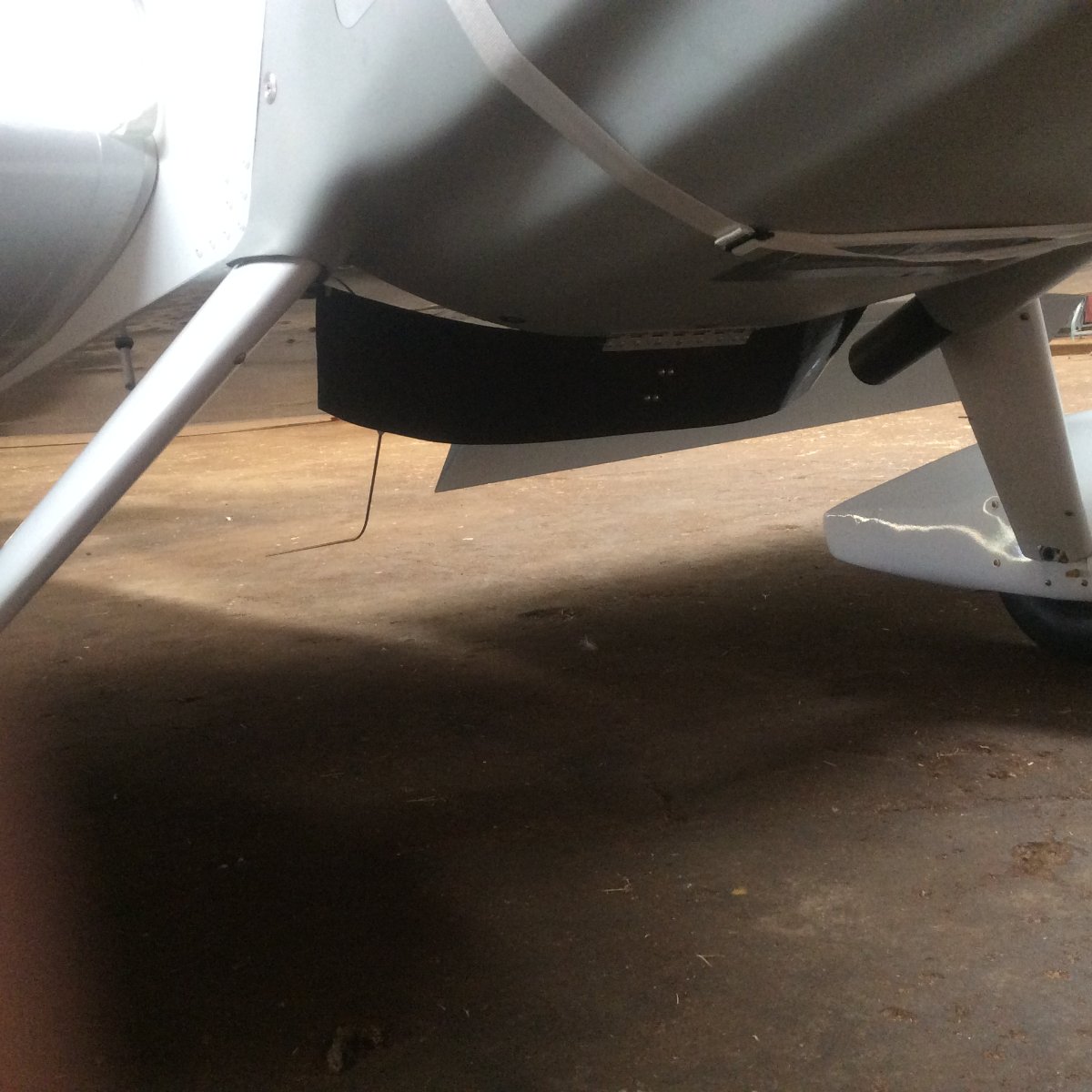
Better pis of cowl flap - painting will be done after successful test flying.
-
2
-
-
27 minutes ago, kgwilson said:
Norma Cobra hose clamps are the best IMO. They are made specifically for each size hose from 8mm to 38mm and are very low profile so don't catch on anything, German made SS and there are special pliers for clamping and unclamping though you can use ordinary pliers. I have them on all fuel fittings in my aircraft.
Hi Kgwilson - I have absolutely no doubt that they "are the best" BUT as usual I have a divergent opinion COST/EFFECTIVNESS - all my clamps (for whatever application ) are reusable, can be applied (at home or "in the field") using existing tools, from most pilots basic (or advanced) tool kit, with just a little skill & attention to detail (know how).
I go to considerable trouble to find the right clamp for each "job", usually purchase by the box, as this is most often the best price /unit and leaves me with a few spares (just in case).
The small spring band hose clamps , suitable for low pressure fuel/air/oil, that I was looking for & now found ( AASpray www.airless.com.au) cost me $23.55 /24 delivered. I will only use 12 (on my pneumatic pitot/static/AofA system), the remaining are spares in the unlikely event that I will need to replace 1 or 2, way way "down the track". The pneumatic system, referred to, will only experience pressures at or slightly above, ambient. The push on fittings are fairly secure & seal in their own right, so the spring clamps just provide that little bit of reassuring extra security/ 360 sealing pressure.
-
1
-
-
6 hours ago, RFguy said:
I've had the jabiru ice up on the ground at high idle on a foggy cold morning. ...
Had the same problem with a C172 at Condobolin - she coughed & spluttered for a while, as I coaxed the engine to warm up & deliver carb heat - then all good.
-
7 hours ago, spenaroo said:
8mm is equal to 5/16 its the most common size fuel line used on motorcycles
should be able to walk into a Bursons to get them.
though these days everyone has swapped to the crimp style
I don't really work in/recognise the devils measurements that should have been scrapped a trillion years ago.
My local Bursons don't have them (offered screw type).
Crimps are for too sophisticated and are not reusable or serviceable in the" field". Nor do they give constant pressure, over time, like the spring type.
-
1
-
-
1 hour ago, Bruce Tuncks said:
I like the idea of a cowl-flap skippy. I hope it works and we get to see a diagram of what you did.
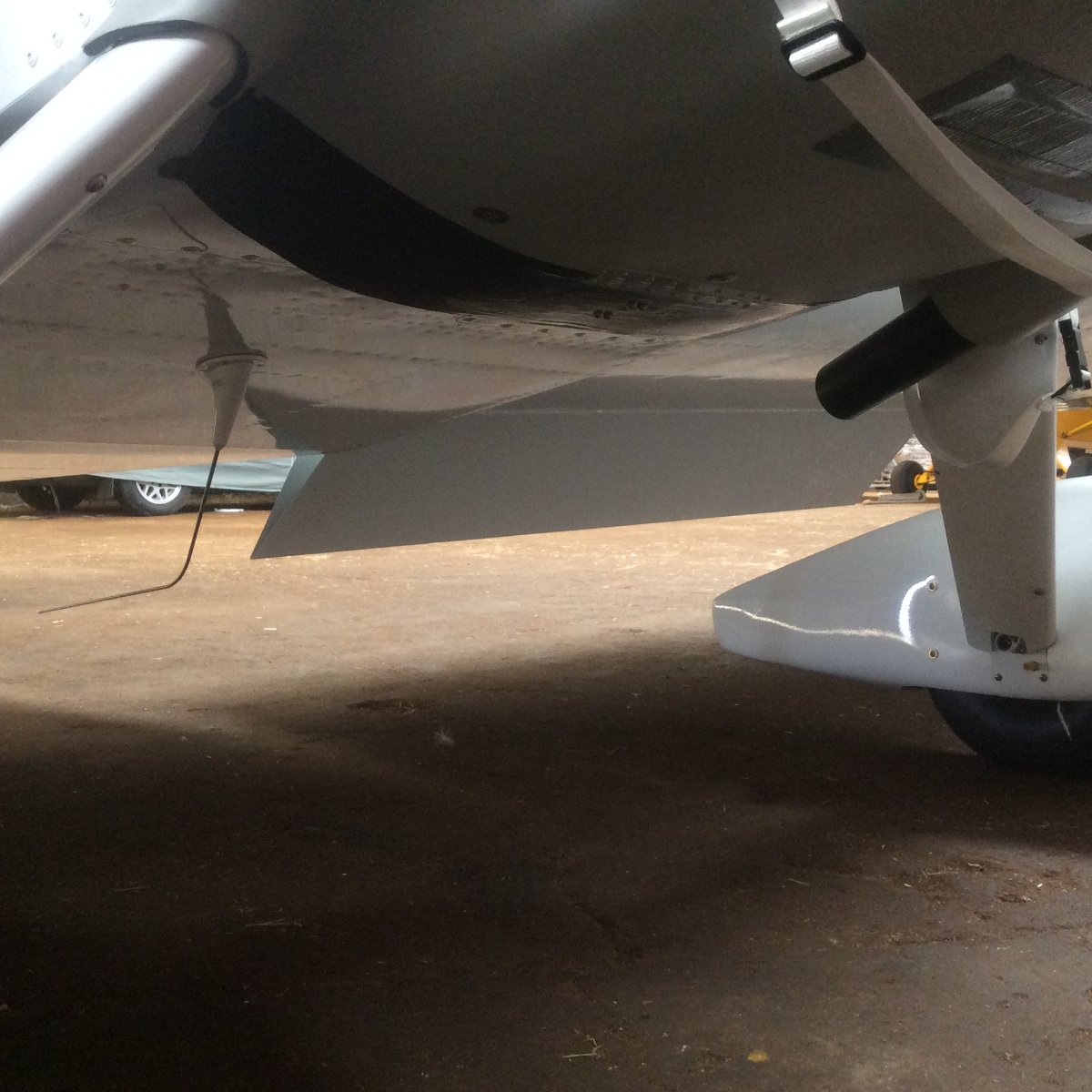
This is the prototype (fixed) cowl flap and the addition of an oil cooler snout - this set up brought temps right down:
You can just see the latest , retractable, cowl flap in this shot - will have to take a better view and sent in the next day or so.
-
4
-
-
2 hours ago, BrendAn said:
Carb heat on a rotax ?. Mine doesn't have it and the tecnam I have been training in doesn't either.
Due to the locating of the Rotax 9 carburettors/inlet air, above and to the rear of the engine, carburettor icing is (in many installations) a low risk due to ingesting warm air from the engine bay.
Turbo charged varient have even less risk of carby icing as inlet air heated by turbo .
Fuel injected 9's don't have the venturi/fuel vapour condition present in a carburettor, so are also resistant to icing.
BUT
If your instillation has ambient (cold) air ducted directly to the carby's the risk of icing increases, so in these installations carby heat is often designed in.
-
2
-
-
Yes I ave seen the ebay stuff - even tried to get the ID from some suppliers - like pulling teeth.
Why is it so hard to get conformation of a specification (ID of resting band)? Even what I would call real stores (street address) seem to have issues with this. Check out SAAS their 5mm is really 10 mm, their 4 mm is about 6.5 mm and their 3 mm about 5mm - go figure!
Choke Management
in Engines and Props
Posted
Sorry Thruster - When I pull the choke button out on the panel this closes the throat of the carburettor by turning a butterfly valve - the converse is also true.
The method (pull/push/lever/button) of closing/opening the choke may differ with the aircraft type but the action within the carburettor remains the same - so for consistency & accuracy, I go with the description of what is happening within the choke (not what is happening in the cockpit) choke closed/ choke open