
Bosi72
-
Posts
407 -
Joined
-
Last visited
-
Days Won
1
Content Type
Profiles
Forums
Gallery
Downloads
Blogs
Events
Store
Aircraft
Resources
Tutorials
Articles
Classifieds
Movies
Books
Community Map
Quizzes
Videos Directory
Everything posted by Bosi72
-
Although I don't recommend, I think it is doable. People always struggle when transitioning onto a different aircraft, regardless of experience. Most stories you hear when 10's of thousands hours airline pilots transitioning onto gliders or ultralights, struggling to land, fly, etc, however the more is true when single engine pilots transition onto twins or jets. Twins are lots of aeroplanes, requiring you to be >ahead< of aircraft, at least 20-30sec, a skill which deteriorates with age regardless of experience. They also require specific knowledge about systems, emergencies, etc.. and again with age it takes probably double the time to learn. If $ is not an issue, you could buy yourself a twin, find an instructor/school willing to teach, then keep flying your aircraft daily in all weather until it becomes muscle memory. Expect to solo after ~100+ hours, or whenever the instructor sign you off. Also check with insurance, they may not insure if you don't have certain number of hours. Again, I don't recommend this path for reasons mentioned above, however with lots of $ and your persistence, anything is doable.
-
Crosswind landing debate • Redux (Go the crabs)
Bosi72 replied to Garfly's topic in AUS/NZ General Discussion
Good article but many comments are better than the article. My instructors taught me not to fight the wind all way on final, nor during climb immediately after liftoff. Wings level and crab into the wind. However everyone touches ground with wing down, since damage may occur if land crabed. The question is when to do transition from crab to wing down. Transition just before threshold works for me. Also it is better to takeoff/land when the wind is coming from the right (clockwise props) due to all tendencies pushing nose to the left (p factor, slipstream, torque). -
A Co-incidence of Date of Construction
Bosi72 replied to poteroo's topic in Aircraft Incidents and Accidents
Discussing about vintage aircrafts, I learned to fly in 172N, but now mostly flying 61 years old 172A with conti o300c. The difference is noticeable, much better forward visibility, lighter, easier on controls, lower 35kt Vso, smooth engine, less stress on engine, slightly lower fuel consumption. People say 5 cylinders can take you to the aerodrome vs. 3 (haven't experienced any), apparently better aluminium and better corrosion protection (although with non-environment friendly chemicals).. .. On the other side no rear windows, 10-15kt slower, lower usable weight, smaller fuel tanks 140lit vs 190lit hence lower endurance 4hrs vs 5 hrs, ageing parts, more expensive overhaul, prone to fuel fauling and carb icing, but always leaning on ground and carby heat on whenever rpm is below green.. I can't think of any other "disadvantages".. I am probably subjective when I say that joy is higher when I fly older aircraft.. -
Future Plans for Melbourne - Plan Melbourne 2017-2050
Bosi72 replied to turboplanner's topic in AUS/NZ General Discussion
Regardless of politics, something (and more) has to be done. From my memory, half of Melbourne population lives on either side of Springvale Road, which is ~15km East from the city. Melbourne is (un)fortunately city-centric, every freeway, every train line goes into the city. That puts a lot of pressure on infrastructure causing everyday's congestions. Politics is obviously playing a key role in planning as for example two big North-South highways (Eastlink and Sth Gippsland Hwy) don't have east-bound exits towards Traralgon at intersections with Monash Fwy?! I think the long term solution is to "spread" the city, to build 3, 4 CBDs, eg. each in Ringwood, Dandenong, Frankston (with ~10 skyscrapers) similar to what they are doing in Box Hill. Then connect cbd's with the outer train loop. An airport on East side close to new cbd's is inevitable.. -
Future Plans for Melbourne - Plan Melbourne 2017-2050
Bosi72 replied to turboplanner's topic in AUS/NZ General Discussion
YKWR will also affect Tooradin, Tyabb, Drouin. The class C will be miles everywhere with narrow vfr LL1500 corridors. No more close by Training areas, nor Aerobatics for all schools including Moorabbin unless moved further south over Phillip island or north over Lilydale, but there will be lots of fuel burning to get to get to closest class G where LL3500. On the other side the benefits will be multiple for economy, jobs, passengers, but probably not so for general aviation. I used to be supporter of new airport on the eastern side, but not sure if I am anymore (yeah selfish:). Probably time to think about own farm with airstrip or airpark. -
Can hobby pilots takeoff from Home in US or Canada?
Bosi72 replied to RonKTom's topic in Just Landed - Welcome
It also depends if your land is within or too close to controlled airpace (e.g. near big airport).. I would be contacting FAA and your council/municipality/county, then make a good relationship with your neighbours.. Also find the flight school(s) close to your property and discuss. Sure they would like to know if there is another air strip close by to land in case of emergency. Cheers -
Similar situation here 2-3 yrs ago.. Losing weight was the best thing I've ever done to my body. Sugars and blood pressure dropped naturally and I was granted a Class 2. There were no shortcuts, and it was very hard. You will need the same "power of will" during your flight training. Is it doable? Of course it is! Good luck!
-
The hit and miss art of CTAF separation.
Bosi72 replied to Garfly's topic in AUS/NZ General Discussion
I've never seen/heard someone doing 360 on the base to make a separation?! Slow down or extend leg in worst case.. I have been in a situation when turning xwind whilst another aircraft joining xwind. Quick radio call clarified situation but it wasn't pleasant situation to be in.. Glad to hear no fatalities.. adsb is not much relevant in the circuits imo.. -
Maybe this could help. https://www.bunnings.com.au/deta-earth-rod_p4430624
-
Don't "cut the power" (extend airbrakes) above the threshold when landing ! Common mistake when transitioning from powered aircrafts to gliders.
-
Several years ago we went on a Cruise from Sydney to Caledonia, plus 2 or 3 islands. On the way to one of the islands, the Captain announced change of plans. The authorities on scheduled island asked for more $, then the Captain decided to take 5000 tourists on another island which didn't charge extra $$. We still had a good fun on"unplanned" island. Unfortunately we don't have a Captain in our sport/hobby, however I believe some other council may see this as an opportunity?
-
Base>Final LOC • A theory (Air Facts Journal, July 2021)
Bosi72 replied to Garfly's topic in AUS/NZ General Discussion
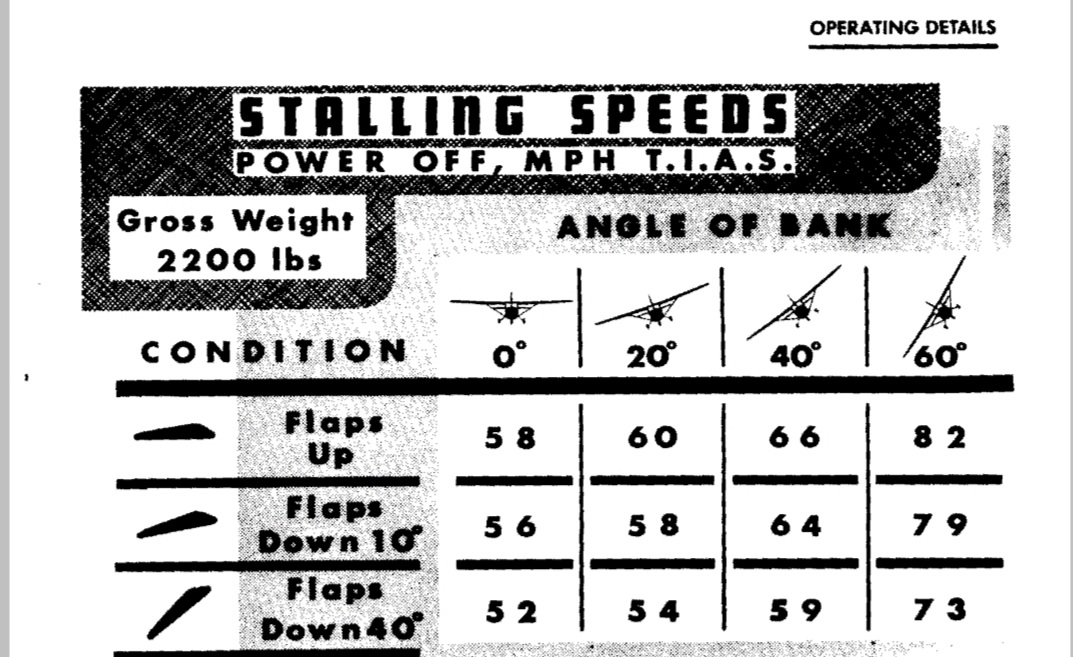
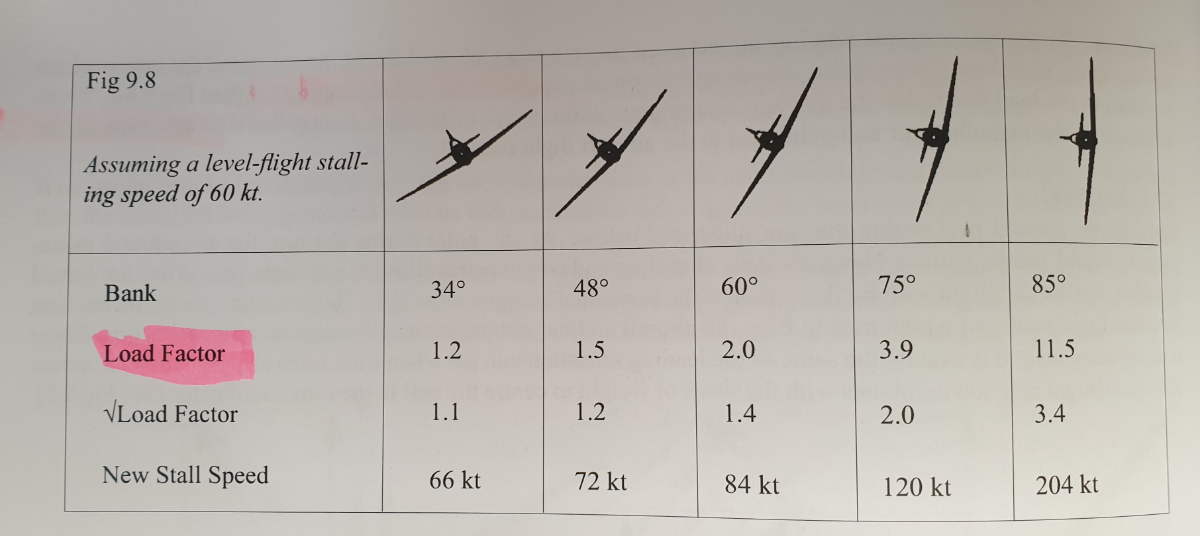
If your aircraft's POH doesn't have a table like this: Then use the table below (from Bob Tait RPL/CPL books) to calculate new stalling speeds : For example in Foxbat A22LS, multiply level-flight stalling speed with the square root of Load Factor. AoB 34deg 48deg 60deg 75deg 85deg Vs = 42kts 47kts 51kt 59kts 84kts 143kts Vso = 32kts 36kts 39kts 45kts 64kts 109kts Yes, there is much more involved than this (weight, climbing, descending...). Regardless, for a student learning to fly, these numbers will be sufficient to know. Add 5kts buffer and you'll be safe.
-
Base>Final LOC • A theory (Air Facts Journal, July 2021)
Bosi72 replied to Garfly's topic in AUS/NZ General Discussion
Kasper, I am not arguing with you. I am sharing my experiences when flying conventional aircrafts. Assuming you are refering to ultralight trikes (as per image in your avatar), unfortunately I don't have any experiences with such aircrafts neither I know any statistics of base to final stalls in trikes. My comments are applicable to conventional aircrafts which was from the original post. However, let me be proactive, maybe a "yaw string" normally used in gliders could be used in trikes where the engine pusher is at the back ? -
Base>Final LOC • A theory (Air Facts Journal, July 2021)
Bosi72 replied to Garfly's topic in AUS/NZ General Discussion
There are ways to use our body to tell (usually buttocks), however it comes with experience. If installing $150 or $40 small ball indicator is the problem, then a Lunapark is probably the closest place where a person can practice and acquire those skills. https://www.aircraftspruce.com/catalog/inpages/bank_indicat.php?clickkey=5266 https://www.amazon.com.au/Sun-Company-306-R-gage-Inclinometer/dp/B003D2AVMO/ref=asc_df_B003D2AVMO/?tag=googleshopdsk-22&linkCode=df0&hvadid=341744964201&hvpos=&hvnetw=g&hvrand=3044931865966335272&hvpone=&hvptwo=&hvqmt=&hvdev=c&hvdvcmdl=&hvlocint=&hvlocphy=1000567&hvtargid=pla-526338884538&psc=1 -
Base>Final LOC • A theory (Air Facts Journal, July 2021)
Bosi72 replied to Garfly's topic in AUS/NZ General Discussion
The aircraft will stall at particular Angle of Attack, not the speed. People learning to fly need to know simple numbers and those from POH are safe when the nose is on and below horizon. It is easier to slow down an aircraft on final, than recover from spin at 500ft. -
Base>Final LOC • A theory (Air Facts Journal, July 2021)
Bosi72 replied to Garfly's topic in AUS/NZ General Discussion
Keep the ball in the centre and nose below horizon. Check stall speeds for various Angle of Banks from your POH. Don't assume instructor see everything. -
Flying to a weekend away - share your best destinations
Bosi72 replied to SGM's topic in Student Pilot & Further Learning
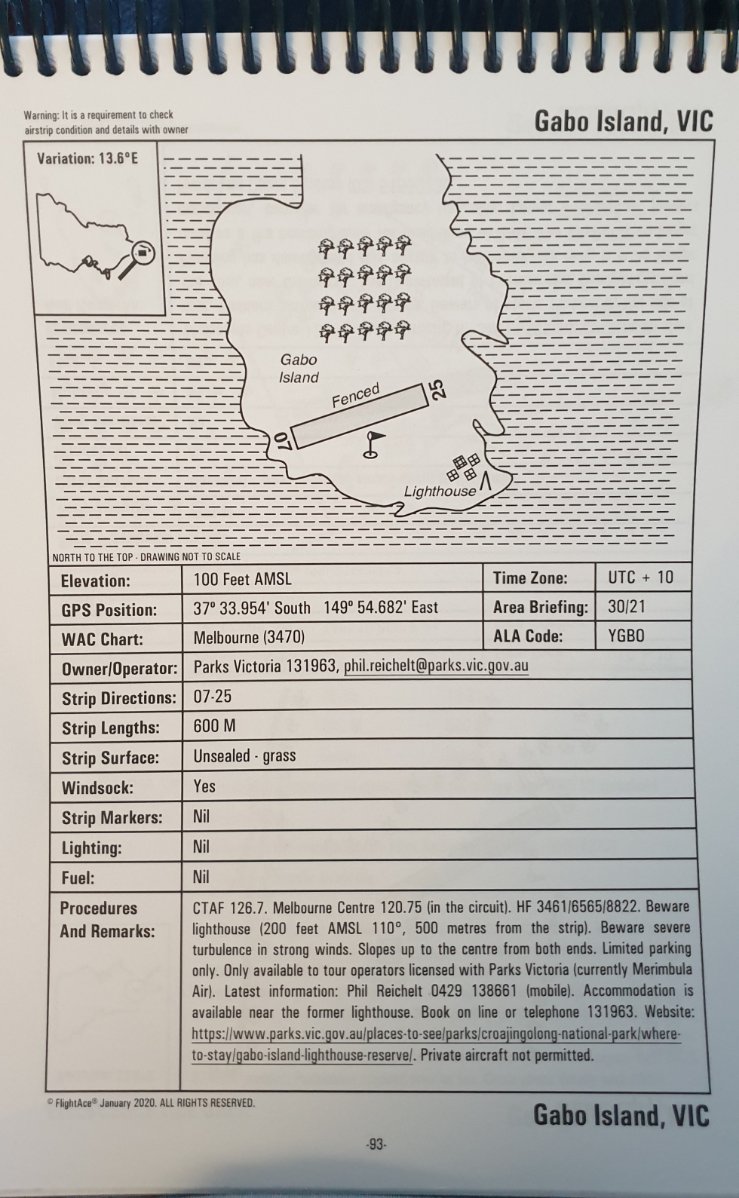
From "Victoria and Tasmania Country Strip Guide"
-
CASA - Email Aircraft Registration Coming Soon
Bosi72 replied to FlyingVizsla's topic in Governing Bodies
Looking better now.
-
CASA - Email Aircraft Registration Coming Soon
Bosi72 replied to FlyingVizsla's topic in Governing Bodies
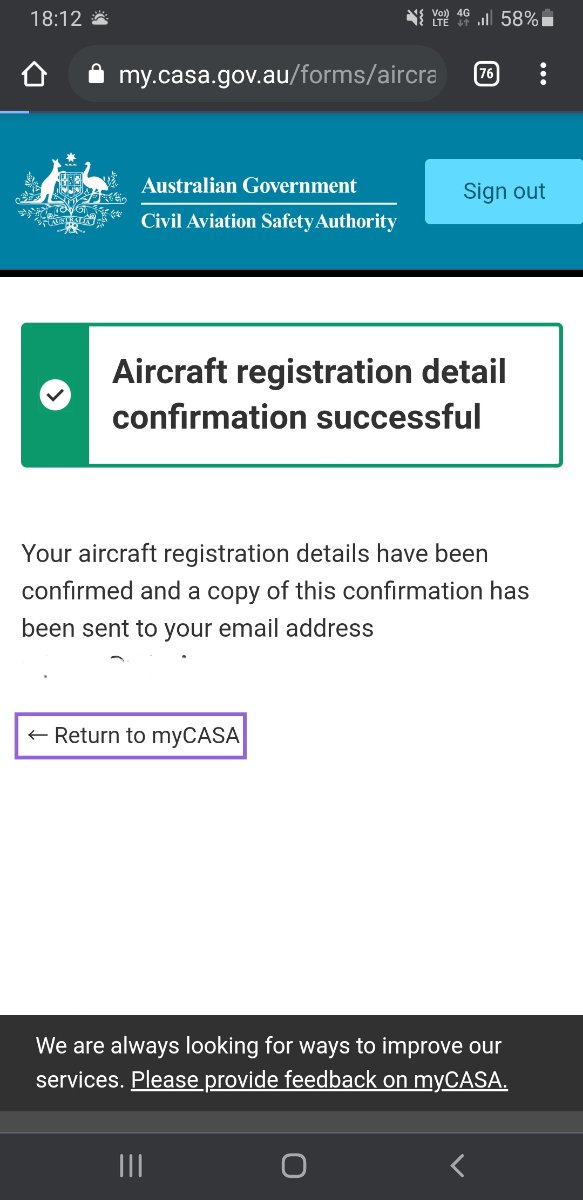
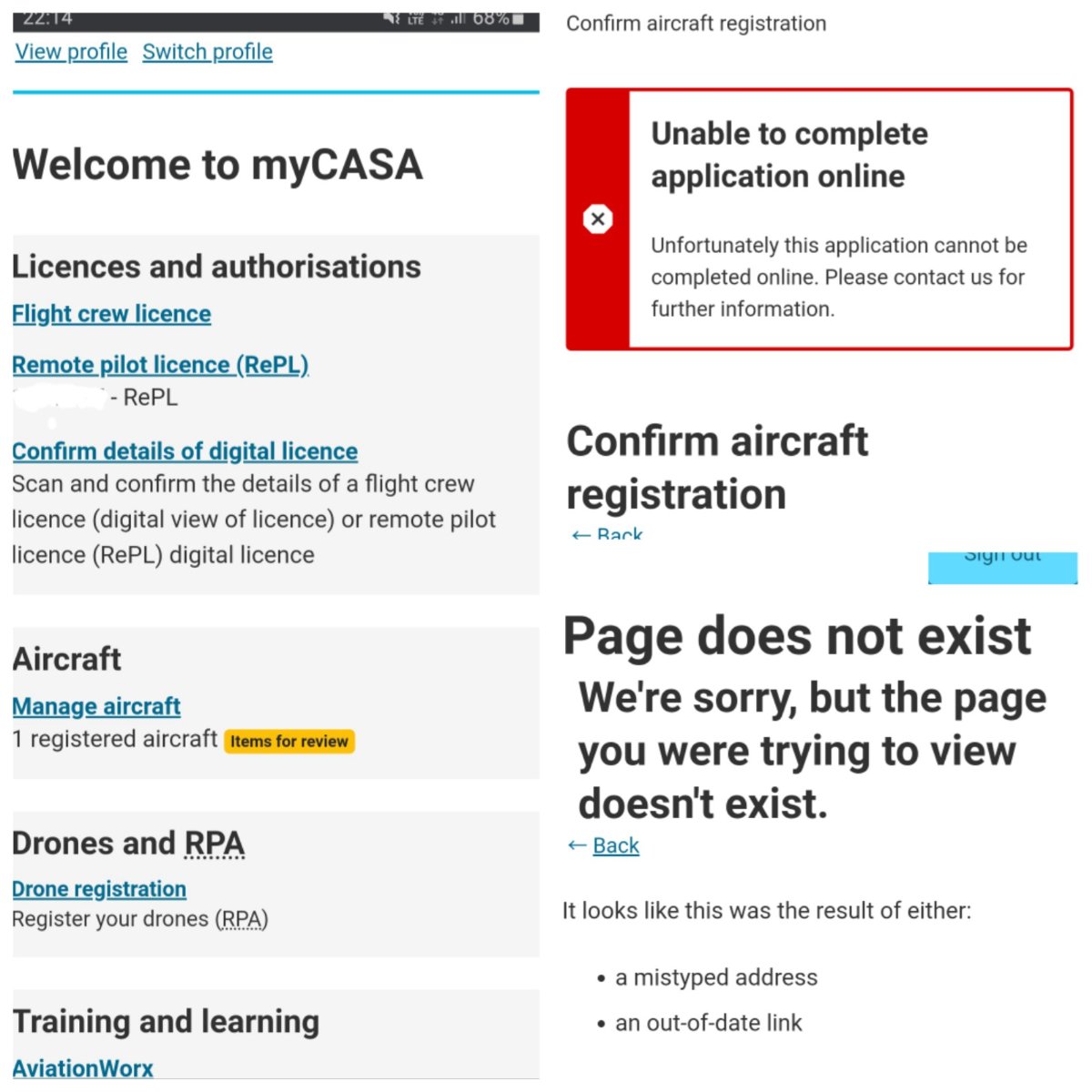
I have a yellow tag "Items for review" next to "Manage aircraft" menu in my.casa.gov.au portal. Clicked, there were 2 options: - confirm all details are correct, and - some details are correct. Nothing wrong with current data, still the message came out "unable to complete online, contact us". Clicked "Contact us" then another message popped up "Page not exist". Go figure...
-
Now how I do my flight planning
Bosi72 replied to APenNameAndThatA's topic in Student Pilot & Further Learning
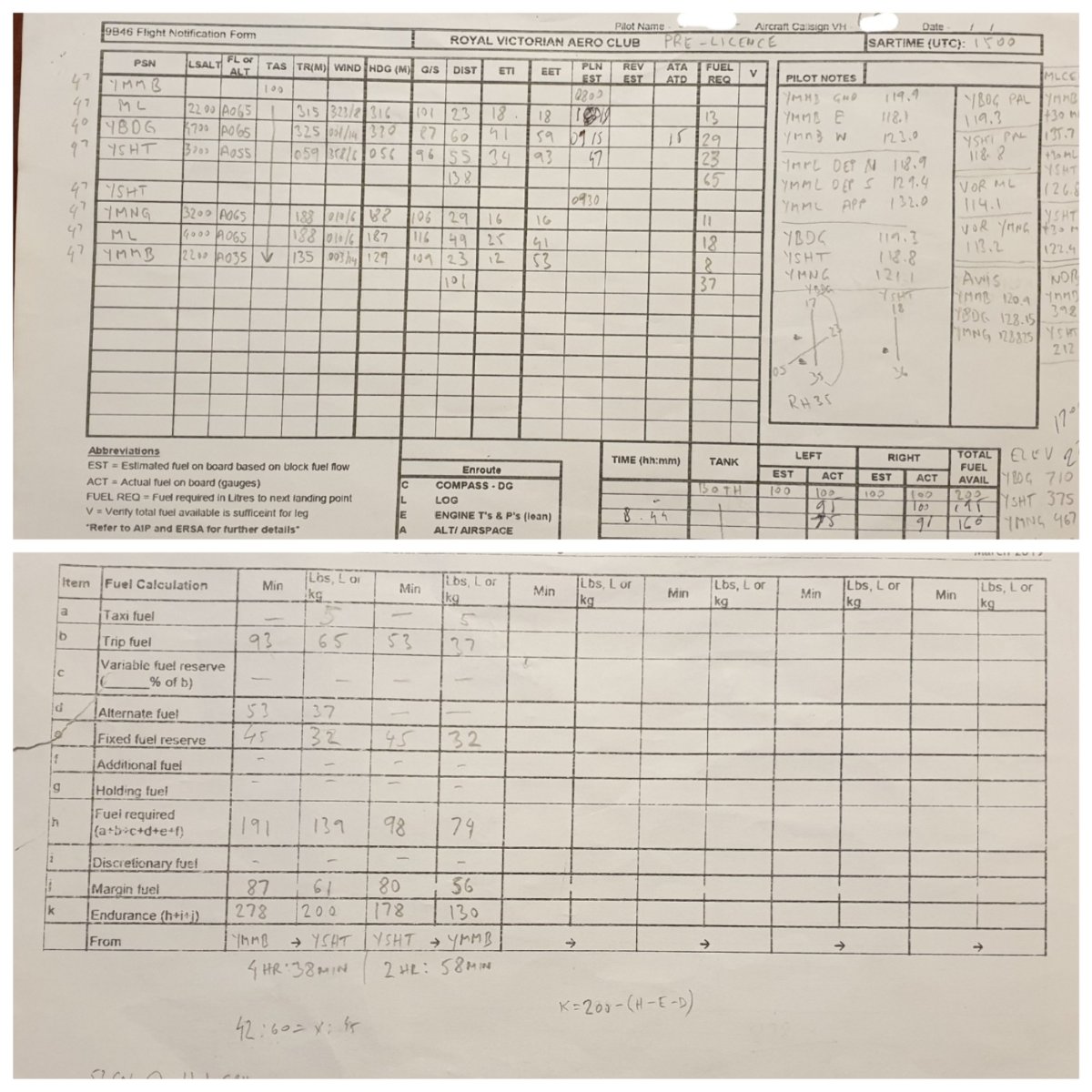
I use my School's flight plan form. Not the best in the World, but does the job and it helps when doing BFR..
-
Aircraft down at Moorabbin 22/06/2021
Bosi72 replied to planedriver's topic in Aircraft Incidents and Accidents
Thankfully it was a northerly wind. Otherwise not much options down between factories... Good news is that pilot survived. -
Don't know much about the Jabiru lights, but I installed these Led bulbs which work in dual mode, similar to some camping headlamps, i.e. press switch once - steady light, switch off then on - flashing strobe effect. No need for any electronics, straight in Led bay15s bulb replacement. https://www.ebay.com.au/itm/Dual-Mode-Constant-Strobe-LED-Replacement-Nav-Bulb-SET-Super-Bright-10-30VDC-/332637497097?_trksid=p2349624.m46890.l49286
-
Buying a plane...How flamin' hard is it?!?
Bosi72 replied to KRviator's topic in AUS/NZ General Discussion
As a seller, if I have a choice of getting $5k more but subject to this and subject to that, I would rather accept $5k less from a buyer who is happy with "sold as-is". But that's me. From personal experience as a buyer, information that LAME's daughter piloted the aircraft was sufficient insurance that aircraft is in good condition regardless of age, logbook and a fresh MR. My key question to LAME was what previous owner didn't do that he suggested to him. He said ~$8k for control cables which I offered immediately, but he said that wasn't urgent, can wait. Finally the "Contract document" was more of a receipt where owner(seller) signed that he received money for the aircraft, then we both signed the other Casa forms, and that was it. At the next MR I replaced cables. But I can understand how this can be very frustrating. Good luck, I'm sure you will find and buy the aircraft you want. -
CPL licence does not include any of instrument ratings. CPL is "very similar" as PPL (I will get bashed on this statement), however it does have additional 7 theory exams, plus ~150-200hours which allows you to do flying for money. Also CPL standards / tolerances are much more stricter than PPL. So yes, CPL gives you more knowledge and experience. However, most CPL gratuates realise the CPL licence is not much of use to them unless they are instrument rated, therefore they proceed towards the Instrument rating (IR). There are two major IR ratings, and both PPLs and CPLs can obtain either: Command Instrument Rating (CIR) and/or Private Instrument Rating (PIFR). If you are PPL+CIR you are bound by the same rules as CPL+CIR, no differences. Then, there are MECIR (multi engine), helicopter.., then there are procedures 2D, 3D, etc.. but don't get confused with that yet. However I suggest doing CPL exams regardless.
-
Good choice ! You can skip RPL and go straight to PPL: Study and pass the theory, do the Flying lessons, pass the Licence test. Alternatively you can skip everything and go straight to CPL: Study all 7 CPL books and pass the theory, do Flying lessons, pass the Licence test. IREX theory exam is separate and no prerequisite is required, but in my opinion it is the hardest exam in aviation (haven't tried ATPL yet). Books, theory, exams don't cost too much, but flying as you know does. Enjoy the journey !