

red750
-
Posts
8,261 -
Joined
-
Last visited
-
Days Won
79
Content Type
Profiles
Forums
Gallery
Downloads
Blogs
Events
Store
Aircraft
Resources
Tutorials
Articles
Classifieds
Movies
Books
Community Map
Quizzes
Videos Directory
Everything posted by red750
-
-

Belly landing at Latrobe Valley 08/11/24
red750 replied to red750's topic in Aircraft Incidents and Accidents

-
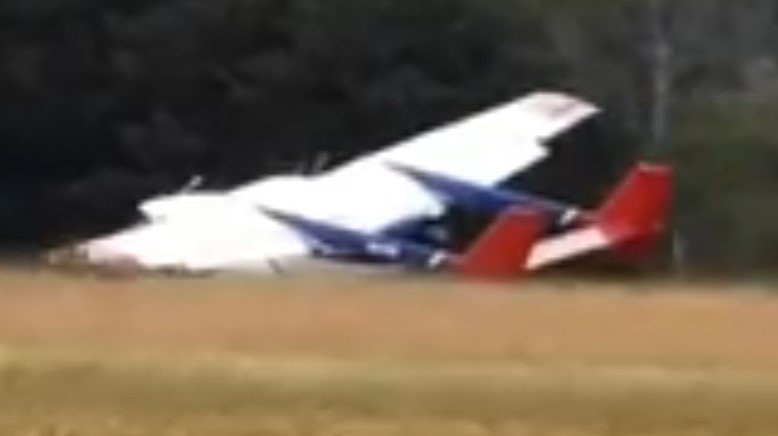
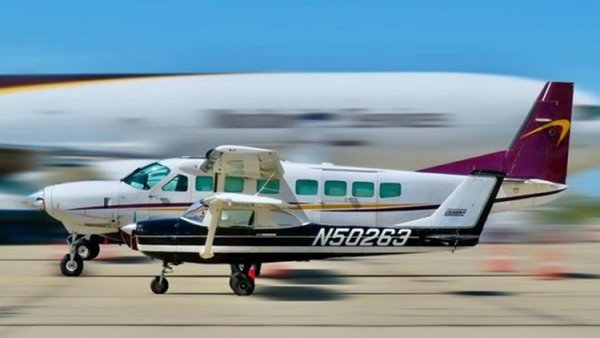
" Emergency services have responded to an incident this afternoon at Latrobe Regional Airport. A six-seater light passenger aircraft, carrying a pilot and passenger, made an emergency landing after experiencing a hydraulic failure in the landing gear. No injuries were reported. Airport operations promptly enacted the emergency response plan, and we extend our thanks to the emergency services for their quick response and support in managing the incident effectively." National Tribune. From the video on Seven News, the aircraft was a Cessna 337.
-
There's an EV thread on the other forum.
-
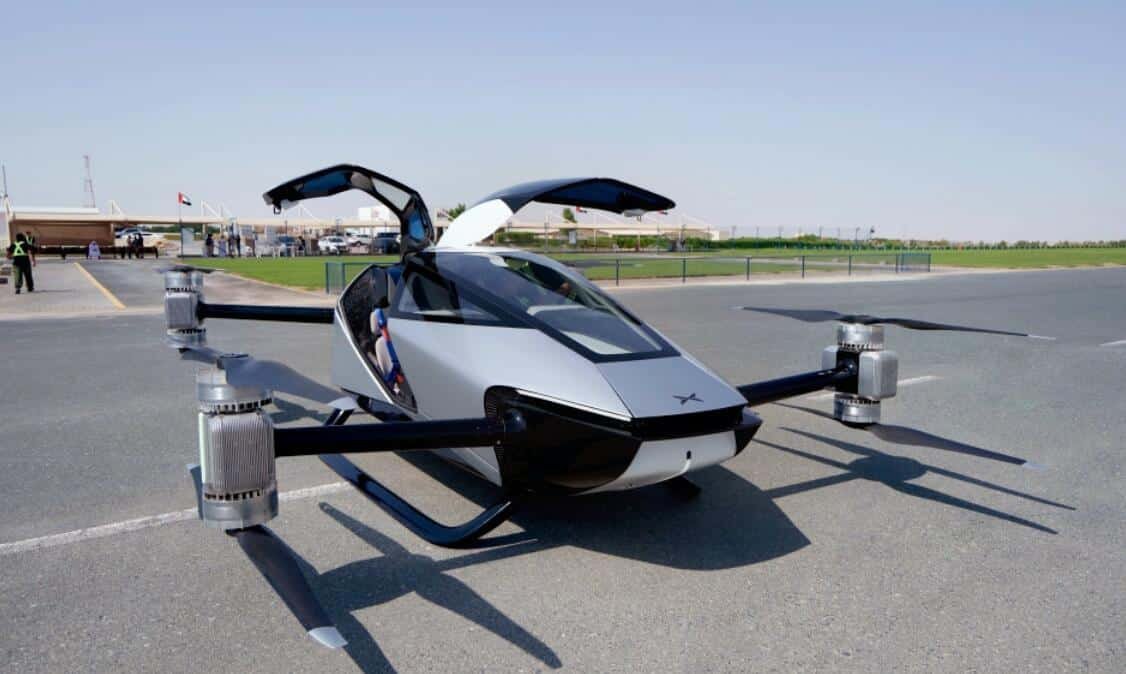
The X on the nose is the logo of the manufacturer, Xpeng.
-
Title modified as equested.
-
I saw on Sunrise that the Xpeng was on display at an EV car show in Sydney. The rep said they have already sold one in Australia, and there are 3 or 4 here already.
-
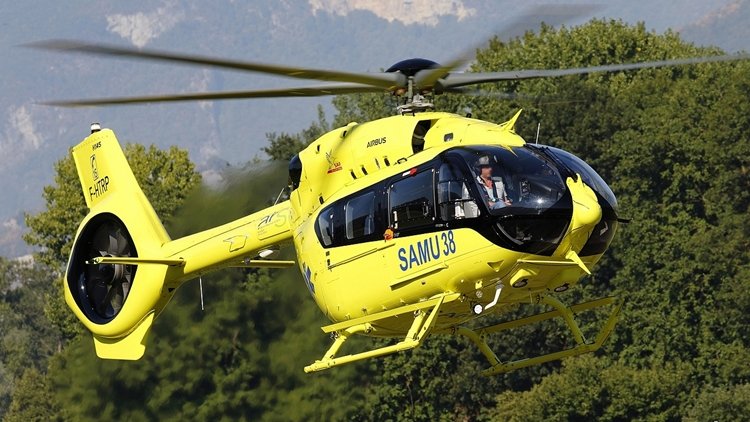 The Airbus Helicopters H145 (formerly Eurocopter EC145) is a twin-engine light utility helicopter developed and manufactured by Airbus Helicopters. Originally designated as the BK 117, the H145 is based upon the MBB/Kawasaki BK 117 C1, which became a part of the combined Eurocopter line-up in 1992 with the merger of Messerschmitt-Bölkow-Blohm's helicopter division of Daimler-Benz into Eurocopter. The helicopter was initially named EC145; an updated version, EC145 T2, was renamed H145 in 2015. The helicopter was significantly updated in the 2020s with first a fenestron replacing the traditional tail rotor, followed later by a 5-blade main rotor head. The H145 is a twin-engine aircraft and can carry up to nine passengers along with two crew, depending on customer configuration. The helicopter is marketed for passenger transport, corporate transport, emergency medical services (EMS), search and rescue, parapublic and utility roles. Military variants of the helicopter have also been produced under various designations, such as H145M or UH-72, and have been used for training, logistics, medical evacuation, reconnaissance, light attack, and troop-transport operations. Noted military users in terms of numbers include the United States which operates nearly 500 with National Guard, and Germany where it is used for SAR, Special Operations, and more. Over 1600 of the H145 family had been produced by June 2023. The EC145 features a larger cabin space than the older BK 117 C1 helicopter with internal space increased by 46 cm (18 in) in length and 13 cm (5 in) in width, increasing cabin volume by 1.0 m3 (35 cu ft) to 6.0 m3 (210 cu ft). Other improvements over the BK 117 include an increased maximum take-off weight and greater range, achieved partially by the adoption of composite rotor blades, which were derived from the smaller EC135. The EC145 has a hingeless rotor system with a monolithic titanium hub; the helicopter was originally powered by a pair of Turboméca Arriel 1E2 turboshaft engines, later aircraft are powered by the upgraded Turboméca Arriel 2E engine. A key feature of the rotorcraft is the variable rotorspeed and torque matching system (VARTOMS), derived from the BK 117, which Eurocopter has attributed as making the EC145 "the quietest helicopter in its class". For more details of development, design, operational history and 13 variants, click here.
 -
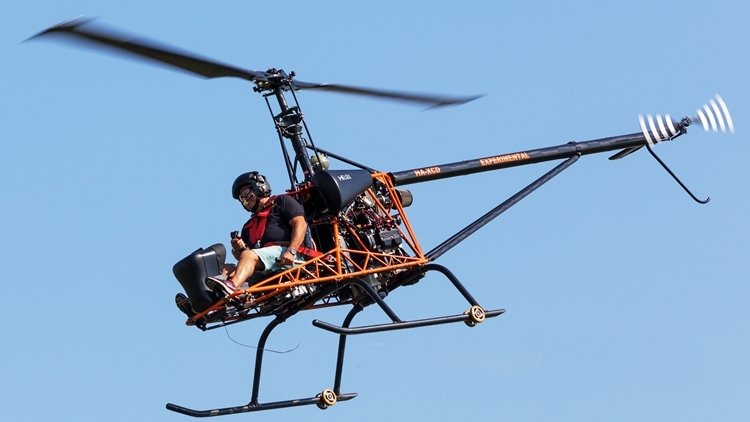 The Hungaro Copter is a Hungarian helicopter produced by Hungaro Copter Limited of Verpelét, an affiliate of the Steel Riders Limited company. The lead engineer for the design was Farkas Gábor. The aircraft is supplied as a kit for amateur construction. The aircraft was designed to comply with the European microlight aircraft rules. It features a single main rotor and tail rotor, a single-seat enclosed cockpit with a fairing, or an open cockpit without a windshield, skid landing gear and a four-cylinder, four stroke 135 hp (101 kW) Subaru EJ22 or 160 hp (119 kW) Subaru EJ25 automotive conversion engine. The six-cylinder 125 hp (93 kW) D-Motor LF39 powerplant has also been used. The aircraft fuselage is made from welded steel tubing. Its two-bladed rotor has a diameter of 7.0 m (23.0 ft). The aircraft has a typical empty weight of 300 kg (661 lb) and a gross weight of 430 kg (948 lb), giving a useful load of 130 kg (287 lb). The construction time from the supplied kit is estimated as 300 hours.
 -
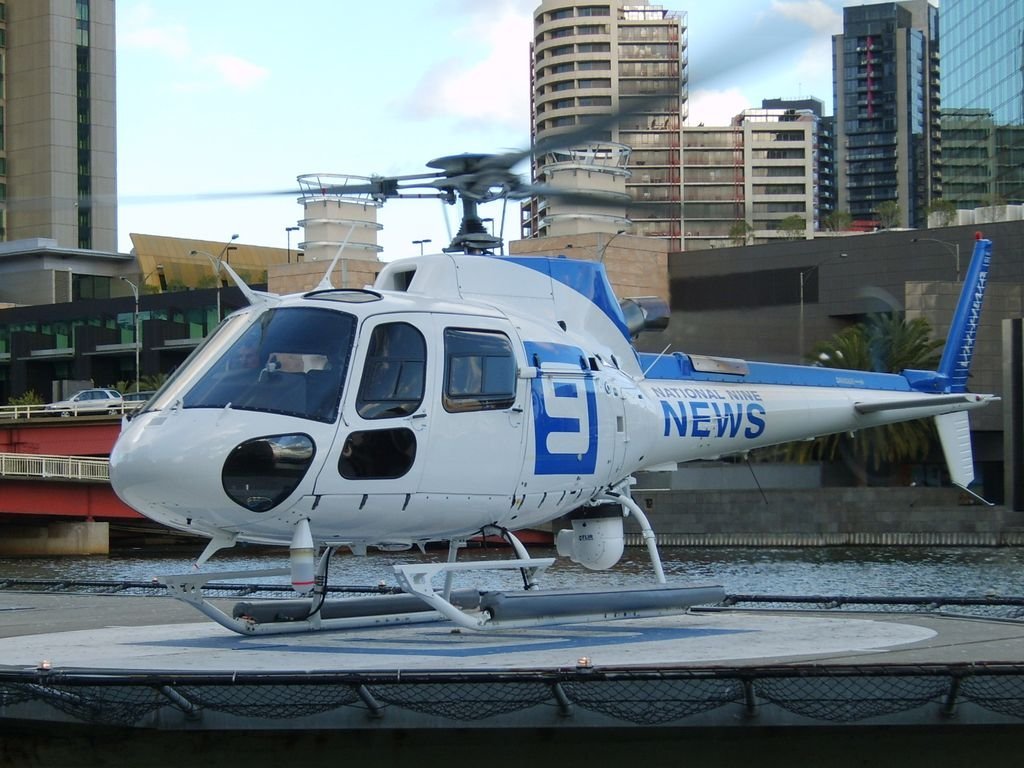
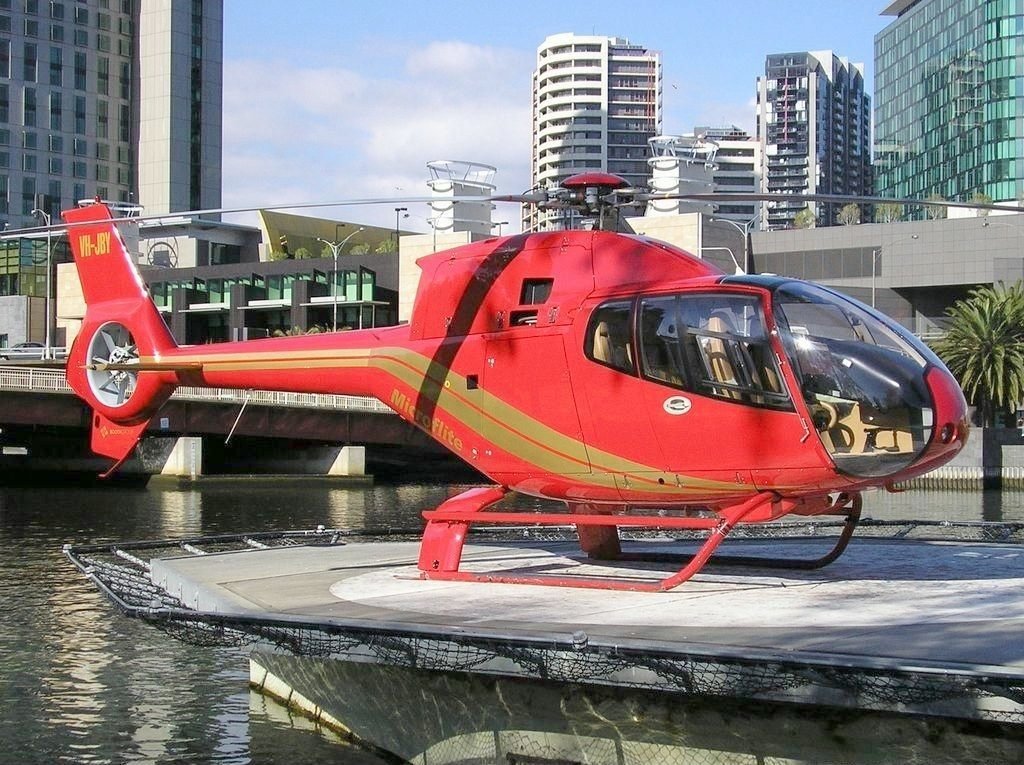
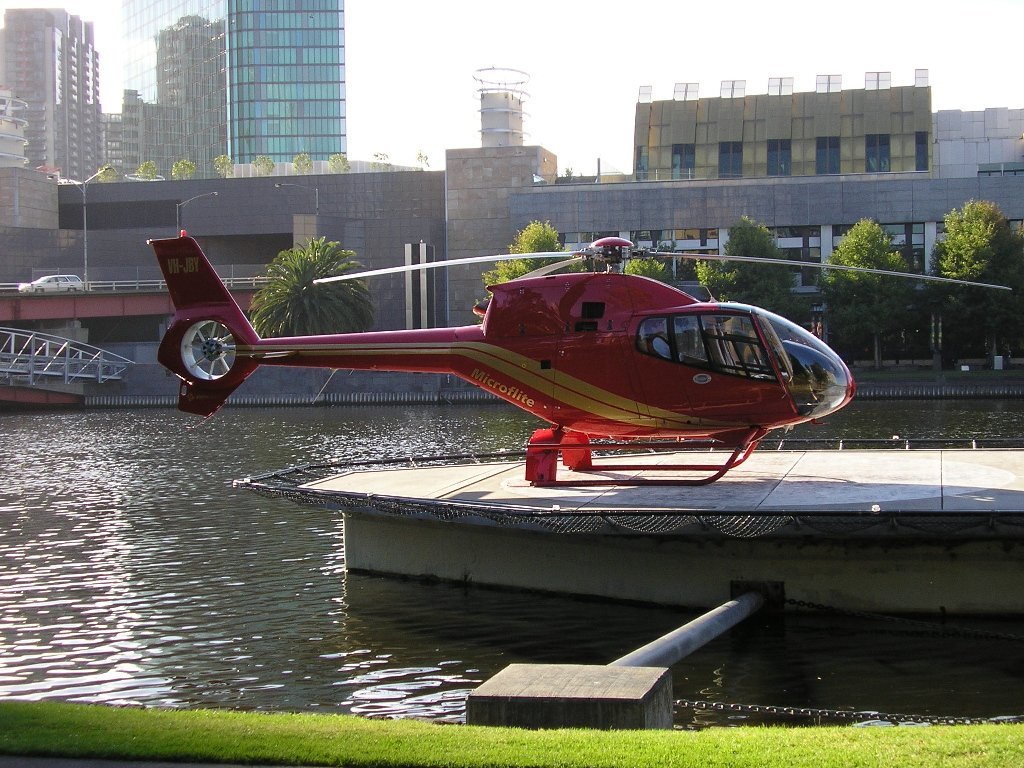
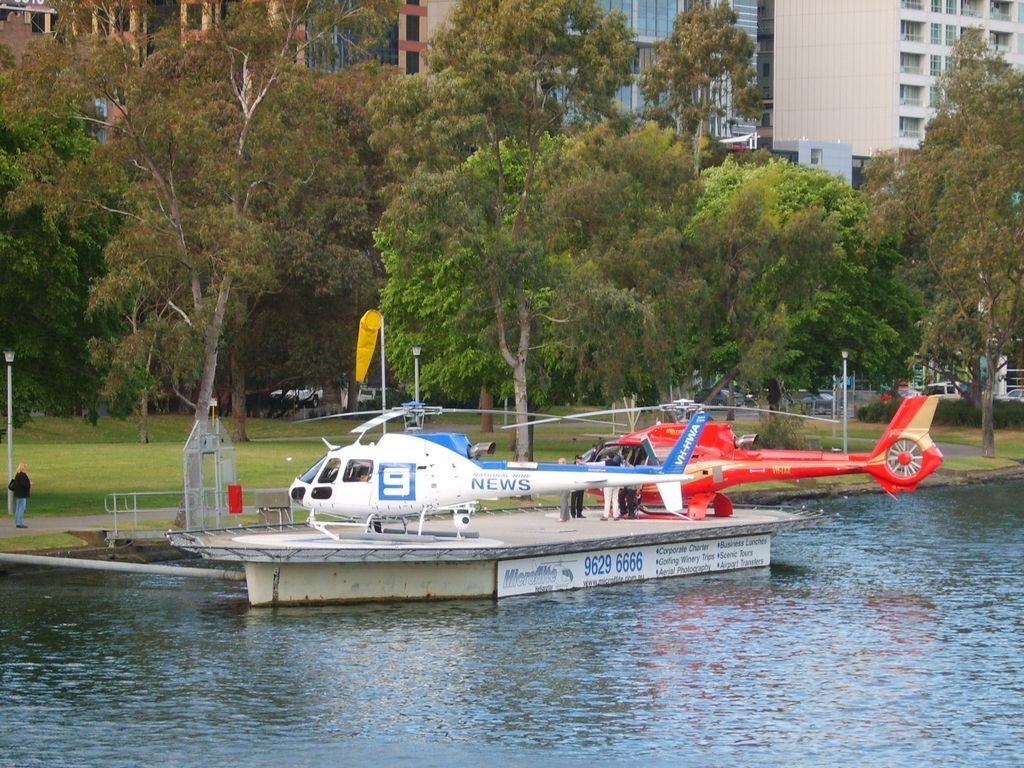
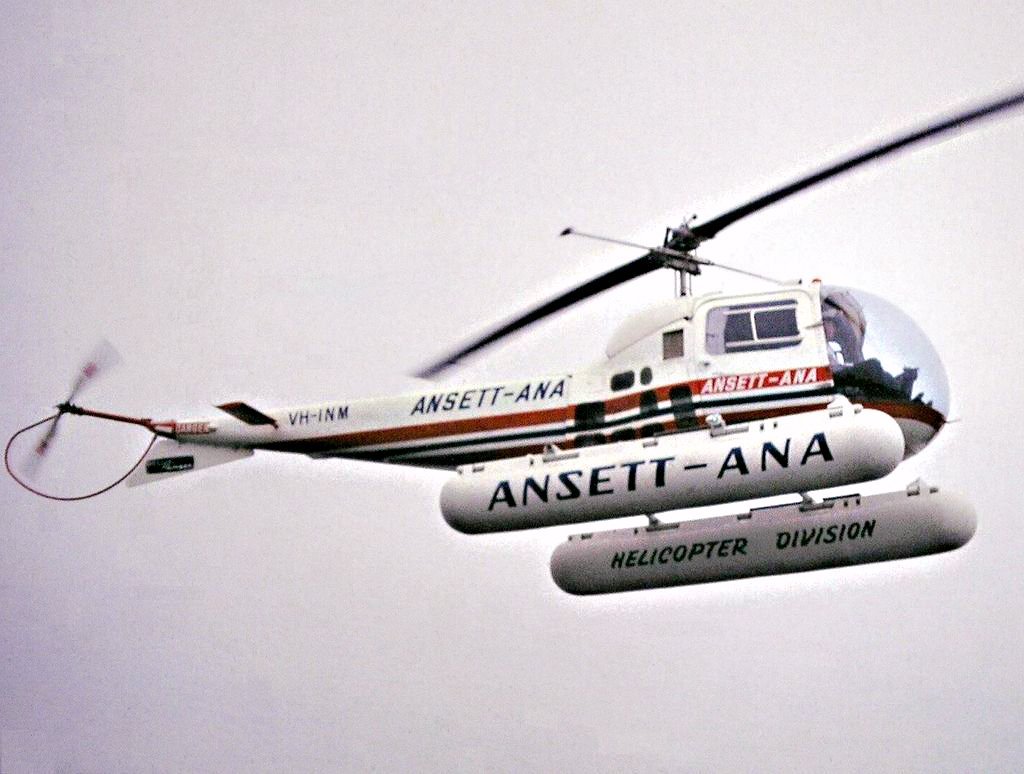
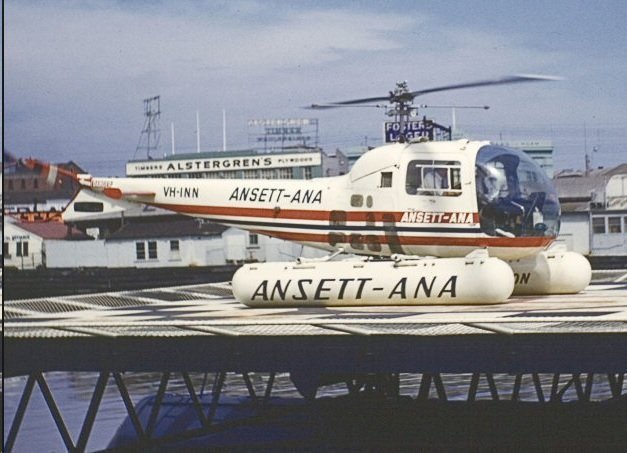
I used to go there quite frequently, but haven't been for years. These are all my photos. I also went to the older heliport the other side of King Street Bridge, where I took a couple of flights on the Ansett ANA Bells.
-
Yeah, just heard a chopper on the news coverage.
-
Do they still run helicopter shuttles to YYBK? Is YYBK still operational?
-
The identity of a third pilot to perish in a horrific mid-air collision has been revealed. Jake Anastas, 29, was one of three people killed when two light planes collided over Belimbla Park, in Oakdale, in Sydney's southwest, about 11.50am on Saturday. Daily Mail.
-
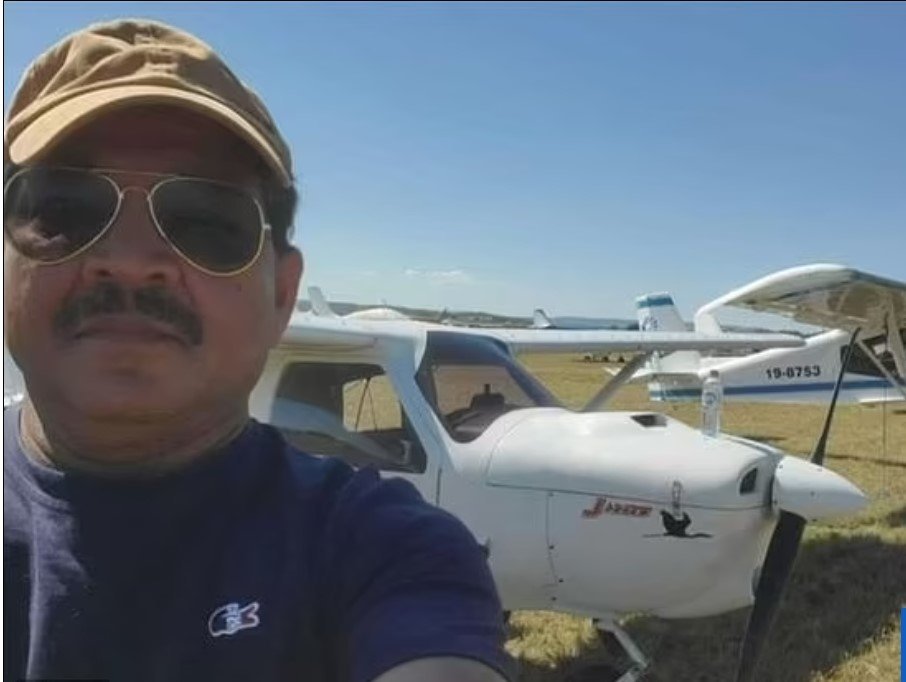
A man who was among three people killed when two light planes collided in a horror crash has been identified. Khadervali Gagguturu, 60, died when his Jabiru aircraft hit a yellow Cessna 182 over Belimbla Park, in Oakdale, in Sydney's southwest, at about 11.50am on Saturday. He has been remembered as someone who was passionate about flying and had a 'heart of gold'.
-
American Airlines Direct Dallas Fort Worth to Brisbane.
red750 replied to red750's topic in Commercial Aircraft Usergroup
Service yesterday was by 787 Dreamliner. -
American Airlines longest non-stop flight, from Dallas Fort Worth landed in Brisbane this morning to initiate the airlines new service to Brisbane.
-
-
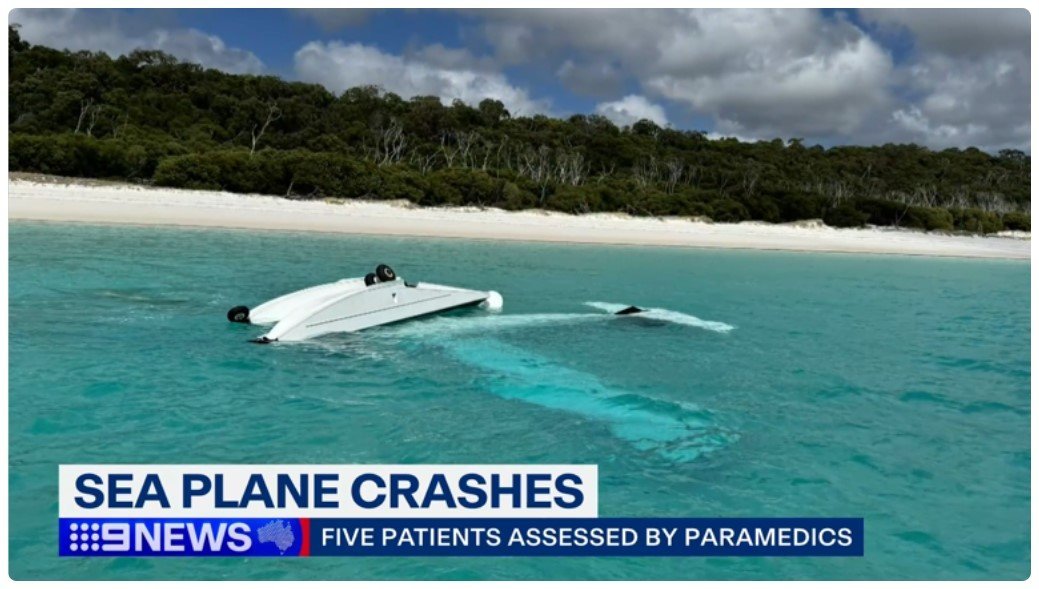
Seaplane ditched at Hamilton Is 26/10/2024
red750 posted a topic in Aircraft Incidents and Accidents
Five people have made a lucky escape after a seaplane incident in Queensland this morning. Those on board the light aircraft were mostly unharmed after the plane crashed while attempting to land, 9News understands. Paramedics were called to Hamilton Island after reports of a seaplane incident just after 9am.
-
The Provider was quite different, a conventional tail setup, not twin boom.
-
Ch 7 lists the other POB as a student (unnamed). The named pilot was a QANTAS captain for 36 years, and a former member of the Roulettes The Jabiru had previously been involved in a landing accident in Qld. about a year ago.
-
-
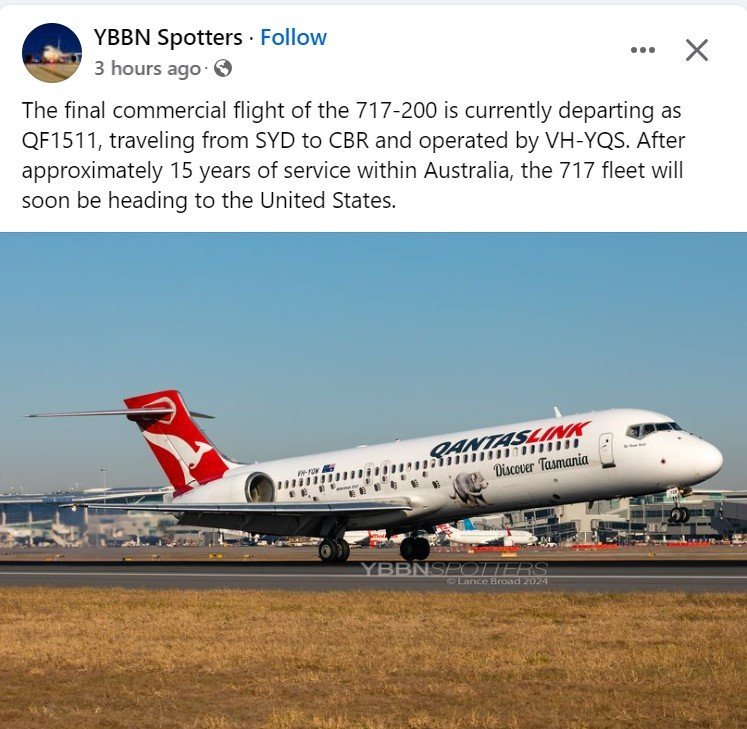
Qantas has retired Boeing 717 aircraft with the last flight today.
-
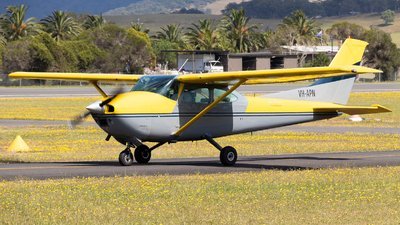
From Ch 7 News, this is the C182P, flying from Cessnock to Wollongong, the Jabiru had just taken off.
-
Crash at Bacchus Marsh 22/10/2024
red750 replied to BrendAn's topic in Aircraft Incidents and Accidents
There recent posts have nothing to do with the Bacchus Marsh accident. There is a Trips/Events forum for such posts. - Mod. -
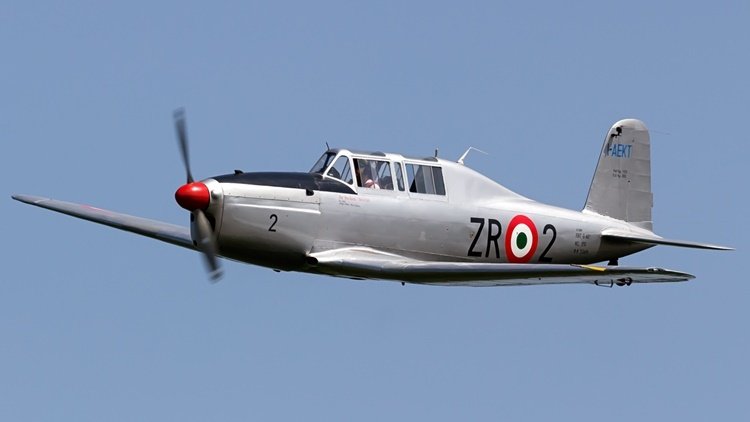 The G.46 was a conventional, low-wing monoplane with tailwheel undercarriage, the main units of which retracted inwards. The pilot and instructor sat in tandem under a long canopy. The first prototype, powered by a 205 hp (153 kW) Alfa Romeo 115-Ibis engine, made its maiden flight on 25 June 1947. Testing revealed excellent flying characteristics and suitability for aerobatics, and the type was ordered into production. Apart from the 150 ordered by the Aeronautica Militare, 70 aircraft were exported, to Austria, Argentina and Syria. Variants G.46-1B two-seater with Alfa Romeo 115bis engine, one prototype and initial production of 25 for the Italian Air Force. G.46-2B two-seater with de Havilland Gipsy Queen engine for the Argentine Air Force, 70 built with an additional 12 for the Syrian Air Force. G.46-3B two-seater with Alfa Romeo 115ter engine for the Italian Air Force, 25 built. G.46-4B two-seater with Alfa Romeo 115ter engine for the Italian Air Force, 55 built. G.46-5B two-seat navigation trainer (prototype only) G.46-4A single-seater with Alfa Romeo 115ter engine for the Italian Air Force, 35 built.