
Garfly
-
Posts
3,299 -
Joined
-
Last visited
-
Days Won
87
Content Type
Profiles
Forums
Gallery
Downloads
Blogs
Events
Store
Aircraft
Resources
Tutorials
Articles
Classifieds
Movies
Books
Community Map
Quizzes
Videos Directory
Everything posted by Garfly
-
The Flying Professor (Iain Anderson) flew his Tecnam Sierra over from Parakai, NZ to Boonah, QLD, as a base for his Aussie air-tours. The rest of the video series is here: https://www.youtube.com/@flyingprofessor9950/videos
-
Some clarification: F2026L00563ES.pdf This is part of the preamble to the Explanatory Statement (above)" "The purpose of the 3 instruments is to set out a standard procedure for authorising pilots of the types of sport and recreational aircraft that are mentioned in CAOs 95.10, 95.32 and 95.55 to operate at controlled aerodromes and in controlled airspace. This is an alternative to the current arrangements, which are inconsistent between pilots of different types of sport and recreational aircraft, and also require such pilots to obtain qualifications under Part 61 of the Civil Aviation Safety Regulations 1998 (CASR). Broadly speaking, the 3 instruments will allow Recreational Aviation Australia Limited (RAAus) to oversee the training, assessment and certification or authorisation of pilots of various sport and recreational aircraft to operate at controlled aerodromes and in controlled airspace, provided the pilots meet certain standards, endorsed by RAAus, that are equivalent to some of the standards set out in Part 61 of CASR, and standards that are the same as those in CASA EX01/24 — Flight Crew Medical Status (Class 5 Medical Self-declaration) Exemption 2024 (CASA EX01/24). CASA EX01/24 sets out a process for completing an online medical self-assessment as an alternative to the existing classes of medical certificates that pilots are required to hold under Part 61 of CASR, all of which have historically been issued only after a medical assessment by a medical practitioner under Part 67 of CASR. In order to maintain consistency, the 3 instruments insert substantially identical provisions into CAOs 95.10, 95.32 and 95.55, including provisions that mirror the provisions and definitions in CASA EX01/24. The amendments in the 3 instruments are intended as an interim measure until the Part 103 Manual of Standards (Part 103 MOS) is made."
-
New Cirrus TRAC10 trainer • Rotax powered
Garfly replied to Garfly's topic in AUS/NZ General Discussion
Heck, it'll even have a landing gear lever on the console - despite the wheels being firmly fixed in place. This is so that the proto-pilots can get physical when running their proto-advanced checklists. (Hmmm ... I wonder if they'll sell those separately. ;- ) -
New Cirrus TRAC10 trainer • Rotax powered
Garfly replied to Garfly's topic in AUS/NZ General Discussion
Only half as much as a real one! ;- ) -
Cirrus Introduces TRAC10 Training Aircraft AVWEB.COM The three-seat Cirrus TRAC10 trainer is slated for U.S. deliveries in 2027. Cirrus Introduces the TRAC10: A Purpose-Built Aircraft Engineered to Transform Professional Flight Training | Cirrus CIRRUSAIRCRAFT.COM Cirrus introduces the TRAC10, a purpose-built flight training aircraft with a fuel-efficient Rotax engine, Garmin flight deck, and CAPS. U.S. deliveries in 2027.
-
New CTAF for Cowra - what is the process ?
Garfly replied to BurnieM's topic in AUS/NZ General Discussion
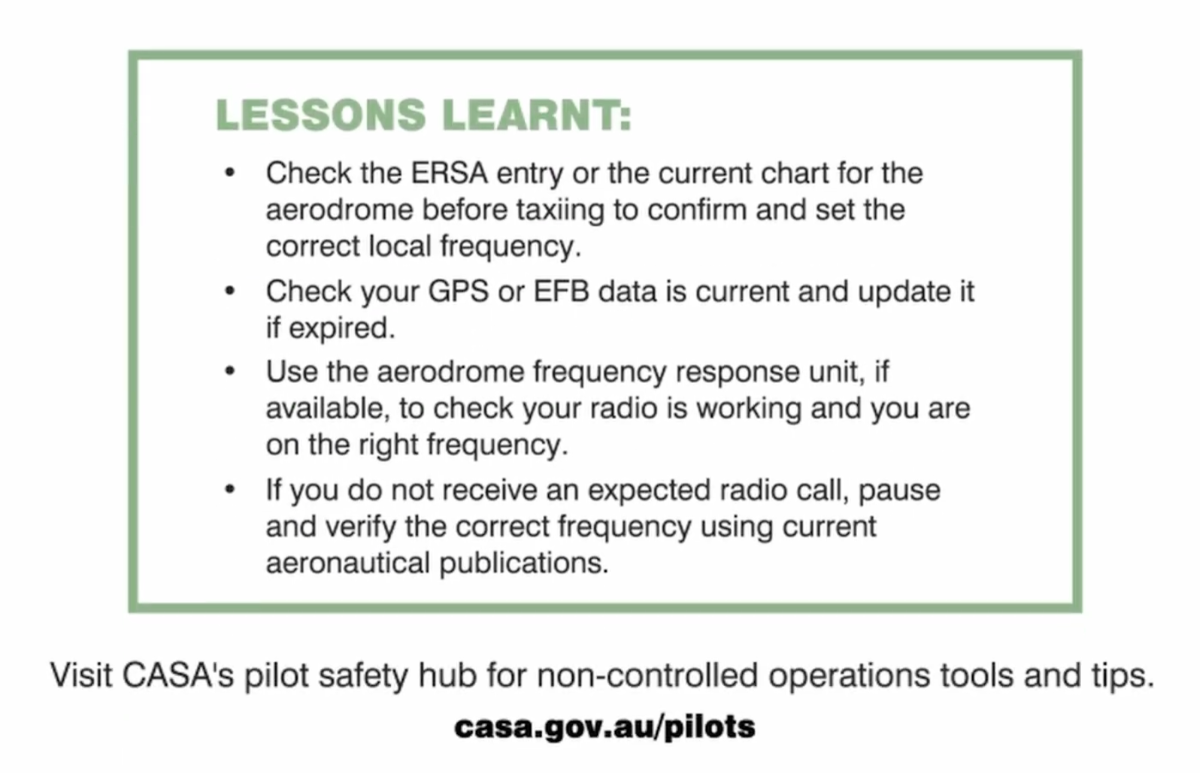
There is an interesting connection with all-of-the-above and the latest edition of CASA's (nicely done) "Crash Comic" video-series. The short "Playing the Wrong Card" recounts a pilot's tale about a mid-air-near-miss he'd had at an unnamed non-controlled airfield. In it, he confesses to having been at fault for tuning in the wrong CTAF numbers due to his relying on outdated info in his GPS unit. Anyway, CASA concludes the cautionary tale with this advice: STILL FRAME FROM VIDEO (Click for full rez): But getting back to our Tumut case, even till now aviators consulting their current ERSA would see an out-of-date CTAF frequency. And, as far as I can tell, there are no NOTAMs current warning of this error. (Although, as noted above, a NOTAM was issued around the time of the change.) The current ERSA, as in OzRunways (and elsewhere) is the soon to end 19th March edition. And I see that in the upcoming July 9th version the change has been made. (That is, from 126.7 to 126.85) However, this means that for the past 20 weeks ERSA has been wrong on this crucial piece of operational information. And, as Thruster suggests (above), over that time there must have been at least "a few NORDO aircraft at Tumut ". And blame could not be put upon some hapless pilot's out-of-date GPS. Nor, it seems, on his failure to 'read the NOTAMs'. Of course, there are going to be times when, for safety's sake, changes like this ought to be made in between official publication dates. But in any such cases CASA would do well to follow its own advice; do what's needed to get rid of any jokers in the pack.
-
CASA vid on next week's Sydney airspace changes.
Garfly replied to Garfly's topic in AUS/NZ General Discussion
No, not ALL the advice is so focused. If you're into the hour long "Webinar" format they have THIS for you: Meanwhile at Ballina: Ballina changes to take effect next week - Australian Flying WWW.AUSTRALIANFLYING.COM.AU One of NSW's busiest regional airports, Ballina-Byron Gateway, will become controlled airspace from next week, with an interim control tower starting operations. -
How about this upright V, similar displacement (1213 cc) but designed and built a century earlier?
-
Ross Millard's previous accident (as pax) was at Batchelor, Northern Territory in 1974. It was in a C182 taking off for Darwin - 40nm to the north - after completing a series of parachute sorties. The pilot and the front seat pax were killed. Ross and a fellow skydiver, sitting on the rear floor but strapped in, survived with serious injuries. Foreshadowing his own fatal, forty odd years later, the cause was found to have been a failed turn-back after EFATO. This is the DCA Summary Report. MILLARD 1974 crash-2.pdf
-
Yes, that can be a problem with suction caps. Probably best to stick them up only as needed. The static cling ones are also good.
-
I'm guessing it's the heat of the overhead sun beating down on the windscreen that's Toucan's main problemo. If so, I got something similar to this small shadecloth at Supercheap Aero which does the job for me. Stretchh-adjustable to fit; attached by 4 suction cups. Dreambaby Adjusta-Car Shade - Stretch It, Shape It, Fit It - Adjustable Baby Window Sunshade- 2 Pack : Amazon.com.au: Automotive WWW.AMAZON.COM.AU Dreambaby Adjusta-Car Shade - Stretch It, Shape It, Fit It - Adjustable Baby Window Sunshade- 2 Pack : Amazon.com.au: Automotive
-
Yeah, interesting that, in the end, they decided they had to make their own motor. https://www.youtube.com/watch?v=5pdkQN1tT3M&t=71s
-
And this is the SE-1 Factory Tour follow up. It's a long vid but full of great engineering detail. The ingenious wing fold system is demo'd at around 44:00 https://www.youtube.com/watch?v=Pn1jIxhQ958
-
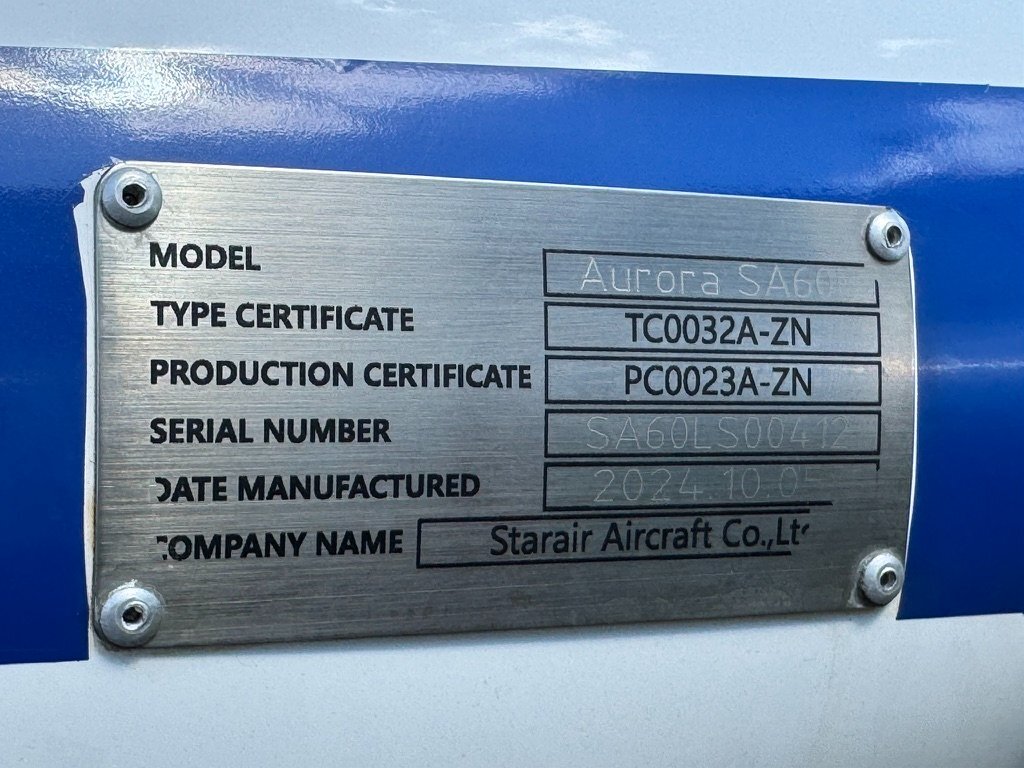
Yes. Though it seems the government has shut the whole show down, for now. China Grounds Light Aircraft AVWEB.COM The pilot was killed and 13 people were injured after a light sport aircraft hit CITIC Tower in Beijing's central business district in China. Anyway, the Aurora (as used in said incident) is made by China's Starair Aircraft and is already flying in Oz. Here's one of 'em at Taree a few months back. CLICK for BIGGER:
-
Chinese Authorities Say Beijing Tower Crash Was Deliberate AVWEB.COM The 66-year-old pilot was killed and 13 people were injured when an Aurora SA60L hit Beijing's tallest skyscraper.
-
-
I think this is a well considered review of what's known about this. It's by a French aviator/commentator. He sets it in a wide context of other (possibly) related accidents (including Moruya). This guy takes a serious, humble and compassionate approach to "accidentology" in general. I believe he's done the voice-over of this English version himself so it comes across well and naturally (albeit outasync) (As opposed to rubbish robo voices.) Though the original French with subtitles is also choosable.
-
A few more details here (between 06:30 and 09:30) though very little info is being made public.
-
The next leg of the Big Lap Video from Slinging Down Under.
Garfly replied to Garfly's topic in Trips/Events/Seats
-
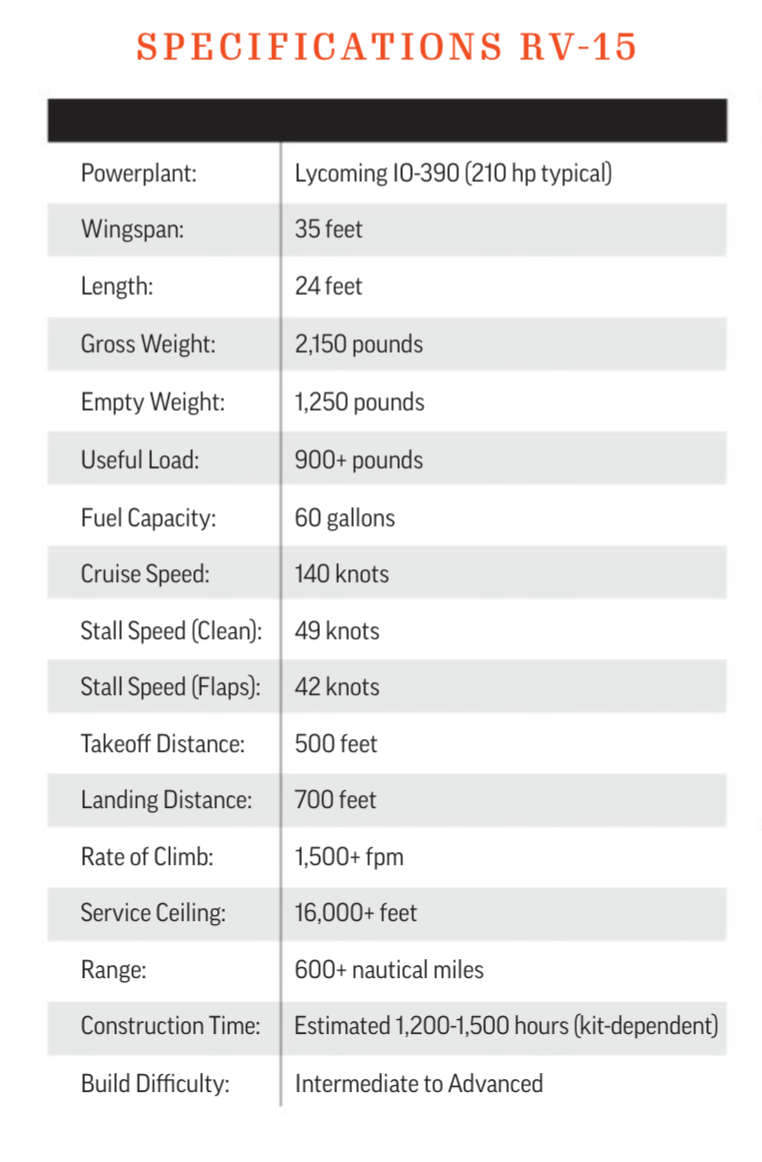
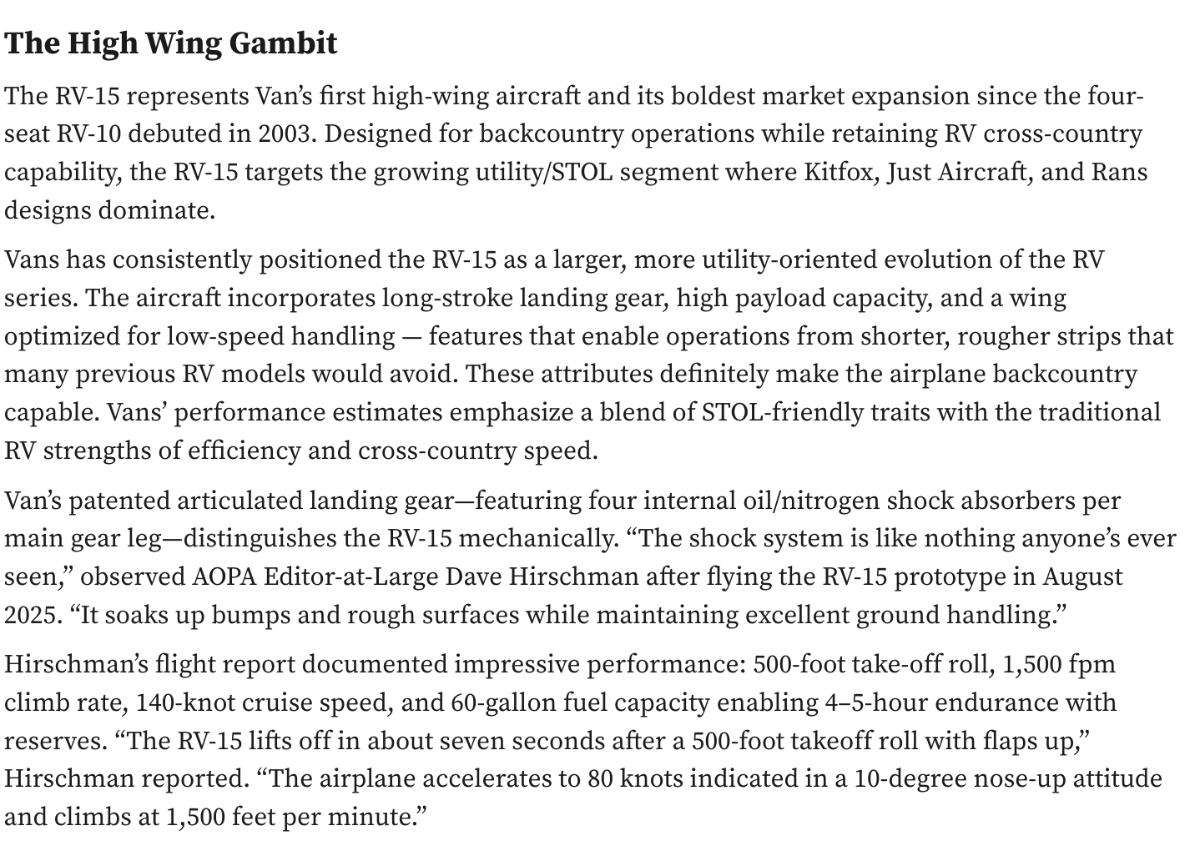
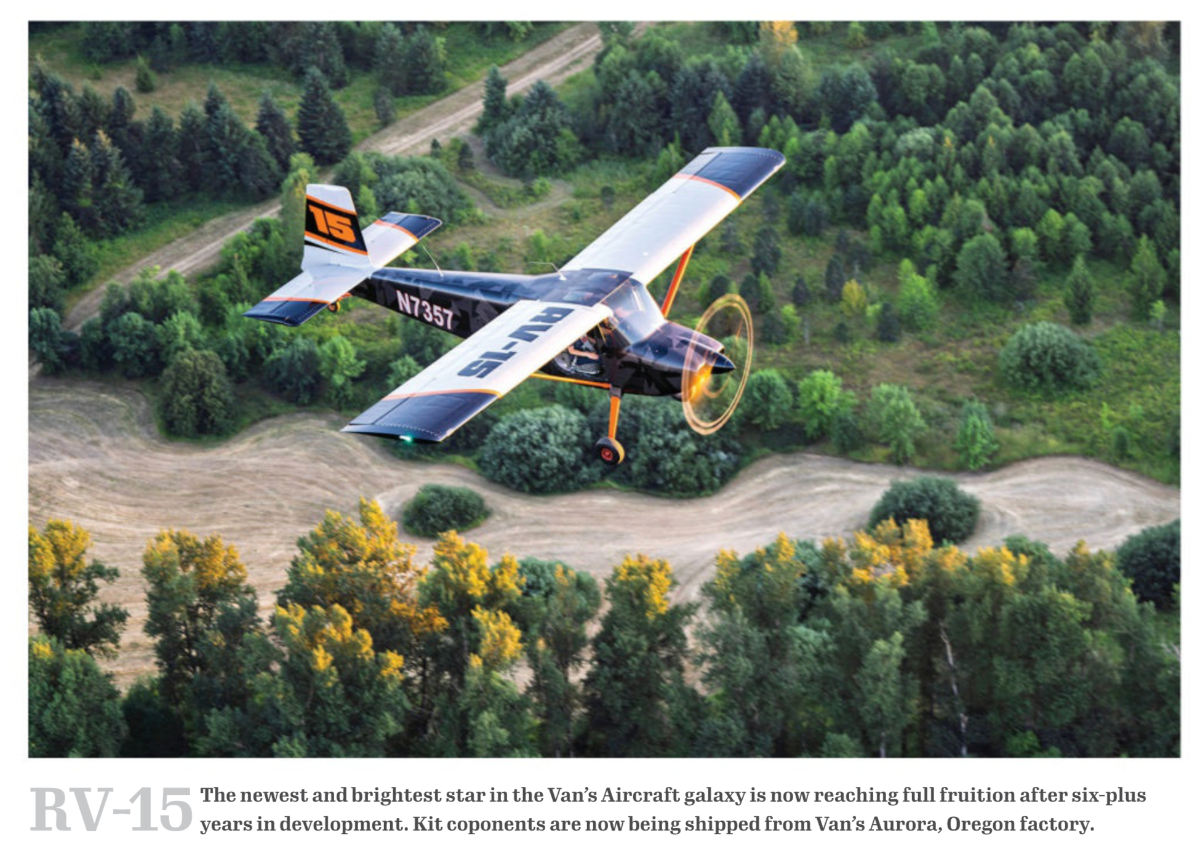
And, according to Kitplanes, you can have (with enough time, skill and dosh)
-
Whoaaa! That's amazing, Thrusty! Did it all happen in the night? It's not just the Thruster that was lucky to escape ... what about what's in the shed next door and on the other side! It'd would have been awful if any of their last flights were without you. And it dodged the house, too?! Phew!!
-
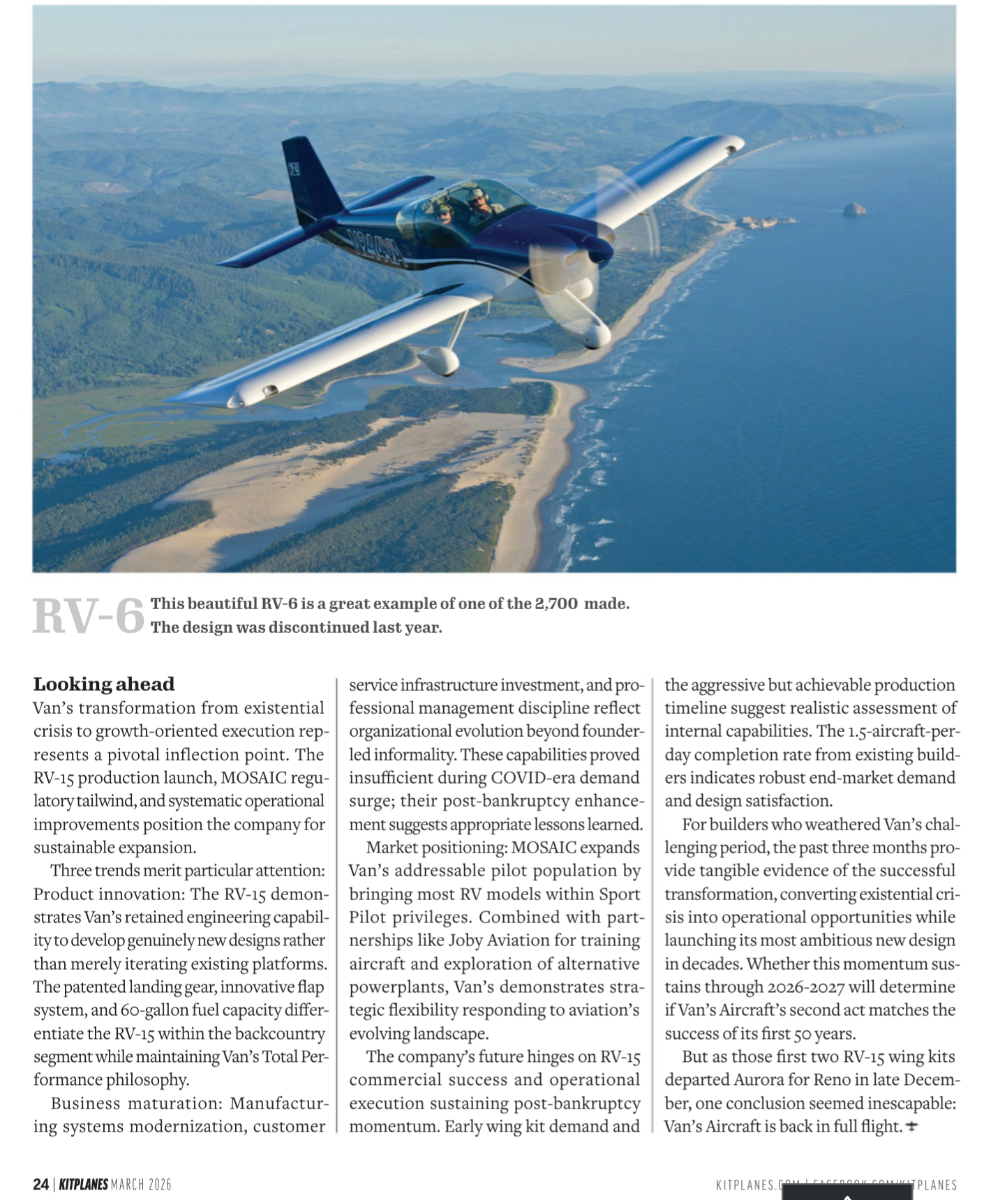
Talking of good reads re RVs, I saw that Kitplanes recently had some positive things to say about how things are moving on at Van's after the tough times. This conclusion gives the flavour (the image needs clicking on to be read)
-
Good article. Reminds me of the Port Augusta airprox and related ATSB report we looked at here: BTW In Dubbo it seems like the daytime use of landing lights saved the day.
-
Used Aircraft Guide: Van’s RV-8 WWW.FLYINGMAG.COM Family-farm passion evolves Van’s into world’s best-selling ‘fighter-like’ kitplane.
-
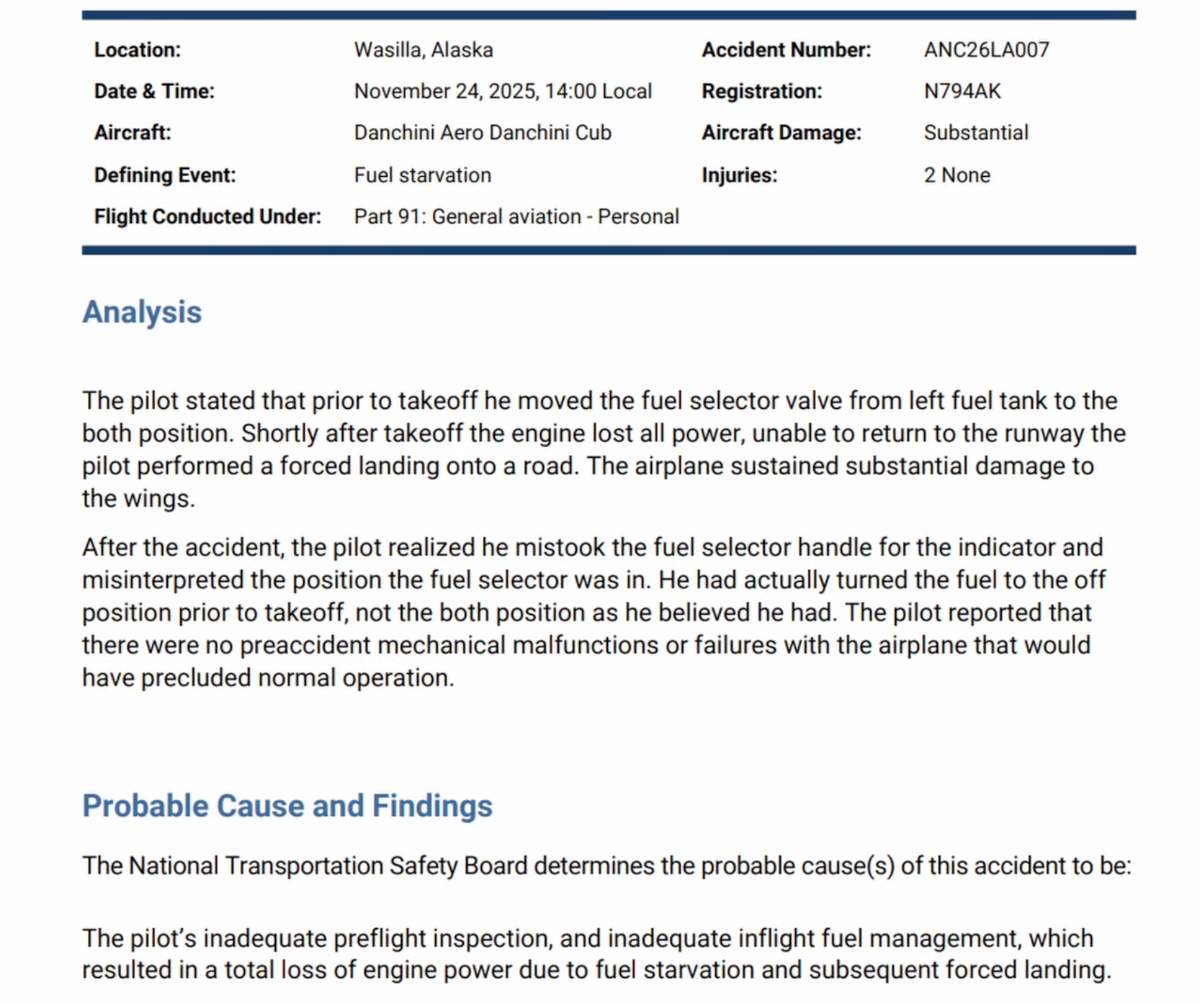
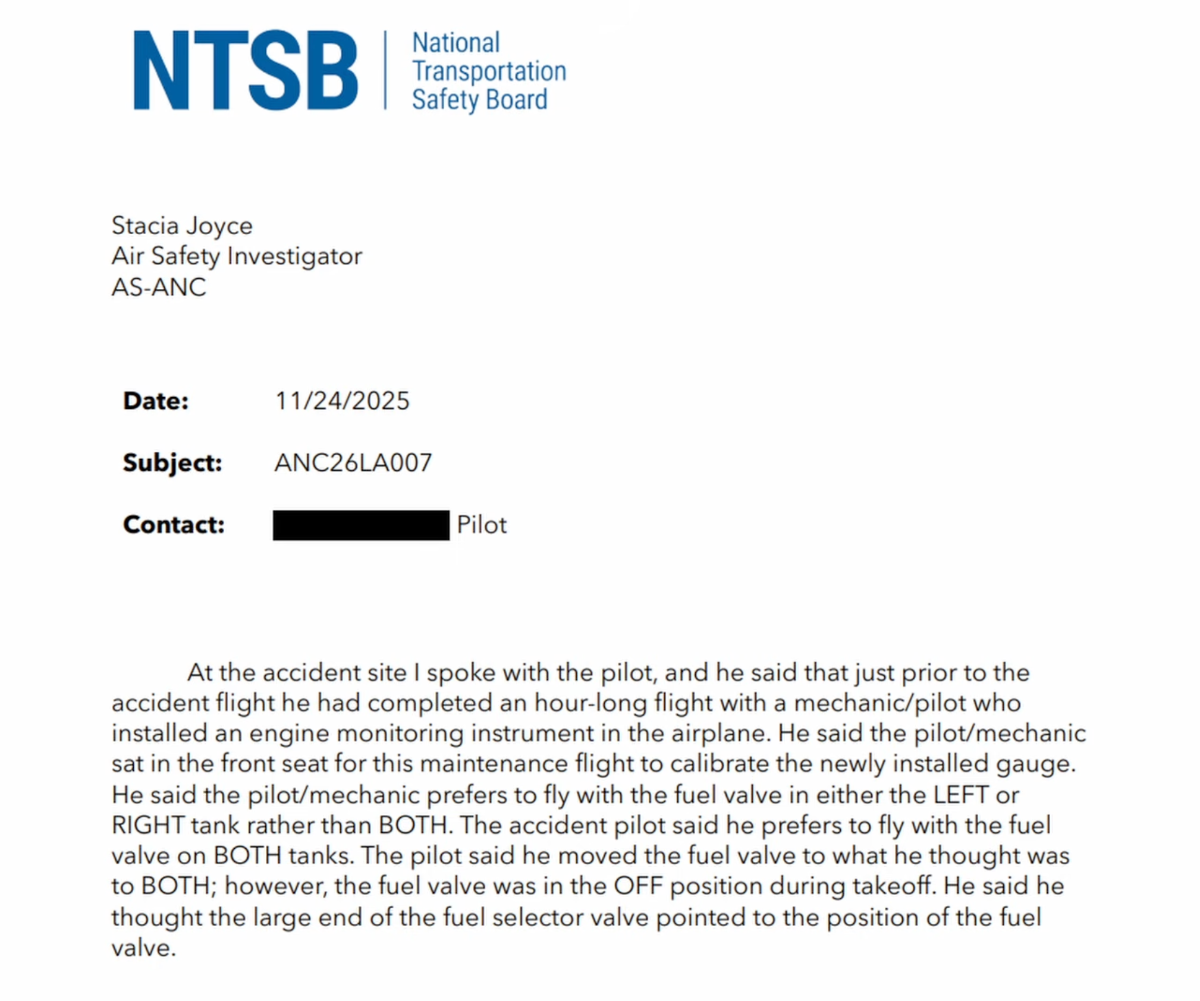
Yet another fuel turned off at take-off event recorded and analysed for our instruction. https://www.youtube.com/watch?v=EjC0WoyDHvA [These 'thumbnails' of key screenshots from the video need clicking to be clear. ]