Garfly
-
Posts
3,299 -
Joined
-
Last visited
-
Days Won
87
Content Type
Profiles
Forums
Gallery
Downloads
Blogs
Events
Store
Aircraft
Resources
Tutorials
Articles
Classifieds
Movies
Books
Community Map
Quizzes
Videos Directory
Everything posted by Garfly
-
What are you talking about? I expect heaps from elected officials, far more than you do, I'd wager. For a start, I expect Ministers with the wisdom to separate the sheep from the goats when it comes to all the "wrongs for righting" that pass their desks daily. And to separate special interests from the common good. (Having the courage of their convictions would be nice, too.) Which is why I prefaced my comments with " ... as a citizen". 'As a pilot', sure ... I want all I can get. (Which might explain the contempt you say we attract as a group ;- )
-
Well, as a citizen, I'd mark down any Minister of the Crown who devoted his or her department's time to an issue so niche, in the overall scheme of things. Anyway, even if you got what you want, what difference would it really make to a private pilot's overall costs for an average aviation vacation? Like one percent? Give or take? You know landing's probably going to cost. And if you really can't find out up front, you could plan upon a guess. (You might even end up ahead ;- ) I say again, ERSA is, first and foremost, meant for operational info - in ASA's word's "information vital for planning a flight and for the pilot in flight". Other bits and pieces are optional extras. ASA can't be expected to chase down every airstrip in the land for their latest fees every three months, just to help out the handful of cranky "consumers" who insist they need it (and can't find it elsewhere). The administrative cost of doing so for all destinations would probably outstrip the total proceeds from itinerant fees that trickle down to groundkeepers. In short: No, Minister! As to that safety case, any pilot who runs out of fuel in an attempt to avoid a landing fee that, well, for all he or she knows, might well be higher than he or she might reasonably have otherwise expected ... definitely needs their head read.
-

The next leg of the Big Lap Video from Slinging Down Under.
Garfly replied to Garfly's topic in Trips/Events/Seats
-
The next leg of the Big Lap Video from Slinging Down Under.
Garfly replied to Garfly's topic in Trips/Events/Seats
-
The latest big-trip-vid from the Flying Professor
Garfly replied to Garfly's topic in Trips/Events/Seats
-
https://www.youtube.com/watch?v=75crsxINQcs YT Description: "A lost Dutch fighter roars back to life. After decades of hunting parts and drawings, one family pushes the world’s only Fokker D-21 toward the sky. From a stethoscope diagnosis on a stubborn cylinder to the moment the Wright Cyclone finally thunders into sync, Warplane Workshop tracks the Van Eggmans’ meticulous rebuild and the nerve-wracking first test flight with veteran pilot Dan Griffith. See how a wing-attachment mystery was solved using relics from a 1940 crash, why a variable-pitch prop can make or break the engine, and what rare color footage from RAF 322 Squadron reveals about the Dutch few who escaped to fight on. With today’s F-35 crews cheering them on, the family chases certification, airshow deadlines, and a promise made generations ago. What did the stall tests uncover? How close did the D-21 come to disaster on taxi runs? And why does this one-off machine matter so much to Dutch aviation history?"

-
The next leg of the Big Lap Video from Slinging Down Under.
Garfly replied to Garfly's topic in Trips/Events/Seats
-
NZAero to re-start CT-4 production after Thai order - Australian Flying WWW.AUSTRALIANFLYING.COM.AU NZAero announced this week that they would re-start CT-4 Airtrainer production after an order from the government of Thailand, ending a 14-year manufacturing hiatus for the iconic trainer.
-
MB, since most EFBs allow you to run their app on several devices, could you press an old iPhone/iPad into service so you could check your position while your main device cools down/charges up? (Assuming the stand-by has an internal gps).
-
The next leg of the Big Lap Video from Slinging Down Under.
Garfly replied to Garfly's topic in Trips/Events/Seats
-
Ch. 7 report today. https://www.youtube.com/watch?v=qUgShHiKpMQ
-
Yes, as this USNavy training film puts it, more pilots and aircraft were lost in training than in combat.
-
-
A discussion between fixed and rotary-wing aviators about this accident. The upshot seems to be that there's just not enough awareness about the dangers within either group. https://www.youtube.com/watch?v=4jIfDl-AfRI
-
CASA vid on next week's Sydney airspace changes.
Garfly replied to Garfly's topic in AUS/NZ General Discussion
A new one on Victor One: Nothing much new here, and brevity seems to be the main aim of this series. It would have helped if they'd made, and included here, a real-time video of what the complete route looks like northbound and southbound, along with typical calls along the way. As it is, luckily there are some V1 vids on YT including one from our own Scott Hendry's "Flying Around" series of trip-vids. -
The latest big-trip-vid from the Flying Professor
Garfly replied to Garfly's topic in Trips/Events/Seats
This new episode takes us across to Tassie. -
Another cautionary tale?
-
The next leg of the Big Lap Video from Slinging Down Under.
Garfly replied to Garfly's topic in Trips/Events/Seats
-
And, at our age, I'd be so bold as to suggest adhesive pads.
-
It’s just hit me hard that I can’t do this :(
Garfly replied to danny_galaga's topic in Student Pilot & Further Learning
You sound like you think you're overthinking a bit, that you might be over-sweating "Nav theory" as some kind of bogeyman (Lord knows, we've all been there! ;- ). But then, if you were to go on some actual nav trips with your hangar-mates, you may be surprised to find (as competent in the air as they may be) that their grip on book-theory is not a whole lot firmer than your own. After all, they will most likely have been using EFBs to plan and navigate for years, and doing it far more accurately, reliably and safely than they ever did with a magnetic compass (itself, once the new fangled tech of ancient mariners). Of course, you still have to pass exams in the olden day way (for reasons both good and bad) but even so, I reckon, the actual theory exam often turns out to be not near as tough as one imagined. To be sure, there are still many real gotchas in recreational flying but few have to do with trigonometry any more. Weather remains a biggie even as getting lost or busting airspace gets somewhat harder to do. But even with weather, EFBs (both in planning and aloft) can help a lot in avoiding storm and stress. Hey, it's recreational, it's supposed to fun. BTW, regarding the debate about old versus new in nav training, there's heaps here in the past pages of this forum. For example, this thread (almost a decade back some were adamant that it's time to move on ;- ) -
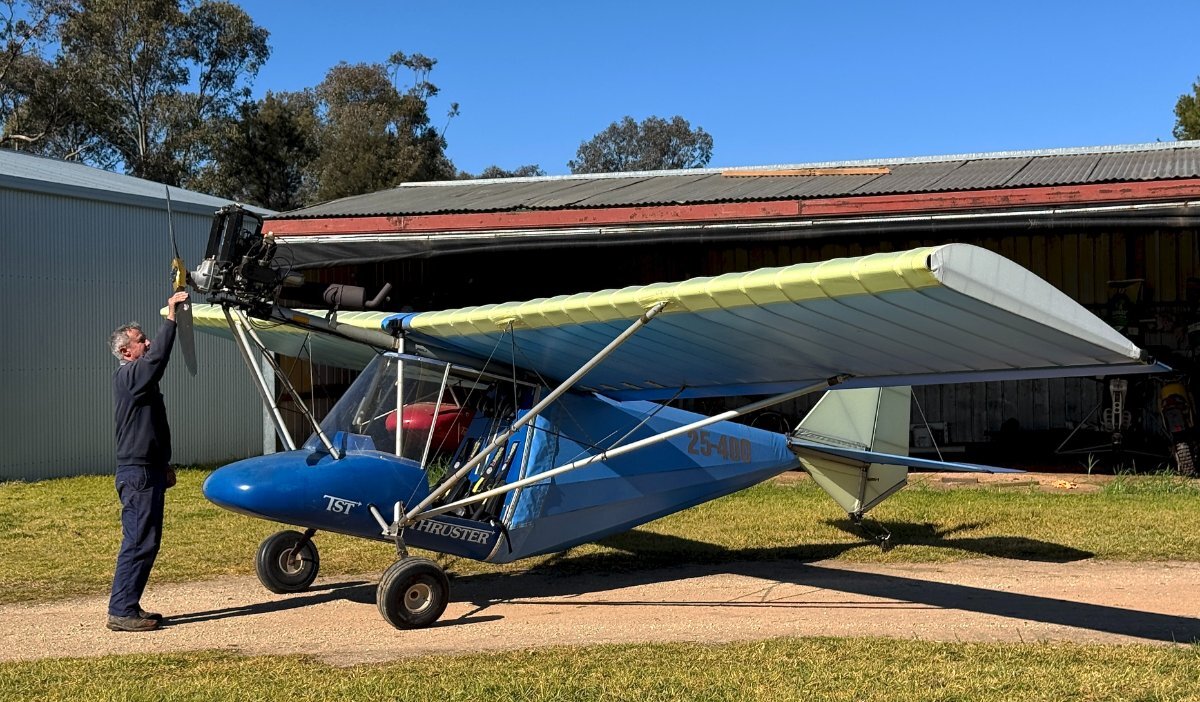
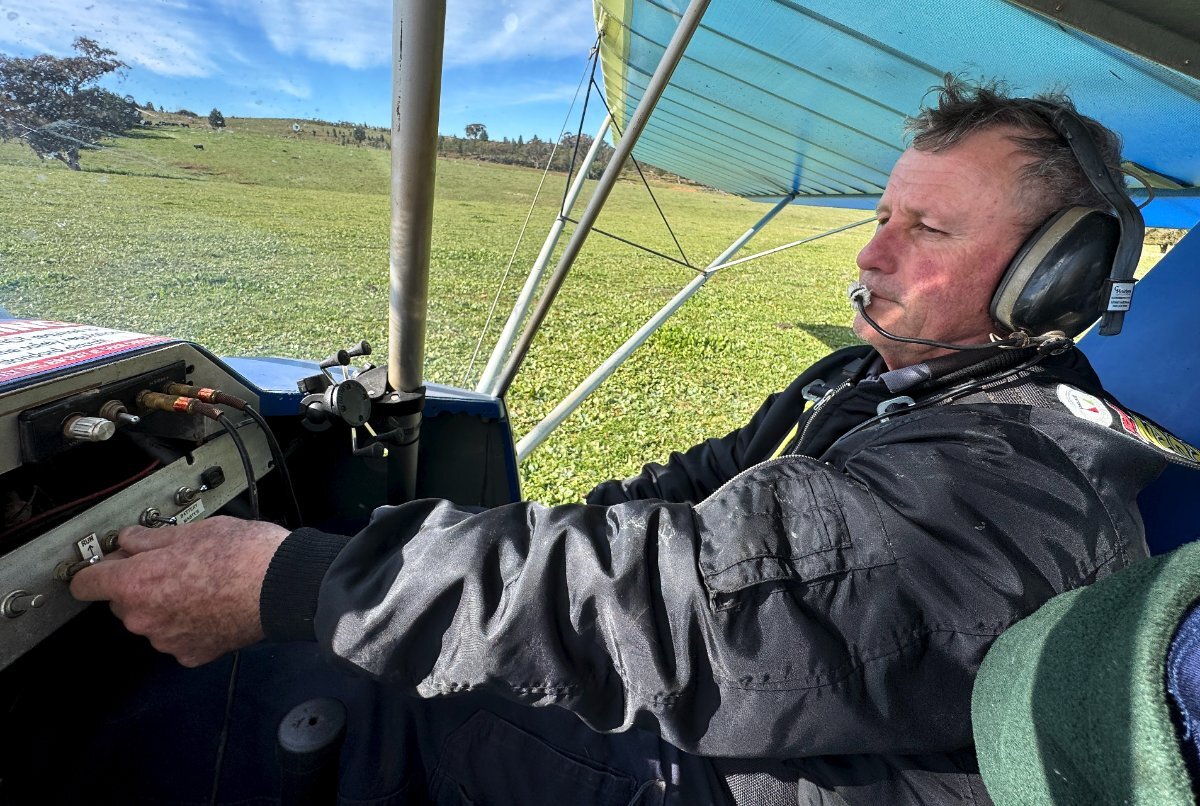
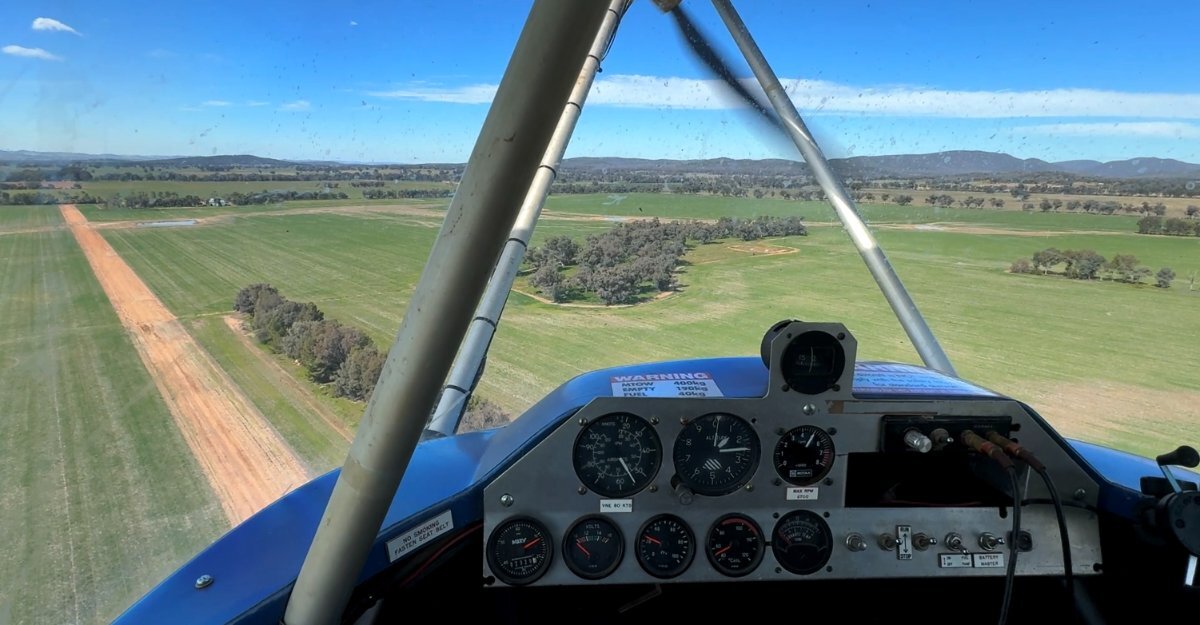
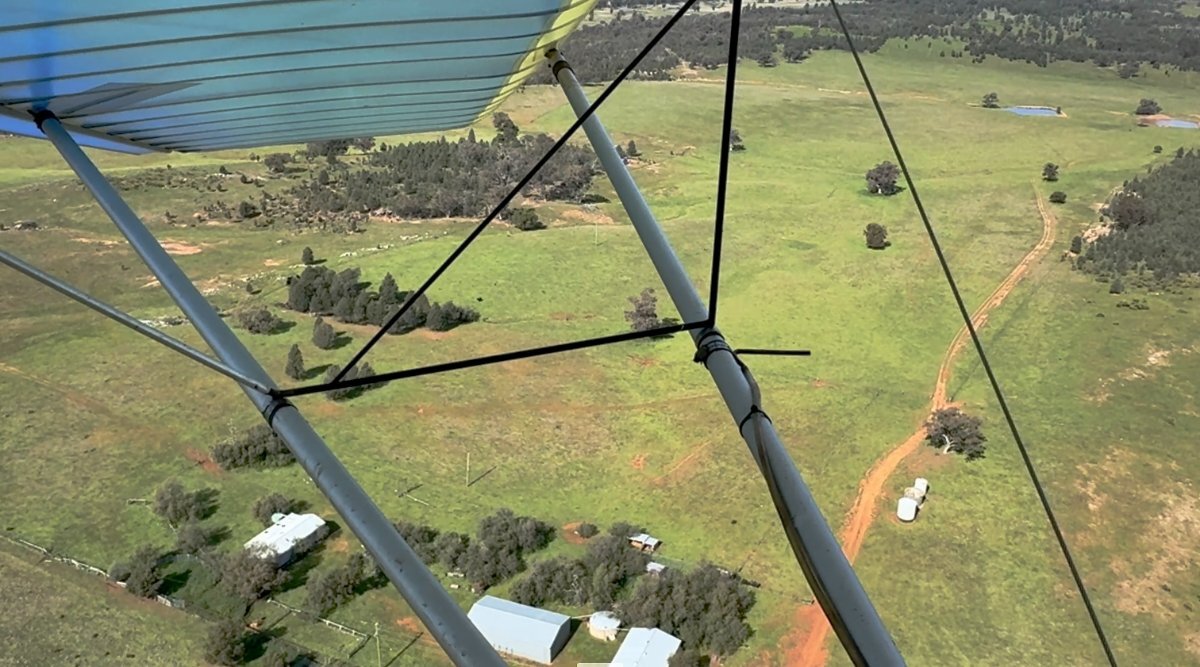
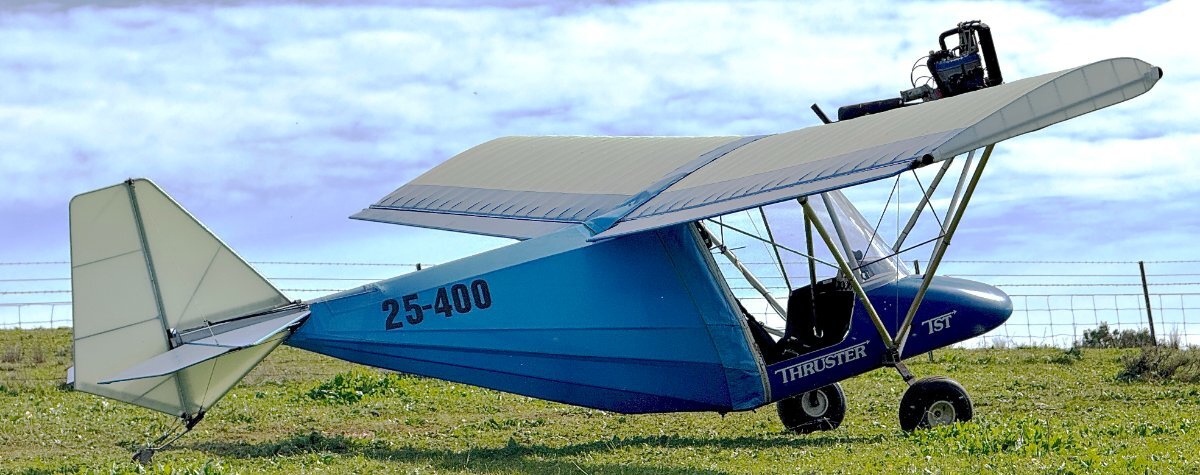
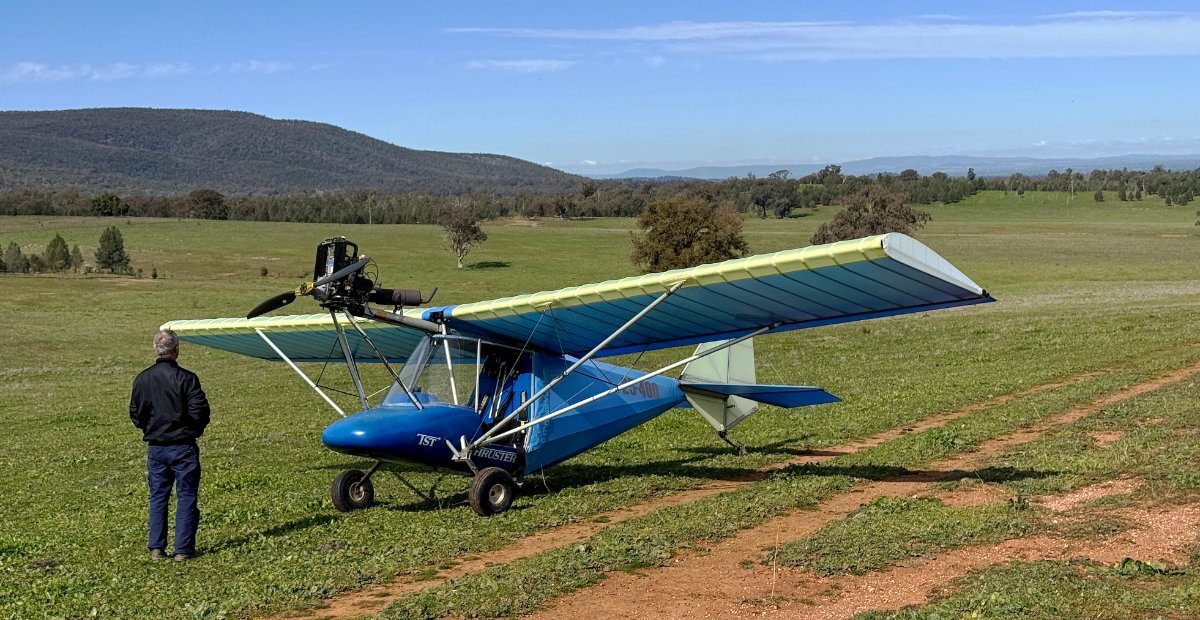
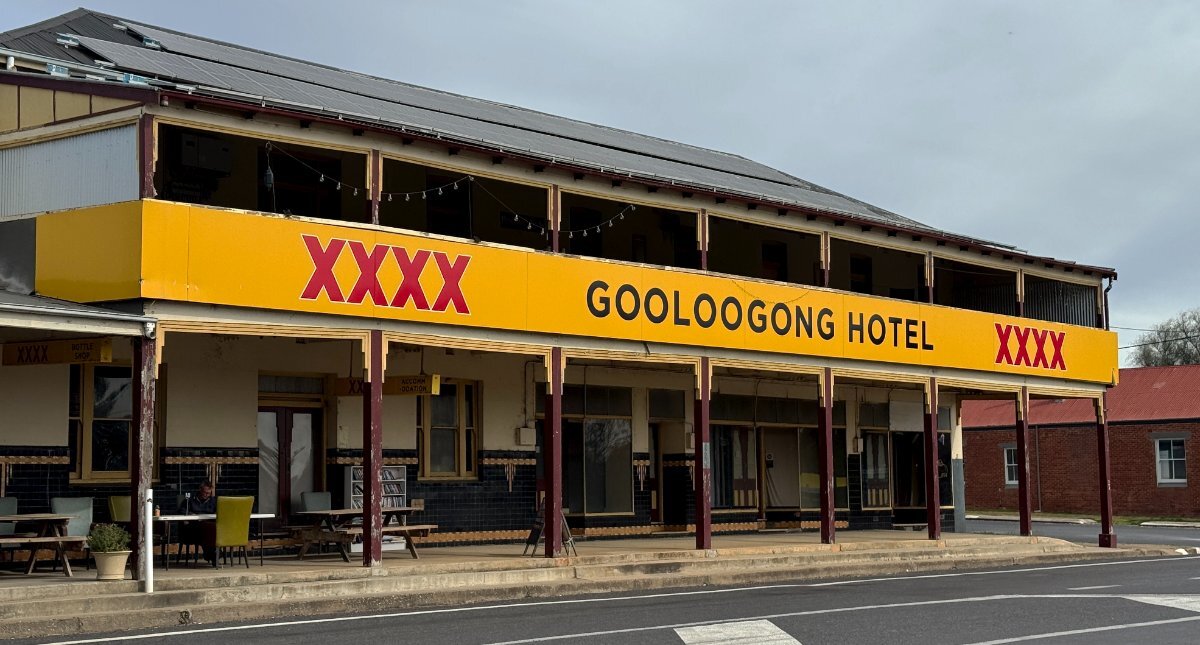
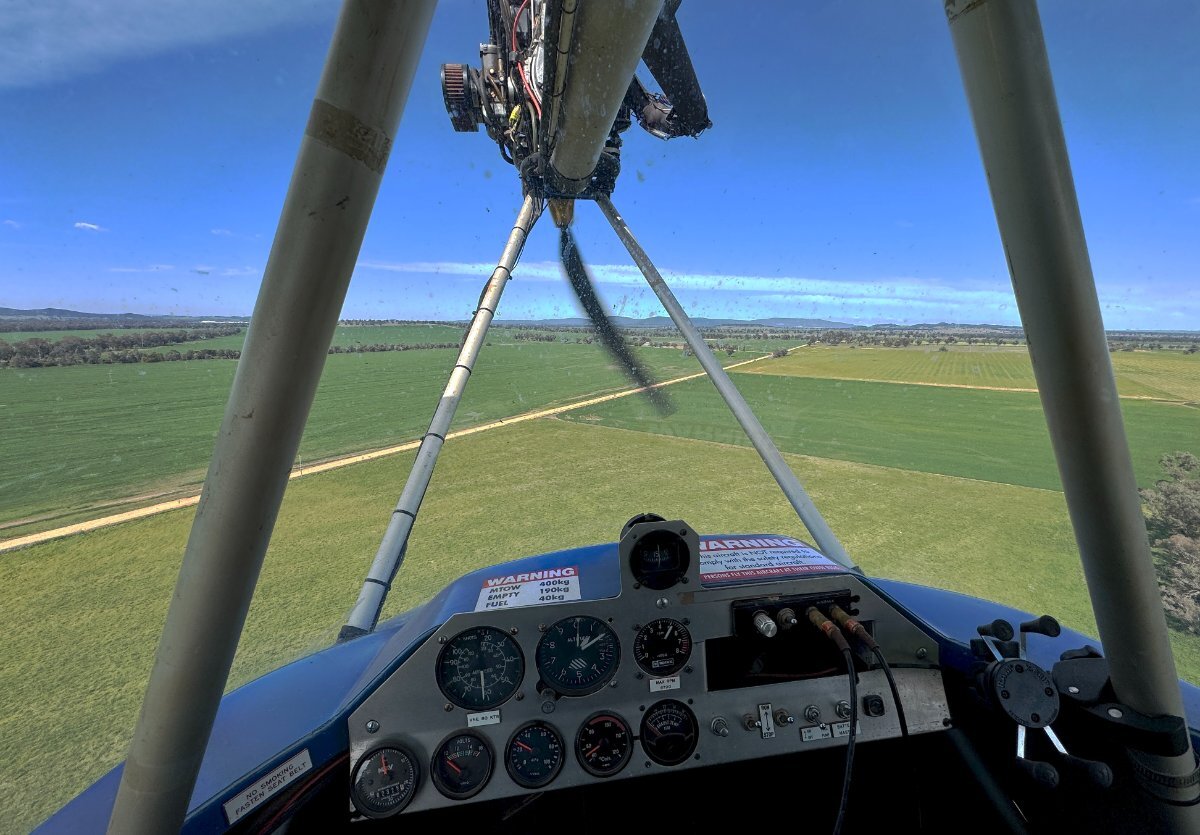
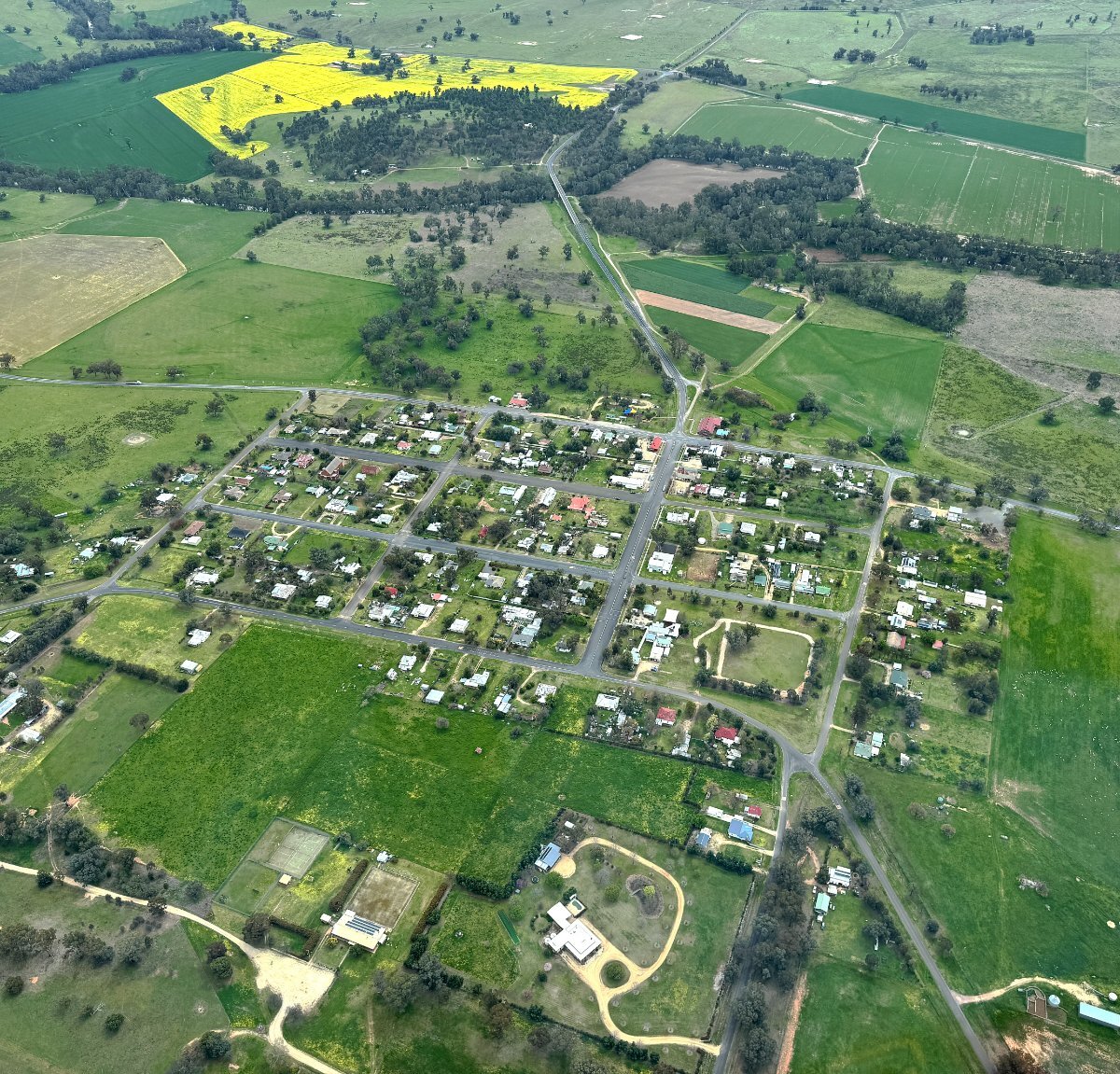
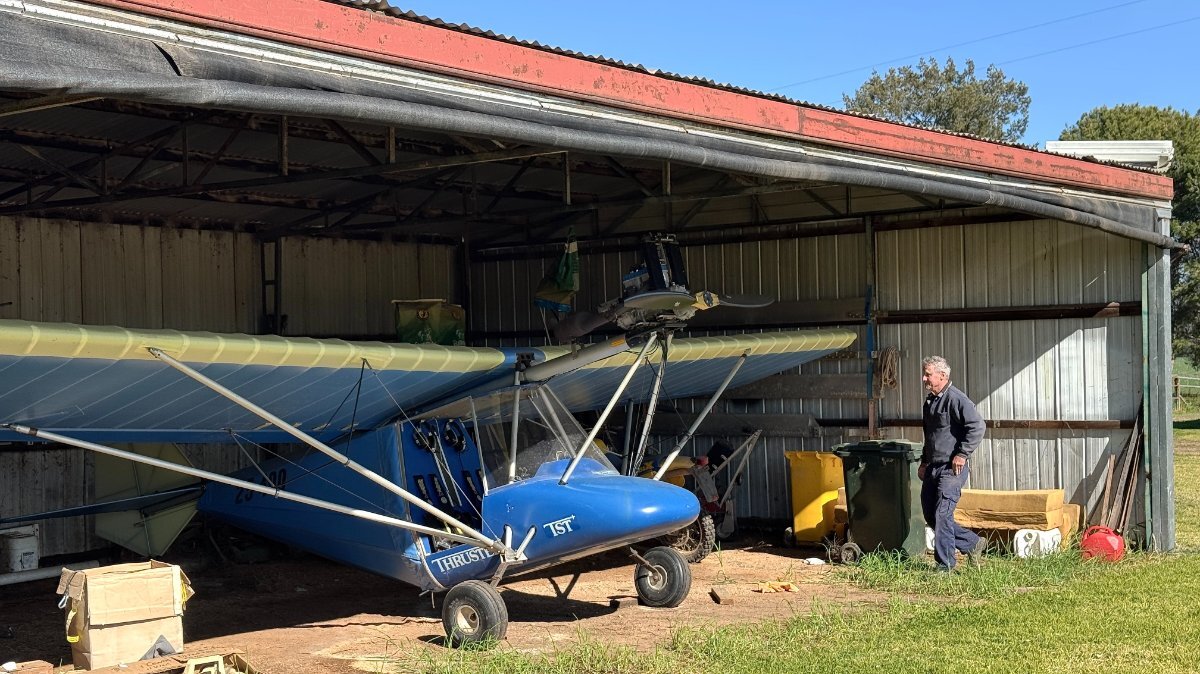
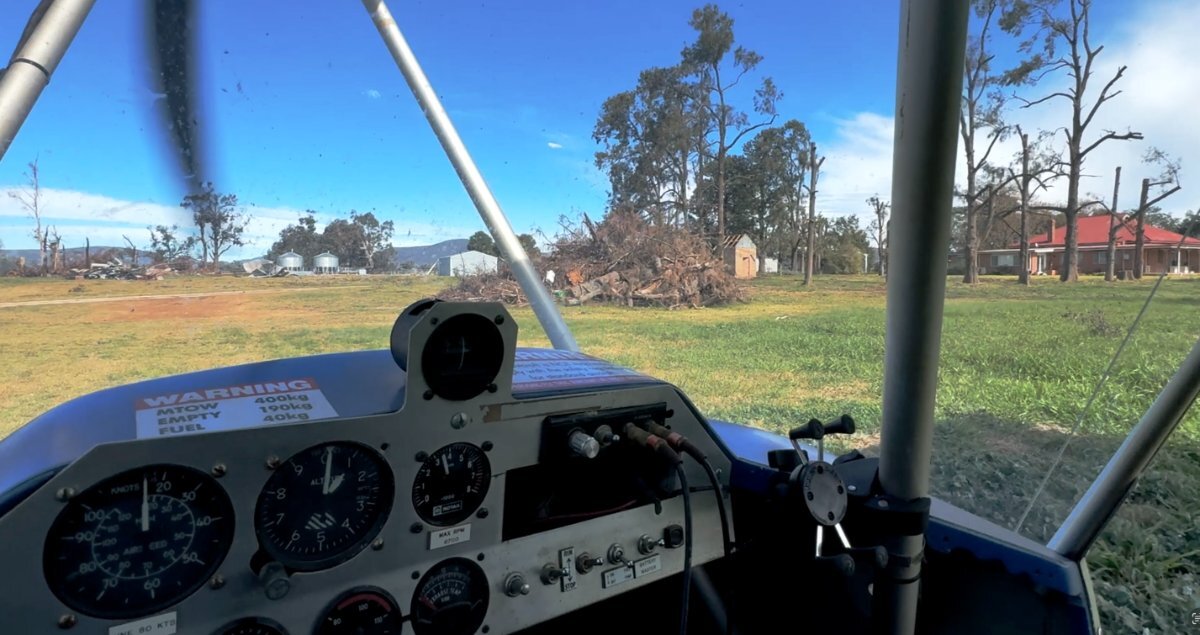
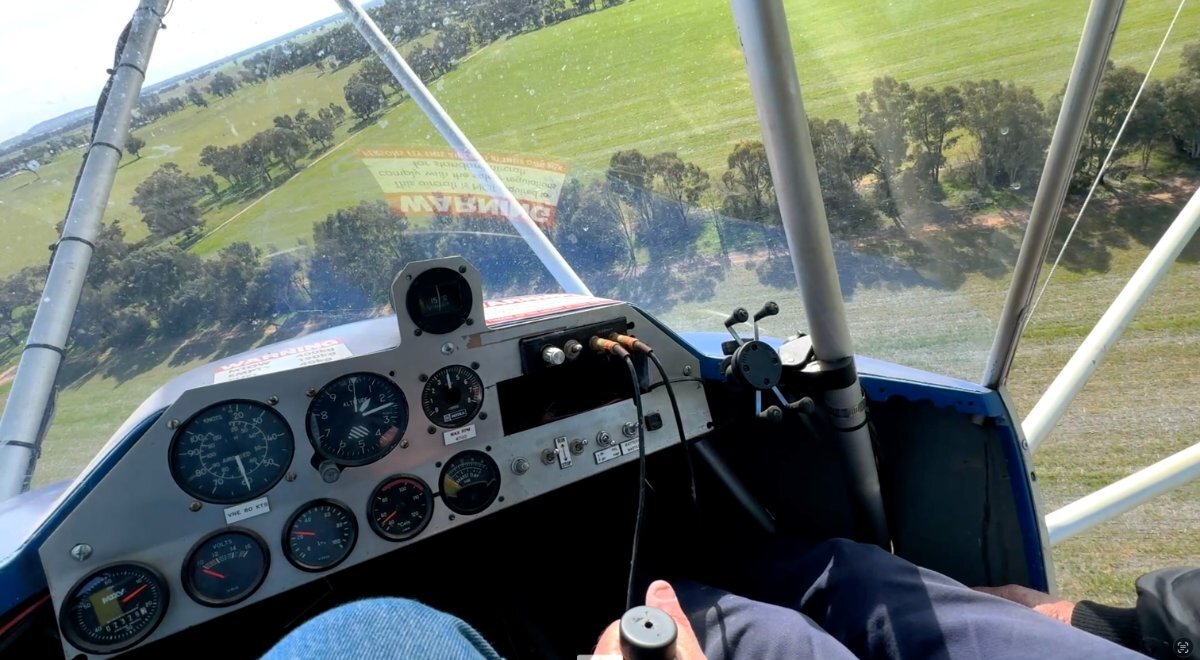
Okay, then. My last flight was absolutely fabulous; chief passenger aboard the trusty thrusty of our (above-mentioned) aviator mate, Thruster88. On Saturday, we rose up, elevator style, from the plane's home dirt near Gooloogong, NSW, . We were on a mission to check out the new farm strip of a mutual friend 25 miles distant.. ('An ideal sector length for type', said the captain. I could see what he meant given that the cabin heat and seat warmers seemed to be broken ;- ) Our T88 sure loves this long time ride of his, this original blue rag n' tuber. And he knows exactly how to be as one with her; sensitive to her every tendency. He might have been a bird in another life. In any case, he's keen to spread the good news through the entire shire. He's notched up a good half-dozen Thruster converts within a 50 mile radius, that is, within a half a day's flying in type. (Ha, ha ... just kidding!! It goes faster with a breeze at its back. Heck, there were even some slow trucks we could keep up with!) And finally, it was back to the X-rated Gooloogong pub for a hamburger, customary for these flighty excursions. All in all, a great morning up and away over the Lachlan! And a reminder of why we, the afflicted, (still) obsess over these (still) amazing flying machines. Thanks again, Stuart! (P.S: Our Thruster88, it should be noted, is also a fan of heavy metal machines like his Beech Musketeer, and that speedy, efficient, RV9A tourer of his. Luckily, all those craft survived the tornado that tore by the homestead just a few weeks back demolishing sheds, silos etc and destroying trees all around the house).
-
The next leg of the Big Lap Video from Slinging Down Under.
Garfly replied to Garfly's topic in Trips/Events/Seats