djpacro
-
Posts
2,979 -
Joined
-
Last visited
-
Days Won
17
Content Type
Profiles
Forums
Gallery
Downloads
Blogs
Events
Store
Aircraft
Resources
Tutorials
Articles
Classifieds
Movies
Books
Community Map
Quizzes
Videos Directory
Everything posted by djpacro
-
Changes to Melbourne Airspace - Airservices Australia
djpacro replied to Jay_1984's topic in AUS/NZ General Discussion
I stopped going to Av... Seminars after their abysmal attempts to tell us about the details in the approaching Part 61. In general, I'd always thought they were preaching to the converted i.e. those who I thought should be going to them never do go to them - off topic, perhaps another thread some other time. The last CASA seminar that I attended was with CASA appoints new Stakeholder Manager - Australian Flying. The venue could hold 200+ people and I had hoped that there'd be that many local pilots with an interest in giving feedback on regulation reform as CASA calls it, but no. Perhaps a dozen of us there, mainly old codgers. He got a clear message that priority is to fix Part 61 - still a long way off that let alone completing the conversion of CAAPs to ACs with guidelines of what the new regs really mean. AND, don't even think of implementing Part 91 until all of the guidance material is also complete. Bottom line is that one must follow a number of CASA comms channels to see what is being discussed - by the time it gets to an AvS... Seminar it is too late to influence the outcome. -
Changes to Melbourne Airspace - Airservices Australia
djpacro replied to Jay_1984's topic in AUS/NZ General Discussion
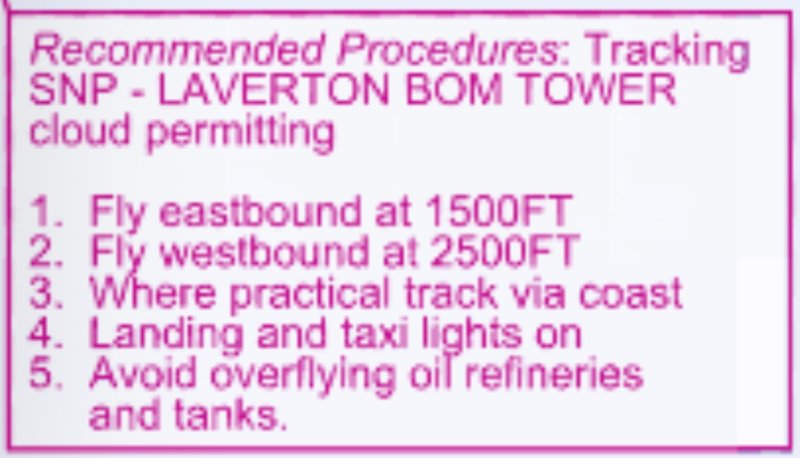
Just some of my thoughts since you asked and I have time on my hands:- I keep tabs on proceedings at RAPAC and provide input to a rep on my favourite topics - I have more issues with pilots who seem unaware of the recommended procedures so eastbound traffic at my height annoys me - being Melbourne, cloud commonly requires us to fly westbound lower than recommended - I have more concerns with the north-eastern lane given the terrain and guidance given on altitudes to fly at - I have more issues with frequent parachute drops at Pt Ormond right over the purple dots of the lane - radio calls on multiple frequencies however students can easily miss calls when focussing on other things (we could discuss what they should be focussing on at the time) - CASA's 2011 Aeronautical Study of Melbourne is a bit dated now but still some current discussion points with recommendations not yet addressed https://www.casa.gov.au/file/119311/download?token=TN_Ip1Rp
-
SportAviation at Tocumwal has a Eurofox.
-
Gerdes A-049? Now Cleveland ... ?
-
Aircraft Weight Control Authority.
-
'Gyrocopter Girl' flies the 'Blackwing'
djpacro replied to Phil Perry's topic in AUS/NZ General Discussion
More added to our ignore lists. -
OzRunways as Nav Student?
djpacro replied to HonkyNerdPilot's topic in Student Pilot & Further Learning
PPL training must be done per the school's Ops Manual; CASA requires commercial ops to include use of EFBs in their Ops Manual - if not included then not approved at your school (I am not aware of any schools at Moorabbin which have EFBs approved for PPL students) and you would need paper stuff - I suggest that you ask your instructor.I also suggest a read of the CAAP on EFBs. Note also that approval of EFBs is for provision of maps etc only, not their GPS function so maintain that distinction always in your mind. PS: I recommend AvPlan. -
Kaz, I don't see an Edge in the photos - Citabria, Extra, DR-107 etc. Not competing this year.
-
Aircraft covers for fabric (Ceconite)
djpacro replied to damiens's topic in Aircraft General Discussion
I used this cover for a couple of years when I didn't have access to a hangar - no effect on the fabric or dope.
-
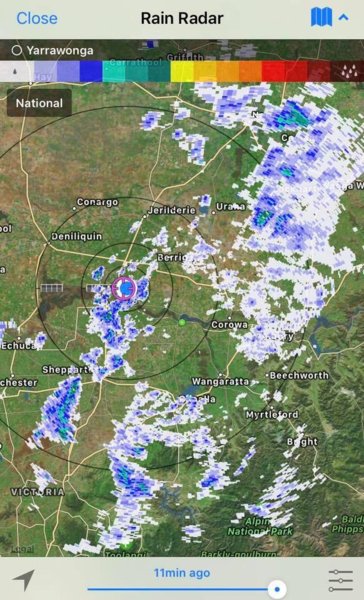
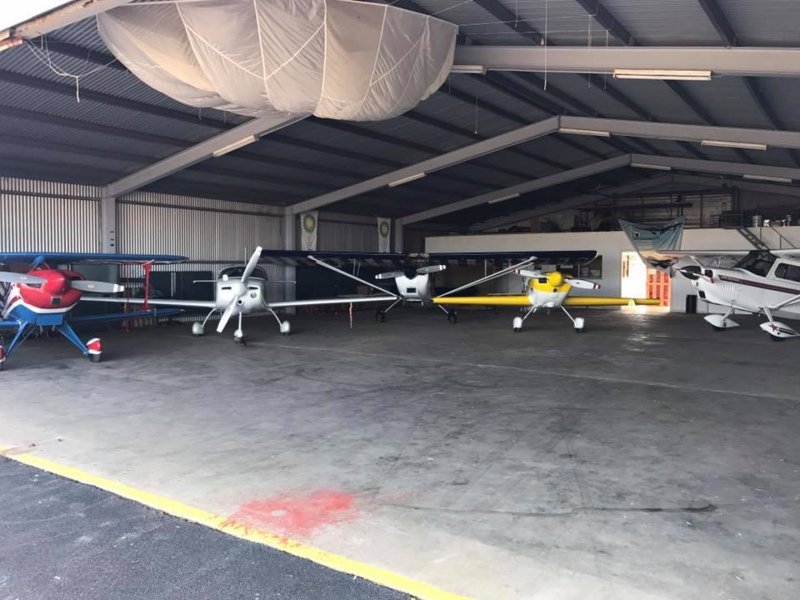
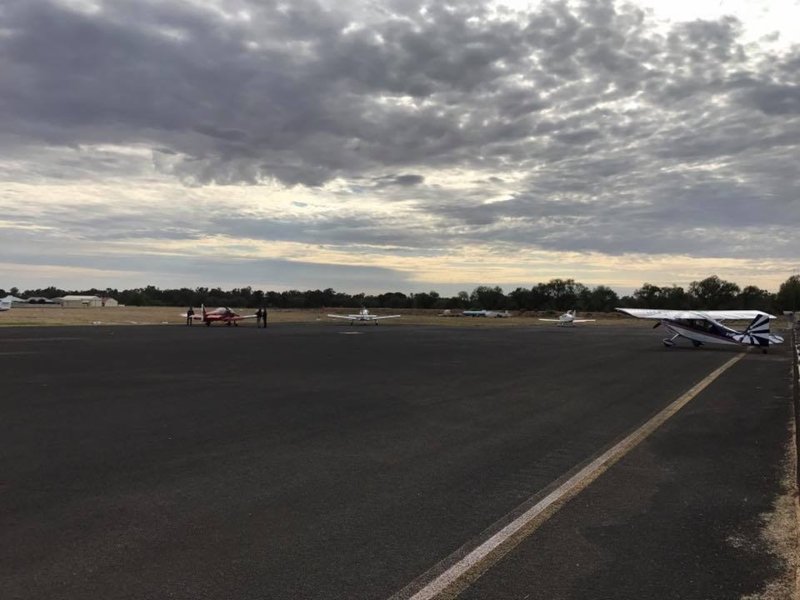
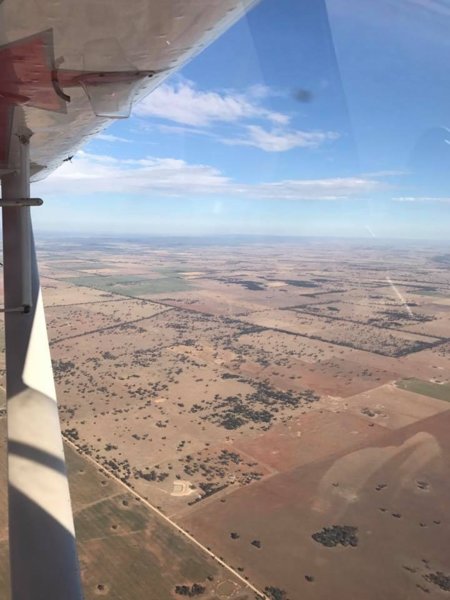
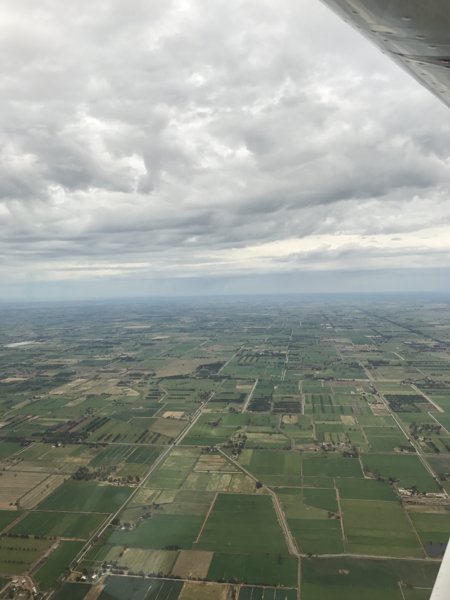
NSW Aerobatic Championships at Narromine recently. I left late Saturday so I wouldn't get stuck there yesterday as everyone else was. A bit of rubbish at Tocumwal but got back to Moorabbin on Sunday morning with strong winds and turbulence (along the Kilmore - Sugarloaf lane). I don't know why people organise aviation events at this time of the year down here. I'm now a fan of Avplan's weather radar overlay and traffic info! (Photos were too large to post previously)
-
Just got back home from Narromine.
-
My Pitts doesn't have a slip ball ...
-
Same with me. My friend was quite familiar with spins in other types. Unfortunately he is not the only person who has failed to recover from a fully developed spin.I agree, an inadvertent spin entry at low altitude is a different issue.
-
but risks another discussion about "the myth of the safe shallow turns".
-
Previous experience toward RPL
djpacro replied to gibson_339's topic in Student Pilot & Further Learning
I saw from your other post that you've just flown at Lilydale so I'd recommend that you talk to Craig and the guys there about this. -
Turbulence and Safe Speeds to Adopt
djpacro replied to poteroo's topic in Student Pilot & Further Learning
It doesn't go far enough positive or negative. Even more so for owners renting their airplanes, as I do. -
How safe is it flying a kit aircraft built by someone else !
djpacro replied to Butch's topic in Aircraft General Discussion
I've never seen a kit built Pitts as good as a factory Pitts and never seen a rebuilt Citabria/Decathlon as good as one from the factory. I've seen some diabolical homebuit Pitts. -
Turbulence and Safe Speeds to Adopt
djpacro replied to poteroo's topic in Student Pilot & Further Learning
Just look at the pictures, you will like Figure A7. -
Turbulence and Safe Speeds to Adopt
djpacro replied to poteroo's topic in Student Pilot & Further Learning
Someone has already done the hard work (for small conventional airplanes):14 CFR Appendix A to Part 23, Simplified Design Load Criteria -
Having an RPC does away with the need for a flight training area if one does not want a nav endorsement. The solution is to get an RPL where that note on consecutive flights does not exist. I know quite a few people without nav endorsements but enjoying aerobatics on an RPL, as I did for many years on the old restricted PPL.
-
Perhaps Latrobe Valley or Drouin.
-
The answer to that question would seem to be found in the meaning of the word "consecutive" - shouldn't be too hard to get the official meaning of that word (with a reference).As for the rules from CASA on the RPL and their advice, as distinct from what is in an Ops Manual anywhere: As for getting the nav endorsement on an RPL, CASA says nothing about now being entitled to land at another airfield and without the nav endorsement there is nothing about requiring a return to the departure airfield, nothing about limitations on consecutive flights. If one had an RPL and owned his/her own aeroplane then note that first bit of advice above and read what CASA says are the limitations of the licence - it is not that hard to read words and understand them. As for the risk of getting into trouble on a 25 nm flight 25 nm have a look at what this flying school promotes as the privileges of an RPL: Top 10 Things to See with your RPL – Sydney
-
Obesity | Civil Aviation Safety Authority
-
AirVenture funding crisis - Facebook statements.
djpacro replied to waraton's topic in Trips/Events/Seats
I wonder if he had just read the new regulation -
showing a degree, not 60 however, of importenter


.jpg.443deac1f7f5465cc0626134503d2156.jpg)