


skippydiesel
-
Posts
7,611 -
Joined
-
Last visited
-
Days Won
73
Content Type
Profiles
Forums
Gallery
Downloads
Blogs
Events
Store
Aircraft
Resources
Tutorials
Articles
Classifieds
Movies
Books
Community Map
Quizzes
Videos Directory
Posts posted by skippydiesel
-
-
Paul - I am guessing that it may be hard to find a gauge/sender that just does L/hr. I think you might have to compromise & go with a fuel computer, that will certainly give you L/hr but also, fuel used/fuel remaining and quite probably accumulated fuel used since last zeroed.
-
 1
1
-
-
Hi Paul - what information are you hoping to get from this fuel flow meter?
If you go back, this section, to about the 10 March, you will find a fair bit of information about Fuel Computers - which also give flow.
-
It is completely unethical for the auctioneer (house) to be both seller and bidder - I include bidding by the auctioneers representative in this.
We live in a strange wold indeed - costly legislation to achieve no discernible benefit (eg ASIC system) is rushed in unopposed, while at the same time the doubtful ethics/morality of auction houses continues, with tasset approval.
-
 1
1
-
1
-
-
3 hours ago, Admin said:
Yes, the post was removed due to several complaints. Please read the site rules
Thanks Ian - I guess you are referring to Rule2 section 5 which basically empowers anyone without a sense of humour to complain and be heard - no need to respond - I am very disappointed.
-
Gday Ian - Not sure if it was my warped sense of humour Or geriatric computer incompetence but a post poking a bit of "tongue in cheek" fun at Jab (engine) operators seems to have disappeared - hope I wasn't censored, I would be very disappointed at this Forums Admin if so.
-
14 hours ago, walrus said:
Skippy, why? why? Because in the renewal I am asked to provide exactly the same information as I provided the last four times ai renewed my ASIC! This includes producing the same birth certificate, passport drivers licence, addresses as before! And this is supposed to be the digital age?
All that should be required is a new photo, updated address and a declaration on one half page
Walrus me old kipper; I have yet to hear a single pilot support the ASIC system, when/where applied to regional (security controlled) airports/fields. Logic would suggest, that if no one supports the system, no one should apply for an ASIC.
Australians are not the most demonstrative democratic people on earth (that's probably the French) but one thing we do well, is just ignore ridiculous laws/rules.
With a few exceptions (no personal experience of the exceptions) it would seem that most regional security controlled airfields have allowed the ASIC to slip into redundancy (see above comment).
Reason would then suggest that your tasset support (applying for a renewal and funding the system through financial contribution) of the ASIC is 1. without peer support 2. functional application, therefore 3. without merit.
So I return to the question WHY?????
-
1
-
-
1 hour ago, jackc said:
Unfortunately this is something that can never happen again, despite more modern airframes and engines.
Why?
A Pipistrelle Virus SW did the flight via Lord How a few years back
-
14 minutes ago, F10 said:
That looks cool! What type of pump is that? Superchreap Aeronautics or Range & Endurance Performance Co seem to only sell the solenoid type? Is that a fuel pump or some other fluid pump? Where do you get them? I mounted my Mr Funnel, onto a piece of foam backed plywood, so at least it sits upright on the wing, unaided. No more training my pet octopus to fuel out of a can, hold the funnel, hold the can, hang onto the wing, wipe spilled fuel before it runs over the rear deck Lexan windows, re-attach the bonding clamp........
Hi F10,
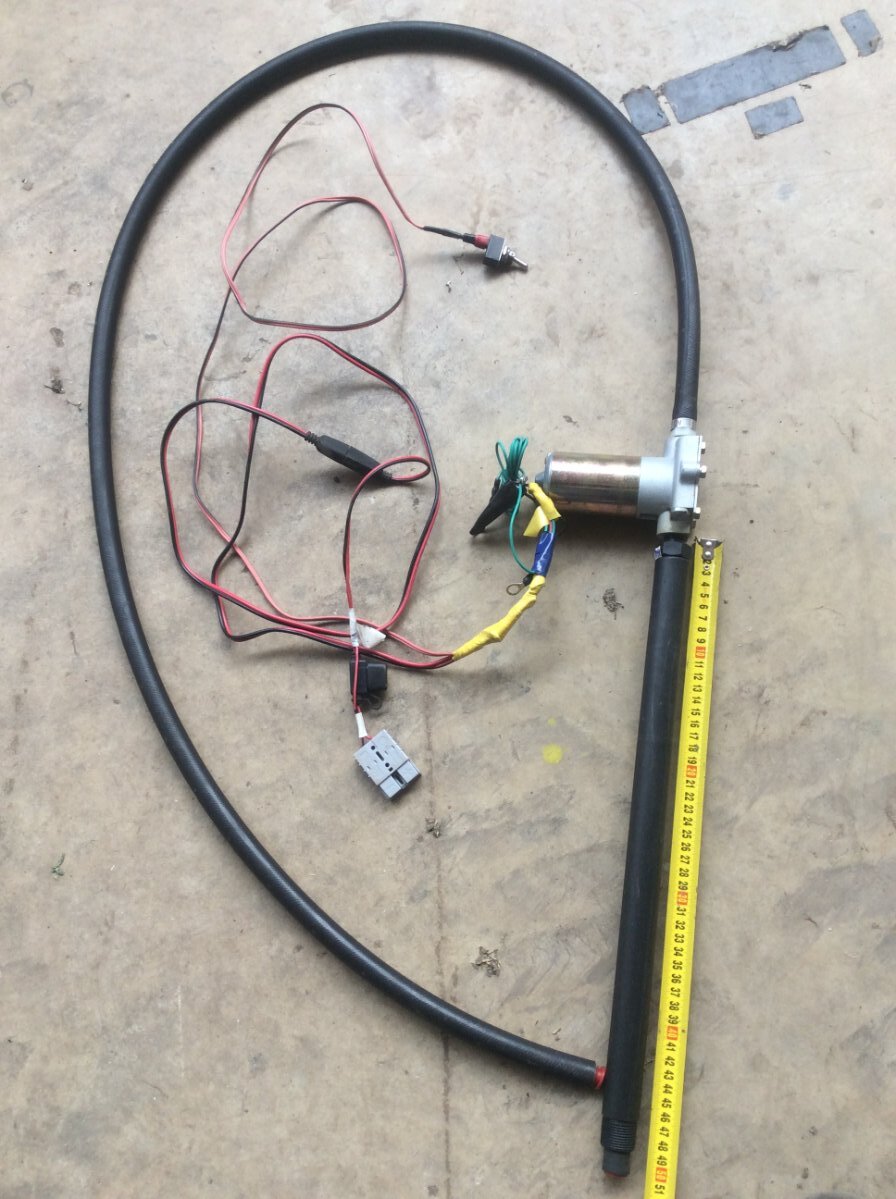
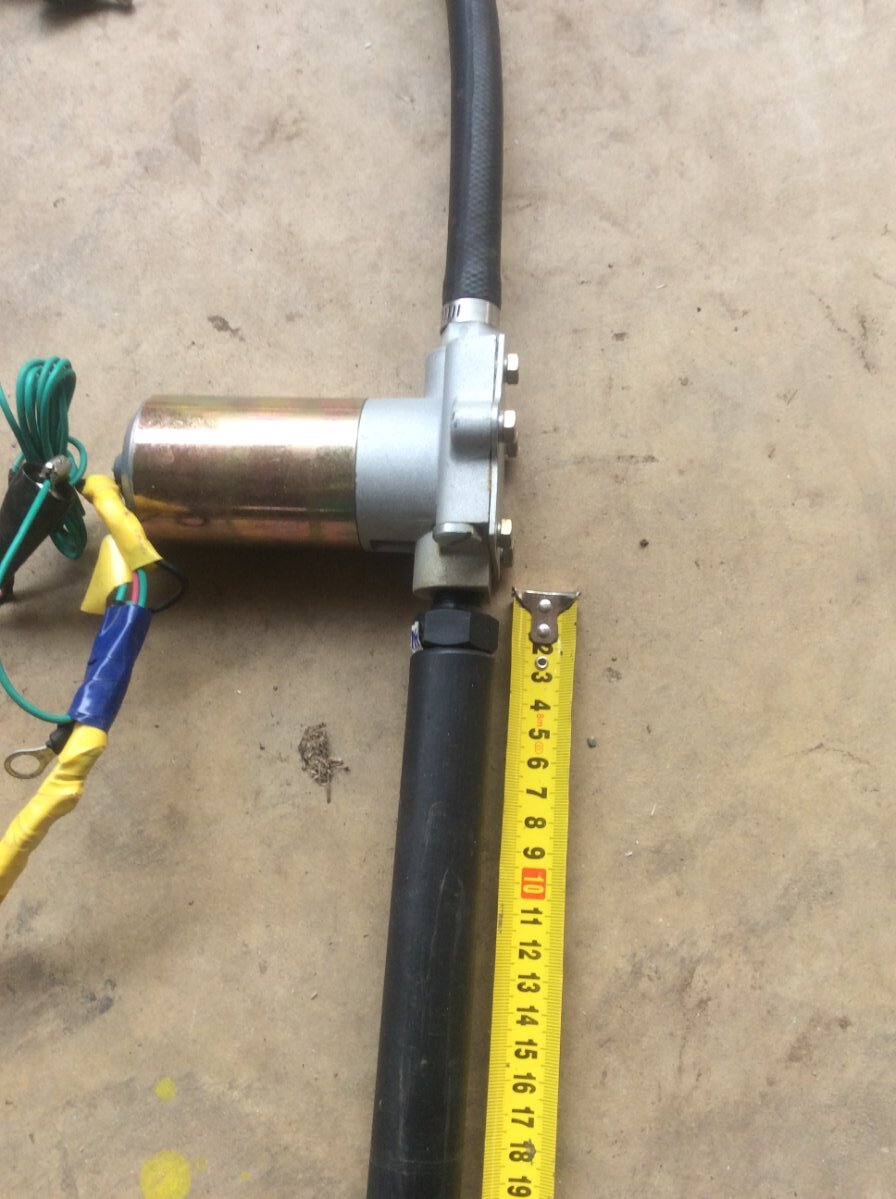
The pump is a Chinese copy of a Holly (USA) high performance fuel/petrol transfer pump - used in muscle car type applications. So it's a genuine petrol (as apposed to diesel) fuel pump. Cant remember the performance statistics but I find it empties a 20 L container in a very few minutes. For the best price, find them on line in the $60-80 bracket (a genuine Holly is in the many $100's).
Yeah! Mr Funnel has 3 drawbacks - 1. high price, 2. hard to find a stable position, 3. they retain a few mm of petrol/water i the "sump" that inevitably spills onto something you dont want it to.
One of the good points of my pump is that you can hold the fuel delivery end in one hand, the other hand can hold the on/off switch & steady the funnel.
I did try having an "in line" filter on the pump suction side but it cut down the delivery volume a bit too much and the filter was to big to fit into some of my fuel containers.
-
1
-
-
16 hours ago, walrus said:
applied for renewal today - an unecessary PITA.
WHY??????
-
10 hours ago, walrus said:
I still require the step ladder in addition to the jerry cans. Ikea seems to be best, but takes up space.
Walrus me old mate! I & many others have already posted suggestions on this: I have been using this home made vain pump for some years now. Completely removes the need to lift "jerry" cans. I plug into "ship" power (Anderson plug). You will still need a light folding step to reach up to the over wing filling point, there are lots of options out there. I plug the open end of hose & spear(polly riser) when not in use. The spear can be easily removed to take up less room in the aircraft. The pump (a Chinese Holly copy) is self priming. Whole thing cost about $90. I would also sugest the use of a filter funnel - I made my own but you can purchase a "Mr Funnel."

-
3 hours ago, walrus said:
KGW, I always use mogas from a busy brand name station. However if you are touring, you are stuck with using Avgas from the bowser as very few airports have mogas dispensers. The alternative is the tedious business of jerry cans and taxis - and I fully expect airports will eventually ban that practise - for (ahem)safety reasons of course.
Collapsible 20L x 2 bladders make life a great deal easier and I have yet to see any airport persons take interest in my fueling activities - why would they ban something hey dont even see?
-
Ah! Caster Oil/Castrol R - takes me back to the sixties, when my mates & I would pool are pocket money to purchase a gallon. It was then dolled out , tea spoon at a time, into each of our BSA 2/ - not as an effective mix but to get the right smell from the exhaust.
-
2 hours ago, pmccarthy said:
Plenty of people paying around $200K for new RAA aircraft these days.
I wish that were true - prices for new factory built, Rotax 91 powered aircraft actually start at about $130+ landed in Au. For sure you can pay $200K and then another $100K if you so please. The price seems to reflect styling and hype more than performance. Oh and then there is the person who wants the very latest gadget laden panel - anywhere from an additional $20K to the sky (+ $100K)
Very advanced kits, can make a lot of sense for the person looking for the best performance dollar.
-
26 minutes ago, F10 said:
I’ve seen slotted type clamps that don’t have slots cut into them, but rather raised ridges that the worm gear screw tightens on, so the band clamping the hose is a solid smooth strap. That should be fine. We bought a whole box of those spring loaded type clamps you need to compress the tangs on the clamp to slide it onto the hose end. They seem good for smaller hose applications, provide an even pressure around the hose I think.
As far as I know, unless you specify fuel injected (FI) clamps, you will not get the ones that resist damage to the hose. Your "garden" variety clamp does not have the extended "tongue" to prevent pinching.
Personally I would have reservations about using the"spring loaded" clamps on an aircraft, however my Ford Ranger has them on all hoses, big & small, and they seem to be quite effective. My guess is that the "key" to using them is being anal about size matching.
-
1
-
-
40 minutes ago, jackc said:
These people have a good range of clamps I am going to look into......
https://www.tridon.com.au/products/Tridon/35/480/hose-clamps
Nothing wrong with Tridon but be sure to only purchase the EFI clamps
-
2 hours ago, biggles said:
Those open slotted hose clamps sure do damage hoses, particularly if overtightened. These were apparently on a motor vehicle, but have no place on an aircraft engine..... Bob
Biggles: The overwhelming advice, for years now, from all sorts of interested parties, is not to use traditional worm drive hose clamps on aircraft hoses. There are a number of designs which are okay - they all provide 360 degree , even pressure without damaging the hose. If you need to clamp tightly, to prevent leakage, you are most likely to be using the wrong sized hose for the job.
-
 1
1
-
-
2 hours ago, onetrack said:
I would never use anything from Supercheap on an aircraft, because Supercheap focus 100% on the cheapest products they can find, to produce the maximum profit.
There's a lot of rubbishy rubber products that come out of Malaysia, Indonesia and China, that Supercheap mostly specialise in. If you want quality in rubber components, you use Gates products, and Gates Green Stripe where possible.
Anything designed for Marine use normally has superior quality in construction style and materials.
Rubber components are the weak link in every engine system. Anything you can do to reduce the amount of rubber in an aircraft is going to appreciably increase that aircrafts safety level.
If it was my choice, and my aircraft (and I don't own an aircraft), I'd be choosing to eliminate as many rubber/rubberised hoses, as I possibly could.
Any hose that is red or yellow coloured has a short life, due to more rapid and more intense UV absorption. Green-coloured hose has the longest life, due to minimal UV absorption.
Careful there One Track - metal lines (the most likely alternative), are not without problems. Vibration/resonance has been known to fatigue metal tubes, resultant leak over a hot engine may be a bit uncomfortable (me old mate F10 will bee alarmed ).
The conservative 5 year Rotax recommendation for the replacement of rubber components, related to the engine, PROVIDED quality products are used (quality does not necessarily = cost) almost guarantees safety in this context.
I am 110% with you on the SCA parts - I am am happy to use all sorts of" stuff", from any source (including Bunnings Aero Space) but draw the line on using anything that may adversely effect the continuance of safe flight.
The cheery colouring of hoses, is unlikely to indicate anything about the hoses performance - its a marketing tool. Want to get some idea if a hose will "do the job" for you ? - look up its specifications. No/limited specs - dont purchase.
-
1
-
-
11 hours ago, F10 said:
No, the Gazelle has coolant rad setup unique to it, as do Kitfox, Eurofox, all slightly different rad positioning. So we had to rummage through the hose bends bin at "Supercheap Aerospace" to get the right bend size and then cut the pipe length as required. Some say, SCA fuel pipe is dodgy, well its pretty thick fuel pipe with a good grippy softish feel, I have used it before, it's tough, simple, handles Mogas just fine. Lasts forever in most old Holden of Falcon wagons...Like I said, I plan to inspect the engine on a regular basis, the Gazelle is good in that the cowling is just two pieces, top and bottom, easy to remove. Take them off and the whole engine is exposed. Good advice I was given is to choose a fuel line or coolant line and carefully follow it over the engine beginning to end. Then choose and follow another. Don't try look over the whole engine as such, its too much information to take in one hit, so you may miss something.
So you are able to get the same level of specification information for a SCA supplied hose as you are for a Gates (from Repco) ?????
I confess, I misused the loose float bowl (focused in on the hose) so well done F10 - this is definitely the sort of avoidable error that may cause a fire - far more so than correctly fitted fuel hoses.
-
1
-
-
3 hours ago, John Robert said:
This link will resolve any disagreement about Rotax approval of Teflon hoses.<https://legacy.rotaxowner.com/si_tb_info/serviceinfo/si-912-022.pdf>
As in rubber hoses there are different qualities in Teflon. I have read that non conductive hoses are the best. I would spend some time researching specifications before I fitted them. They cannot be fitted to the standard barbed fittings used for rubber hoses. So that requires replacement of all fittings. The kit cost is about Au $2000 + shipping for all oil & fuel hoses with fire sleeves. The supplier for Vans Aircraft tests each hose after assembly. Seems like a lot of $ but it would reduce the labour on the first install with no other costs after that. The value of the additional safety with the fire sleeves would depend on the individual. Personally I would not want to fly without the fire sleeve especially as the CT does not have a steel firewall.
Everyone assess risk differently - use good quality hose every 5 years, look after your electrical security and it is most unlikely you will experience a fire as a result of a spit hose or an arcing wire. I have never heard of this in a well maintained aircraft, & I suggest its rare across all sport aircraft. If it improves your feeling of security - go with it but doubt the cost effectiveness of the (Teflon).
This is a debate that has no right/ wrong, very similar to the ballistic parachute
-
56 minutes ago, John Robert said:
Skippy, you misquoted me. I hope you understand technical instructions better than your understanding of what I wrote. I said "I hung the piece of hose on my hangar wall & left it until the next rubber change at which time I was able to break pieces off it." I have always changed my rubber hoses at the 5 years recommended time. "My friend was considering" but has not done the Rubber change yet. Rotax actually use some teflon hoses, cost is maybe what prevents them from having all teflon. If I consider the fact that often the fire sleeve is damaged after the removal of the old hose, & it is much more expensive than the hose. Add the cost of 4 new clamps for the hose & sleeve per length, I dont use Jubilee clips just single ear stepless SS. hose clips. There is a good argument for the teflon kit which is recommended by Van's for the RV 12. If you check on the specs of Teflon hose you may find that there will be zero fuel vaporisation through the hose. Often if something looks fantastic it usually is. I have almost justified the cost of the kit to myself for the next change.
Maaaate! - I may have misunderstood a little (my apologizes) but at the end of the day, when it concerns the engine, Rotax is the authority you should be listening to, not the airframe manufacturer. Remember Rotax 91 engines, motivate a very wide range of aircraft (certified, LSA & experimental) - the engine does not change and neither should your source of information.
On the clamps/clips - use whatever you prefer ,the main thing is that the clamps are the right size for the job, provide a 360 even pressure, do not damage the hose and are not done up to tight - clamps are primarily for security, not for preventing leaks. Personally I use fuel injection clamps.
-
2 hours ago, John Robert said:
I thought that it was compulsory to use a fire sleeve with all fuel & oil lines inside the cowls. Compulsory or not I would not have a naked fuel or oil line around a hot engine without a fire sleeve. My first rubber change from new in 2011 had me tugging & twisting to remove a Gates hose fitted as an original. It still felt soft & pliable & I was wondering if it was really necessary. Changed my opinion when the hose broke & I examined the cords. A fuel line should not break, I hung it on the hangar wall as a reminder & when I did the next rubber change looked at it again. At 10 years old the hose had surface cracks & it was possible to break pieces off . Maybe it was a faulty batch, its still on the hangar wall ready to show anyone who is reluctant to do the 5 year rubber change. Some Flight Design owners in the US had problems with rubber sharves in the Bing float chambers. This was found to be only when they had fitted fuel injection hoses. The reasoning was that the injection hose is much harder & quite difficult to fit . Twisting & pushing was deemed to be the cause of the slivers of rubber finding its way into the carb & causing engine problems often intermittent & difficult to diagnose. It is not necessary to use a high pressure hose designed for fuel injection on a Bing carb that cannot handle above 5PSI. There could also be an argument that the low pressure hose will compress more easily to give a better seal with lower tension on the fitting. The Rotax fuel pump at one time was not included in the rubber change. It is now & if you have noticed how flimsy the diaphram is for the Bing carbs there is also a similar one in the fuel pump. A shame they do not fit a serviceable pump so the diaphragm can be replaced.
A friend was considering fitting the Teflon hoses which do not have a timed life. They look fantastic,I was given this link but have no experience with this company <http://aircraftspecialty.com/RV12Fuelkit.html>.
It is good to have these discussions about critical maintenance there is so much to learn on some of the websites.
I have always used Gates fuel injection hose - never even had a hint of a problem (see above post to F10). I think it more likely that:
- People fail to blow out (HP air) the hoses befor fitting, thus removing any "swarf" from the cutting to length process
- Do not use proper hose cutters (cheap as), leading to a lot of swarf generation
- If fitting is the problem, you have described, they are trying to fit the wrong ID hose - no problemo IF you get the right hose for the job
- Like you, have kept the hose in service, well past the Rotax recommended 5 year change interval.
Picky, I apologise, but the Max fuel pressure is closer to 6 psi
"A friend was considering fitting the Teflon hoses which do not have a timed life."
I dont get it. Rotax make a recommendation based on their experience & rigorously conducted trials. Your mate goes out and pays "an arm and a leg" for a product, not recognised by Rotax, when he could probably do 50/5 years of Gates fuel hose for a similar price and stay within Rotax recommendations - Oh I forget "They look fantastic"
-
12 hours ago, F10 said:
Also did a 5 year rubber and annual on our Gazelle. 5 year kit from Floods Imports. Came with coolant oil pipes, new fuel pump, old one was fine I think, but it has rubber in it so....out went what was probably a perfectly good pump. Maybe I can give it ti a car crazy mate. Also, kit had new Bing carb rubber diaphragms. Easy to fit, just line up the little tangs on the edges of the diaphragms with carb body and chamber lid. Sounds complicated but it's not. No fuel hose as such or fire protection sheathing, so you have to supply. I don't think its specified, but fire sheathing a good thing on fuel pump hoses.
Location of fuel pump on reduction gearbox (Rotax 912) will mean any leak will go all over the top of a hot engine....You will hear a "whoof" and it won't be a dog. So we replaced all our fuel hosing with new, bought from "Supercheap Aerospace". I plan to carry out regular inspections of all hoses, on those weather days, when it's no point getting her out the hangar. The Gazelles had this weird transparent sheathing over all the fuel hoses in the cabin, a sort of double layer, to capture leaking fuel it seems. It was all old and cracked in places, so we got rid of it. Probably a carry over from it's VH-IOP rego days.
Ordered new plugs with the 5 year kit, they came with heat paste already put on the threads, nice touch but we did pay for it.
Maaate! Buying, unknown quality, hoses from SCA is a completely unnecessary risk and no saving in $$$
I have used Gates fuel & coolant hoses, purchased through Repco, for 12 years or so. You can look up (Google) the specifications on all Gates products - try thet with SCA
I personally use fuel injected rated hose, as it gives lower permiability, higher heat/fire resistance and has a working pressure that a Rotax fuel system will never even come close too. Cost per m is only slightly more than carburetor hose (remember Repco sales people can negotiate on the price so do so)
After 5 years, my hoses are in such good condition, they get re used on my land based machinery.
I used automotive insulating sleeve on my over engine fuel lines - mainly to reduce (sadly not eliminate) fuel vaporisation.
Don't know what fuel pump you have fitted but if its the latest generation (which it should be), it has a fuel/oil bleed point, that you are supposed to fit a hose to, to exit any leaks overboard, well away from the hot engine/exhaust.
-
OMG!!!! - You guys are soooo negative -Ref rebuilds: a conscientious owner has already obtain a full engine inspection and "sign off" from Bert Flood Rotax, applied the recommended "storage" regime to prevent all of the possible problems, of which you mention.
Further, you make such sweeping statements, without any consideration to the obvious huge variation, in the degree of damage sustained. This could be anything from a minor ground incident to an unrecoverable airframe, with every "shade of grey" between.
-
2 hours ago, waraton said:
This is an old thread but relevant to a hangar chat I had today where we wondering how many projects get delivered and never opened or started and never completed. Do you know of any examples at your airfield?
Waraton; My ATEC Zephyr (originally a kit) is in need of a partial rebuild (a very cheap way to enter the world of RAA aircraft ownership). This is/was an exceptional aircraft with an astonishingly wide flight envelope. beautifully intuitive to fly and economical to operate. As Walrus (above) alluded, time starts to run out and rebuilding is not something I wish to do at this stage in my life. Happy to supply all the details including photos to anyone who may be interested.
Cylinder Head Temps not even Rotax 912ULS
in Engines and Props
Posted
Faulty sensor??? Faulty wiring/connector???
We all tend to treat our various engine condition read outs as accurate - at best the automotive type sensors & gauges (if steam) are indicators ie not precise. Faults at both the sensor end and head (gauge) end, are very common.