pylon500
-
Posts
1,423 -
Joined
-
Last visited
-
Days Won
9
Content Type
Profiles
Forums
Gallery
Downloads
Blogs
Events
Store
Aircraft
Resources
Tutorials
Articles
Classifieds
Movies
Books
Community Map
Quizzes
Videos Directory
Everything posted by pylon500
-
Hope he goes with the Napier, otherwise he just has a weird Fury if he uses a Centaurus.
-

Barney Oldfield Baby Lakes 19-1324 Whereabouts
pylon500 replied to ave8rr's topic in AUS/NZ General Discussion
I think I've seen BIGGER models. -
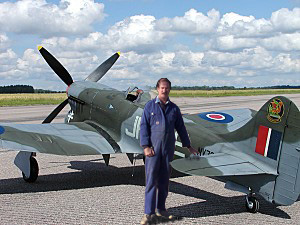
Actually I moved up(?) to a Tempest. Got some drawings, and a bit of photoshop... Strangely enough, if fitted with a 912s, it will actually sound like a real one!!

-
Barney Oldfield Baby Lakes 19-1324 Whereabouts
pylon500 replied to ave8rr's topic in AUS/NZ General Discussion
You mean this one? -
Please buy it Riley, with all the projects I've got cluttering up my hangar, it's the last thing I need (even though I want it...). Besides, I've only got one R2800, and it's earmarked for my Murphy Renegade/Stearman conversion (project #3 of about 6). https://picasaweb.google.com/113292981019876413104/MurphyRenegadeStearmanProject
-
Good to see someone not knocking the Zero because of it's cultural heritage. I try not to worry too much where a plane came from, just it's effectiveness as an aeroplane, and to that end, the Zero is a brilliant piece of design and construction work. I've often looked at various warbirds with an aim of making scaled ultralight versions. All the 'usual suspects' have been done, but the Zero seems missing, and would make a great counterpoint to the Titan 51, or Sullivan Spitfire. Could be built light enough to be powered by the usual 912s, or be fitted with a Rotec radial...
-
WOW, Already? Or am I just not admitting how old I am? (First flight 1997)
-
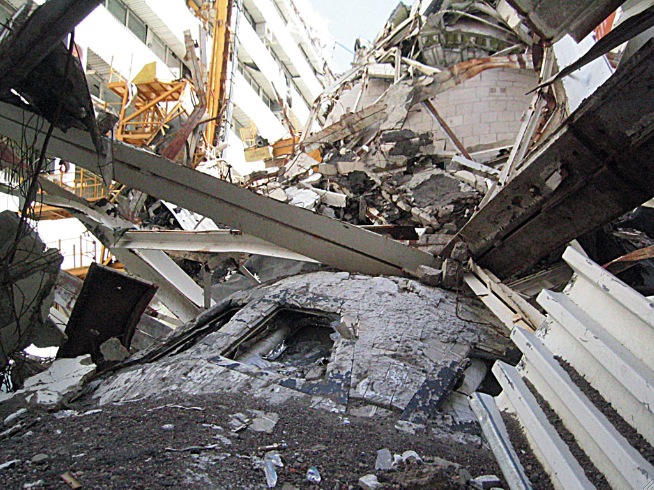
Actually it gets worse, during a heavy snowstorm the Buran hangar collapsed, killing some workers and destroying the Buran. Full story here; http://www.buran-energia.com/bourane-buran/bourane-fin.php
-
So does this camping issue suggest that the flying displays will be over parked aircraft? This will be at odds with the past where ALL parking areas have been pedestrian areas at past Narromines'... From sydney, you are looking at around a four to five hour drive (one way), depending on how pushy you are.. Longer if you believe Google Earth!
-
Slightly off topic, but I was trolling around the Top Gear track/airport (looking at abandoned aircraft/airports), and found while looking at Heathrow, if you open the time scale in Google Earth (not maps), you can scroll backwards to [bold]1945[/b]!! Some airfields that have disappeared completely.
-
Thought it might have been at Kamloops in Canada, but then noticed the US rego's.. Don't know if this will work but; <32º060'27.56"N, 84°11'18.82"W.>
-
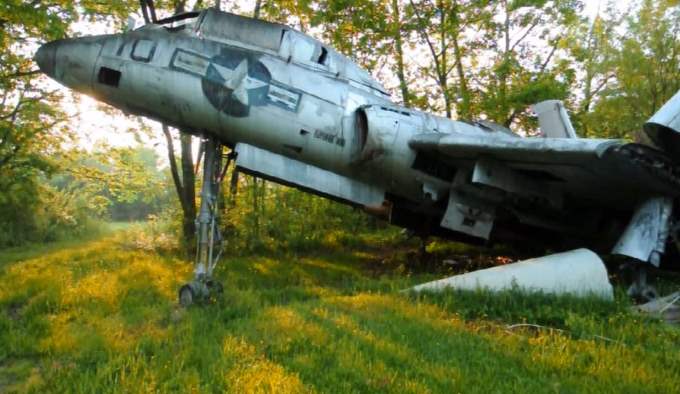
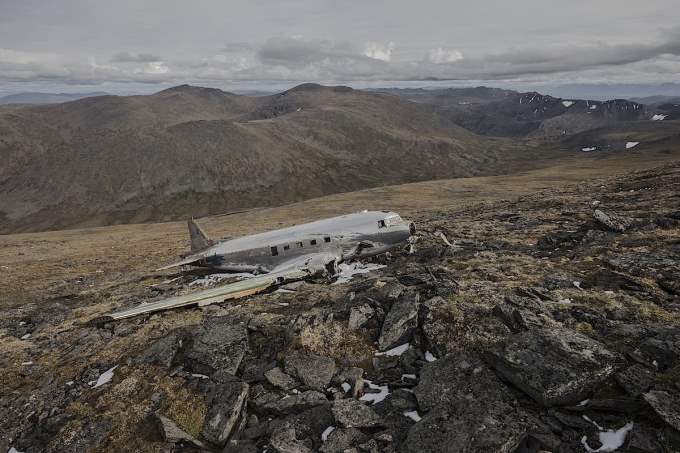
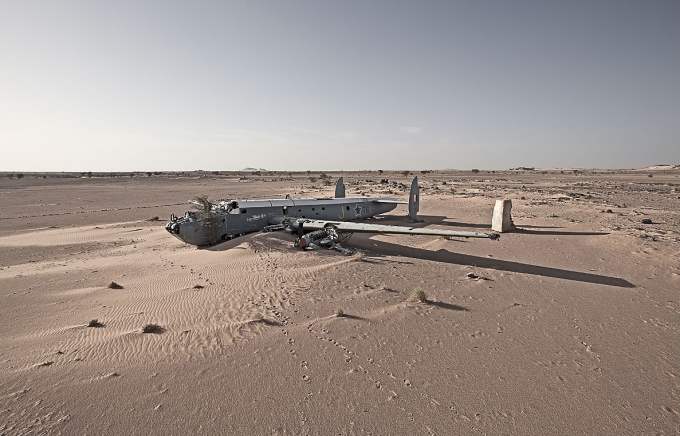
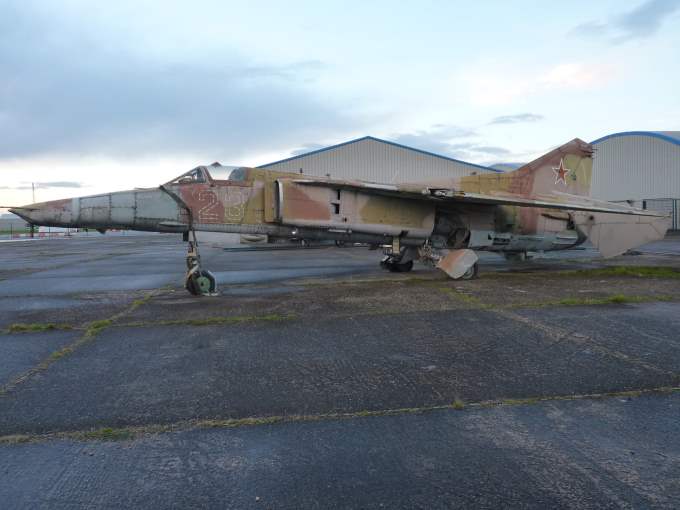
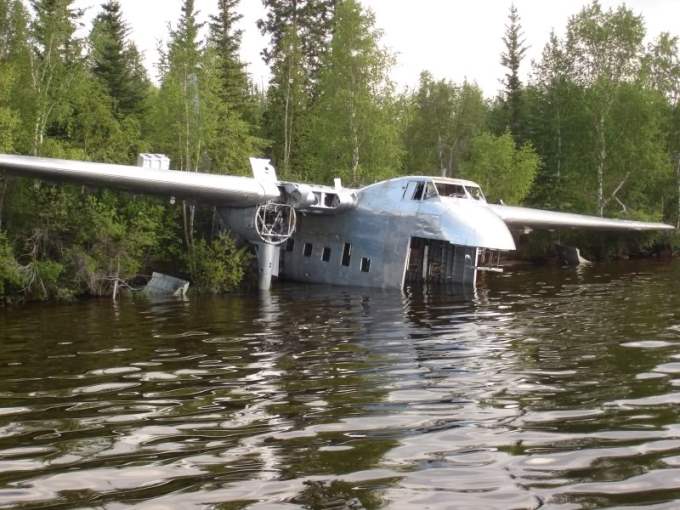
Had seen this link, but was trying to find another one so as not to inflict all the other crap on that site. Probably easier to just post them here, some had comments, but not a great deal to learn from, so here we go..... Searching the net, there are lots of 'abandoned' aircraft around the world, for all sorts of reasons. Seems a shame but....
-
Giles-202 Inflight Break Up USA
pylon500 replied to Rotorwork's topic in Aircraft Incidents and Accidents
After more review, there appear to be parts separating on the way down, canopy? Maybe he was trying to get out... -
Giles-202 Inflight Break Up USA
pylon500 replied to Rotorwork's topic in Aircraft Incidents and Accidents
They probably all do, but timing the video, he only had about 7 seconds from breakup to impact. Take out the 'What the hell?' time, doesn't give him much left... RIP. -
That club (SRFC) started with two strokes, so you never knew if the motor was going to keep running, and the habit seemed a good idea. Flame suit on..The other club flies Jabiru's..... Maybe they should start flying closer circuits?
-
Well, looking back on my 3500+hrs in 80 odd different ultralight types over the past 25 odd years, I was very surprised how badly I flew a glider for the first time in 30 odd years. When I left gliding back then, I had near 200 hours, Silver C, and around 20 odd types (from Kooka' to Jantar), but getting into a K21, I was all over the place. What I'm getting at is that with less than 100 hours, you may just be biting off a bit much, not doubting your ability to learn multiple streams, but the variation between these disciplines can be vague and maybe contradictory. Maybe get fully compliant with one field, so that when you try another, you will see the differences and know what to, and not to, do while involved with each in turn. I hope this doesn't seem harsh, hopefully I'm wrong, and at this early stage of all your learning you can/will become multi capable, but it will take a real effort to separate and understand the differences.
-
Well, looking back on my 3500+hrs in 80 odd different ultralight types over the past 25 odd years, I was very surprised how badly I flew a glider for the first time in 30 odd years. When I left gliding back then, I had near 200 hours, Silver C, and around 20 odd types (from Kooka' to Jantar), but getting into a K21, I was all over the place. What I'm getting at is that with less than 100 hours, you may just be biting off a bit much, not doubting your ability to learn multiple streams, but the variation between these disciplines can be vague and maybe contradictory. Maybe get fully compliant with one field, so that when you try another, you will see the differences and know what to, and not to, do while involved with each in turn. I hope this doesn't seem harsh, hopefully I'm wrong, and at this early stage of all your learning you can/will become multi capable, but it will take a real effort to separate and understand the differences.
-
An often forgotten part of doing circuits, is to be within gliding distance of the strip for as much time as possible (flying ultralights that is), so when I see people on downwind two or three miles out, I'm often tempted to call. 'You've just had an engine failure, were are you going to land?' Bit silly to be looking around picking paddocks when you just took off from a serviceable runway !!? I've been in circuit in a Lightwing following Jabiru's around, and with both of us on downwind you get the impression the jabiru is leaving the circuit as they are so far away. I have called and asked 'Do you have a flightplan for that circuit?'
-
An often forgotten part of doing circuits, is to be within gliding distance of the strip for as much time as possible (flying ultralights that is), so when I see people on downwind two or three miles out, I'm often tempted to call. 'You've just had an engine failure, were are you going to land?' Bit silly to be looking around picking paddocks when you just took off from a serviceable runway !!? I've been in circuit in a Lightwing following Jabiru's around, and with both of us on downwind you get the impression the jabiru is leaving the circuit as they are so far away. I have called and asked 'Do you have a flightplan for that circuit?'
-
Not as easy as it sounds and the tendency is to do shotgun policing (no, not shooting the damn things), as in everyone gets hassled and/or regulated, often missing the culprit in the end anyway. Yep, big high energy strobes sounds like a good idea, by the time you see one of these things, it will be as the bits start raining on your windscreen.
-
Not as easy as it sounds and the tendency is to do shotgun policing (no, not shooting the damn things), as in everyone gets hassled and/or regulated, often missing the culprit in the end anyway. Yep, big high energy strobes sounds like a good idea, by the time you see one of these things, it will be as the bits start raining on your windscreen.
-
I guess if you look at it from a geometrical aspect, when doing a glide approach, you have a (reasonably) constant descent rate so from the downwind leg to touchdown needs to be a constant angle. This would dictate flying a constant curve to stay on angle, which by comparison means a square circuit requires flying outside the glide angle at the corners, while flying inside the glide angle on the legs. The proponents of circular circuits will tell you this, and point out that the aiming point is constantly changing it's angle when viewed around the square circuit. To that end, many square circuit flyers (maybe not even realising that they do it) will be using ground reference points to pick up there circuit height/position. Square circuit flyers are more likely to use power to correct falling short, while circling flyers are more likely to cram their circuit and sideslip or go 'round. If you really want students to open their eyes and see where they are, throw in a few right hand circuits! Obviously if you fly at a field that mandates left and right circuits due to restrictions, these students tend to pick up better (note I didn't say quicker) than than students that spend all their time turning left.
-
I guess if you look at it from a geometrical aspect, when doing a glide approach, you have a (reasonably) constant descent rate so from the downwind leg to touchdown needs to be a constant angle. This would dictate flying a constant curve to stay on angle, which by comparison means a square circuit requires flying outside the glide angle at the corners, while flying inside the glide angle on the legs. The proponents of circular circuits will tell you this, and point out that the aiming point is constantly changing it's angle when viewed around the square circuit. To that end, many square circuit flyers (maybe not even realising that they do it) will be using ground reference points to pick up there circuit height/position. Square circuit flyers are more likely to use power to correct falling short, while circling flyers are more likely to cram their circuit and sideslip or go 'round. If you really want students to open their eyes and see where they are, throw in a few right hand circuits! Obviously if you fly at a field that mandates left and right circuits due to restrictions, these students tend to pick up better (note I didn't say quicker) than than students that spend all their time turning left.
-
When initially learning to fly gliders, I found I could judge a circular approach better than square, although my instructors kept trying to get me to go square. Thirty years later, and I'm trying to teach my students how to do square circuits, but sometimes they just can't seem to judge their heights or glide angles, so I then have them try circular approaches. They get a better idea, but by the time they go solo, they've usually got the idea of going square again. I think the actual problem they have is like 'target fixation', where they loose their depth of field. I try to cure this by breaking their vision, by making them check the windsock, or check their height against the local tree tops. Get them to look around momentarily, and they get their 'three dimensional' view back, and can judge their height/distance better.
-
When initially learning to fly gliders, I found I could judge a circular approach better than square, although my instructors kept trying to get me to go square. Thirty years later, and I'm trying to teach my students how to do square circuits, but sometimes they just can't seem to judge their heights or glide angles, so I then have them try circular approaches. They get a better idea, but by the time they go solo, they've usually got the idea of going square again. I think the actual problem they have is like 'target fixation', where they loose their depth of field. I try to cure this by breaking their vision, by making them check the windsock, or check their height against the local tree tops. Get them to look around momentarily, and they get their 'three dimensional' view back, and can judge their height/distance better.