kgwilson
-
Posts
4,872 -
Joined
-
Last visited
-
Days Won
142
Content Type
Profiles
Forums
Gallery
Downloads
Blogs
Events
Store
Aircraft
Resources
Tutorials
Articles
Classifieds
Movies
Books
Community Map
Quizzes
Videos Directory
Everything posted by kgwilson
-
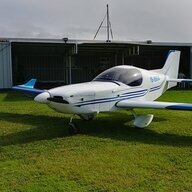
Jab down Chinchilla Airport 26/02/23.
kgwilson replied to trike1's topic in Aircraft Incidents and Accidents
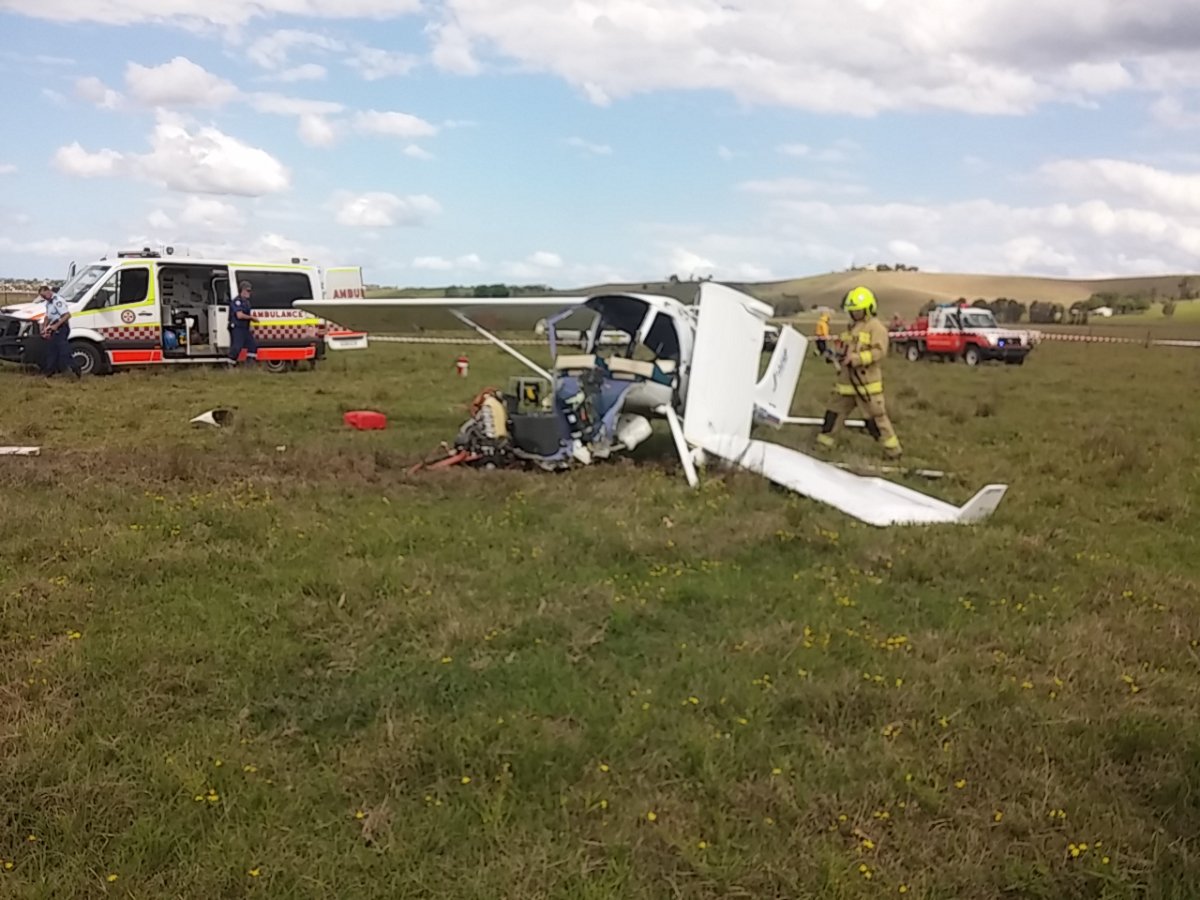
There are a number of reasons why the seatbelt anchor was torn out including previous stresses from earlier issues with the aircraft. Back in 2016 I was one of the first on the scene when a J230 went in under power in a cow paddock just short of Runway 08 at South Grafton. There was extensive damage and the entire front of the aircraft was torn off and partially went under the fuselage. The pilot and passenger were left in their seats looking out at a bunch of startled cattle. Injuries were a cut on the head of one and a sore knee from the other. Jabirus are tough and the passenger compartment is amazingly strong. Photo of this one below In a lot of other aircraft GA & RA the occupants would not be here to tell the tale.
-
I couldn't give a rats if I can't be seen of FR24 or Flightaware. So long as I can see ADSB out aircraft in my vicinity when flying & any with ADSB In can see me that's all that matters.
-
Jab down Chinchilla Airport 26/02/23.
kgwilson replied to trike1's topic in Aircraft Incidents and Accidents
Where is the report stating the seatbelt retention points failed? -
Jab down Chinchilla Airport 26/02/23.
kgwilson replied to trike1's topic in Aircraft Incidents and Accidents
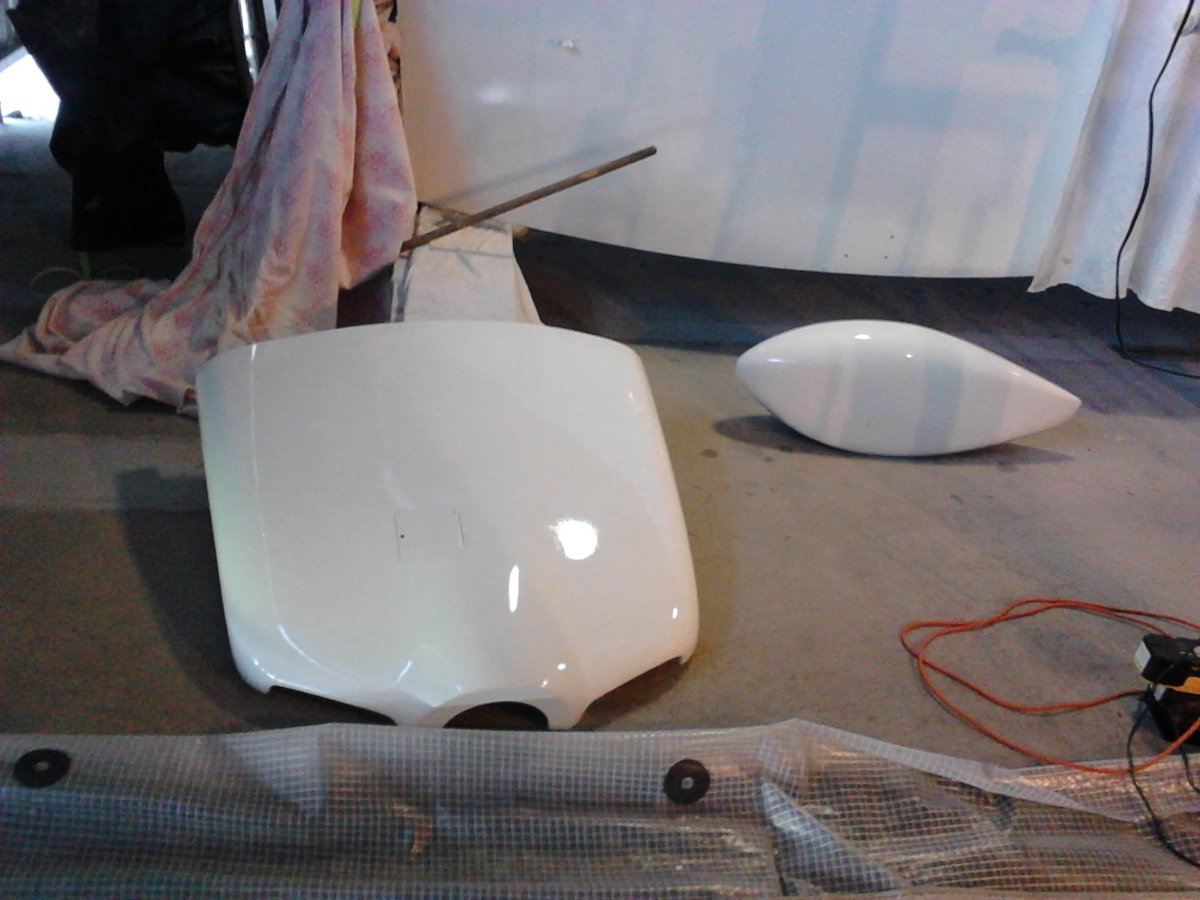
It looks as though the plexiglass windscreen has popped out, probably when the person hit it which is a good thing in that would have slowed the ejection speed a bit & the person may very well have landed on it. Based on the description of the injuries "One patient has minor lacerations to the head and foot. The second patient, a male, has a suspected ankle fracture" the person got off very lightly. -
Jab down Chinchilla Airport 26/02/23.
kgwilson replied to trike1's topic in Aircraft Incidents and Accidents
It looks very much like the discombobulator has definitely discombobulated as it is nowhere to be seen. The cabin is still intact which likely contributed to the fact that the occupants suffered only moderate injuries with the impact absorbed by everything else that got smashed up. If one of those on board was thrown through the windscreen either the seatbelt was not fastened firmly and they slipped through it, they were not wearing it, it broke or became detached. It would be useful to find this out in addition to the cause. -
The Gazelle was a great training aircraft. Very easy to fly & forgiving. No flaps but super easy to side slip. Pretty slow but good if you are new to RA stuff from GA. It was the first RA aircraft I ever flew. If the CA21 flys the same it will just be landing and ground handling that may be a handful in inexperienced hands
-
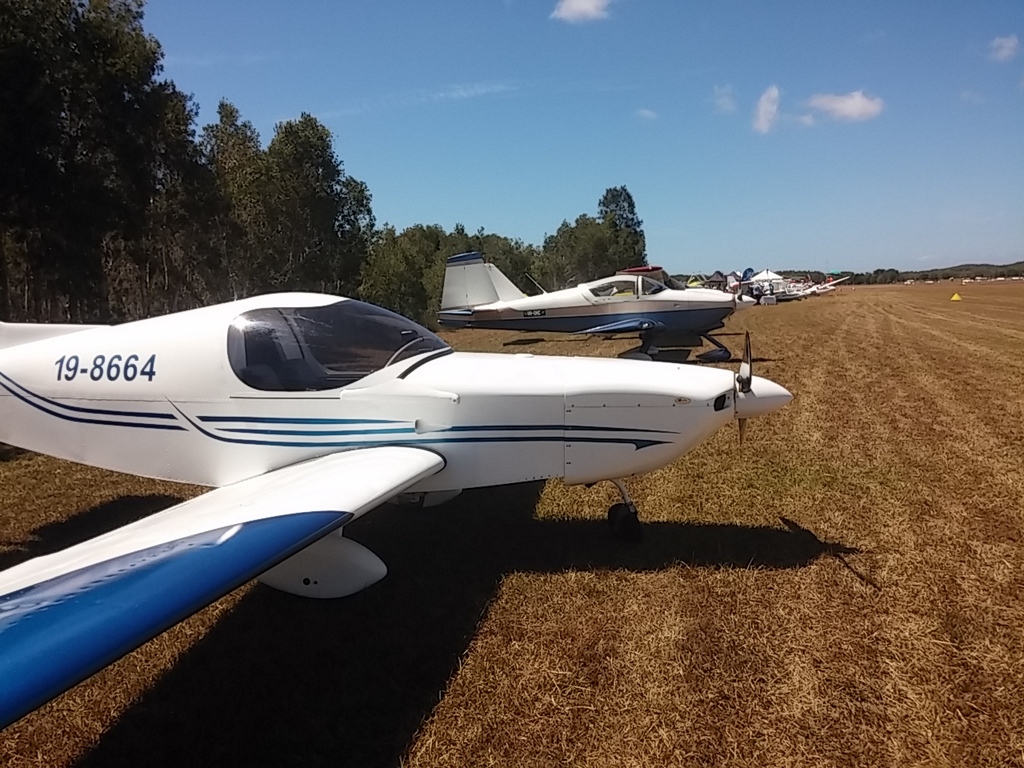
The callsign I am referring to is what is entered into the Skyecho 2 ADSB. The field has a maximum of 6 characters and R1234 is what CASA have specified should be entered. In GA they just want ABC even though VHABC could be entered. Radio callsigns for RA are generally aircraft type (same as GA) and paired numbers twenty forty one. I have found whatever you say when you call up they are OK with. For me it is Sierra eighty six sixty four when technically it should be Morgan eighty six sixty four. My aircraft is a Morgan Cheetah Sierra but as I built it with my mods and the only name displayed on the aircraft is Sierra, that's what I call it. Beechcraft and Tecnam Sierras always use the manufacturers name so there has never been any confusion.
-
The recommended callsign for recreational aircraft is R followed by the 4 digit aircraft registration number & for VH the 3 characters of the registration number. This will be displayed on the device of the other aircraft that has ADSB IN and is useful to know if either aircraft believes there may be a conflict as either can make a radio call quoting the others callsign. You can enter any 6 Character code as the callsign but you cannot use any special characters. The only thing that will uniquely identify your aircraft is the registered number. If there were 2 or more aircraft in the vicinity with the same callsign then if there was a conflict you would not know which one it was. While it is possible to use some sort of 6 character nickname it is not helpful or in the spirit of identification and could be dangerous. If you are in range of ATC, they will see this as well and will be able to ascertain the hexadecimal code and could inform CASA so you may get a call from them.
-
These are still sold. There is an advert in every edition of Aviation Trader for red plastic balls to put on power lines or other wires as required.
-
When I did my PPL we had a designated low flying area with lots of fences and tree rows and there were a number of paddocks long enough to put down in at pinch if necessary. Precautionary landing practice was all simulated here and then put in to practice back at the airport. Essential in my opinion. I didn't know it is not taught any more.
-
Good guide to radio and aerial wiring?
kgwilson replied to danny_galaga's topic in Instruments, Radios and Electronics
The one you put a link to in your earlier post -
Good guide to radio and aerial wiring?
kgwilson replied to danny_galaga's topic in Instruments, Radios and Electronics
I had to replace all of my radio wiring because I initially didn't used shielded cable. I used single core shielded cable for all wiring. If the frame is metal you must make sure there are no earths anywhere except back at the radio and a main earth bus that goes directly to the battery. For the aerial the cable is also shielded with BNC connectors either end or the cable may be part of the aerial & with a BNC connector at the radio end when the cable is cut to length. If the aerial you install is not tuned then cut it to an optimum length for the middle of the Aviation frequency band. If the aircraft skin is metal you won't have a ground plane issue. If it is fabric or plastic then making a good ground plane and positioning becomes important for good reception & transmission. This should all be in the wiring best practices book. -
Anatomy of a fake CO2 sensor
kgwilson replied to danny_galaga's topic in Instruments, Radios and Electronics
I got an aliexpress email the other day selling 2 Tb SD cards for $6. These don't even exist yet. And today 18650 batteries 9900 mAh for $2.19 and a fake Samsung S23 Ultra phone for $160.00. All absolute rubbish. There are good CO monitors that don't cost that much. I paid around $30.00 for one that works really well. I have it on the panel & it takes 3 AAA batteries. Came with a test certificate and I have checked that it works properly. The RAA one is far too sensitive & starts alarming at normal background CO. An 8 hour safe level is 50ppm though 30ppm is the recommended safe level in the workplace. Background CO in the home varies between 5 & 12 ppm & the RA one starts alarming at 9ppm. There are a multitude of different standards around the world as well. If you are buying one just do some research first. -
Apparently midair at Gympie at 3pm today, 9/11/22
kgwilson replied to Jase T's topic in Aircraft Incidents and Accidents
That is great but it cannot apply to GA factory built aircraft as the Skyview is not certified for such installations. It is only certified for Recreational and Experimental built aircraft & the Mode S ADSB Out module costs about 2K US plus installation. -
As a member you are effectively a shareholder and have the same control over the company as in an incorporated association, i.e none. You can complain and you can stand for election to the board. You have the same voting rights in either type of body so if you want to see change you have to get active and advocate.
-
Apparently midair at Gympie at 3pm today, 9/11/22
kgwilson replied to Jase T's topic in Aircraft Incidents and Accidents
The cost to get the ADSB Out module installed with your mode S transponder is typically $5-7000.00 so I don't see that many when out flying. Most GA who have ADSB out are Flight Training School aircraft. -
You only save 1.9% by paying 2 years in advance & only 1.75% for 3 years. That is not an incentive at all when you can now get up to 5% on a 12 month fixed deposit and with interest rates on the rise that will increase.
-
ATR72 crash in Nepal 15/01/23
kgwilson replied to red750's topic in Aircraft Incidents and Accidents
Each of the controls has a different tactile shape and feel & they require gate locks to be pulled up to move them to prevent inadvertent change. If you are in the right seat when you are normally in the left seat you are also using a different hand. In this case the wrong control was moved by mistake. How such high hours pilots made this mistake is difficult to fathom. The thing is one of them realised the flaps were not down to the 30deg position and moved them to 30 deg. The most unfathomable part of this tragic error is how neither pilot noticed that the prop pitch levers were at feather position but both noticed they were getting no power. -
If your dipstick top is just under the proposed hatch cover you don't need to get your hand in, just a thumb and forefinger to undo the dipstick & remove/replace it. I can't remember exactly how big mine is but it is a bit less than 100 x 100. I epoxied a doubler underneath with a wide end to accommodate the camloc keeper. Works a treat. When I painted it all in situ it was hard to even see it.
-
ATR72 crash in Nepal 15/01/23
kgwilson replied to red750's topic in Aircraft Incidents and Accidents
Both pilots were very experienced and knew very well how to fly and land this aircraft. Mitigating factors of the change of runway, new airport, checkride process and the mistake of feathering both engines in the landing configuration and then not recognising what had been done by both had the holes in the proverbial Swiss Cheese well and truly aligned. -
ATR72 crash in Nepal 15/01/23
kgwilson replied to red750's topic in Aircraft Incidents and Accidents
Flap was lowered to 30 deg, 23 seconds after both props were feathered and both pilots noticed there was no power coming from the engines (presumably from the CVR data) but it seems neither realised the props had been feathered which seems from the photo of the controls, blindingly obvious. 20,000 and 16,000 hours of experience and it is human factors that raises its head. Everyone makes mistakes and this was the one that created this tragedy. -
I only had 1 to make for my build which was the flap to get to the dipstick. Same as you Marty. I used a leftover bit of aluminium piano hinge after doing the ailerons & flaps. I used a wingnut style Camloc fastener. Great product & easy to open/close. During installation I somehow lost the fastener lock split ring that keeps the fastener attached when the flap is opened. I was going to get another one or make one but didn't & it is still like that 8 years later.
-
Apparently midair at Gympie at 3pm today, 9/11/22
kgwilson replied to Jase T's topic in Aircraft Incidents and Accidents
If you already have ADSB Out enabled with a Mode S transponder you must disable ADSB Out as per the manual instruction below.. 8.3.2 1090ES Transmit This setting configures SkyEcho for transmission. Select the checkbox to enable transmission if allowed in your operating location. Deselect the checkbox to disable transmission. Transmission must be deactivated when used on an aircraft with an Air Traffic Control Radar Beacon System (ATCRBS) Mode-S transponder which has ADS-B OUT enabled. -
Light aircraft crash - NT - 25/12/2022 - 2 dead
kgwilson replied to onetrack's topic in Aircraft Incidents and Accidents
"Large" can mean anything. It could be one or two hundred metres if the impact was at a low angle of attack rather than all the wreckage being in one place. -
Apparently midair at Gympie at 3pm today, 9/11/22
kgwilson replied to Jase T's topic in Aircraft Incidents and Accidents
Enroute displays the actual altitude transmitted from the ADSB Out of the other aircraft. The algorithms of the software will not display any ADSB data if vertical separation is greater than 1,500 metres (4924 feet) or horizontal distance is greater than 20 NM. This avoids clutter on the screen and filters out all the RPT that you see on Flight Radar unless of course it falls within those parameters.