

pylon500
-
Posts
1,418 -
Joined
-
Last visited
-
Days Won
9
Content Type
Profiles
Forums
Gallery
Downloads
Blogs
Events
Store
Aircraft
Resources
Tutorials
Articles
Classifieds
Movies
Books
Community Map
Quizzes
Videos Directory
Everything posted by pylon500
-

question Rotax 914 Jabiru J230
pylon500 replied to skippydiesel's topic in Aircraft General Discussion
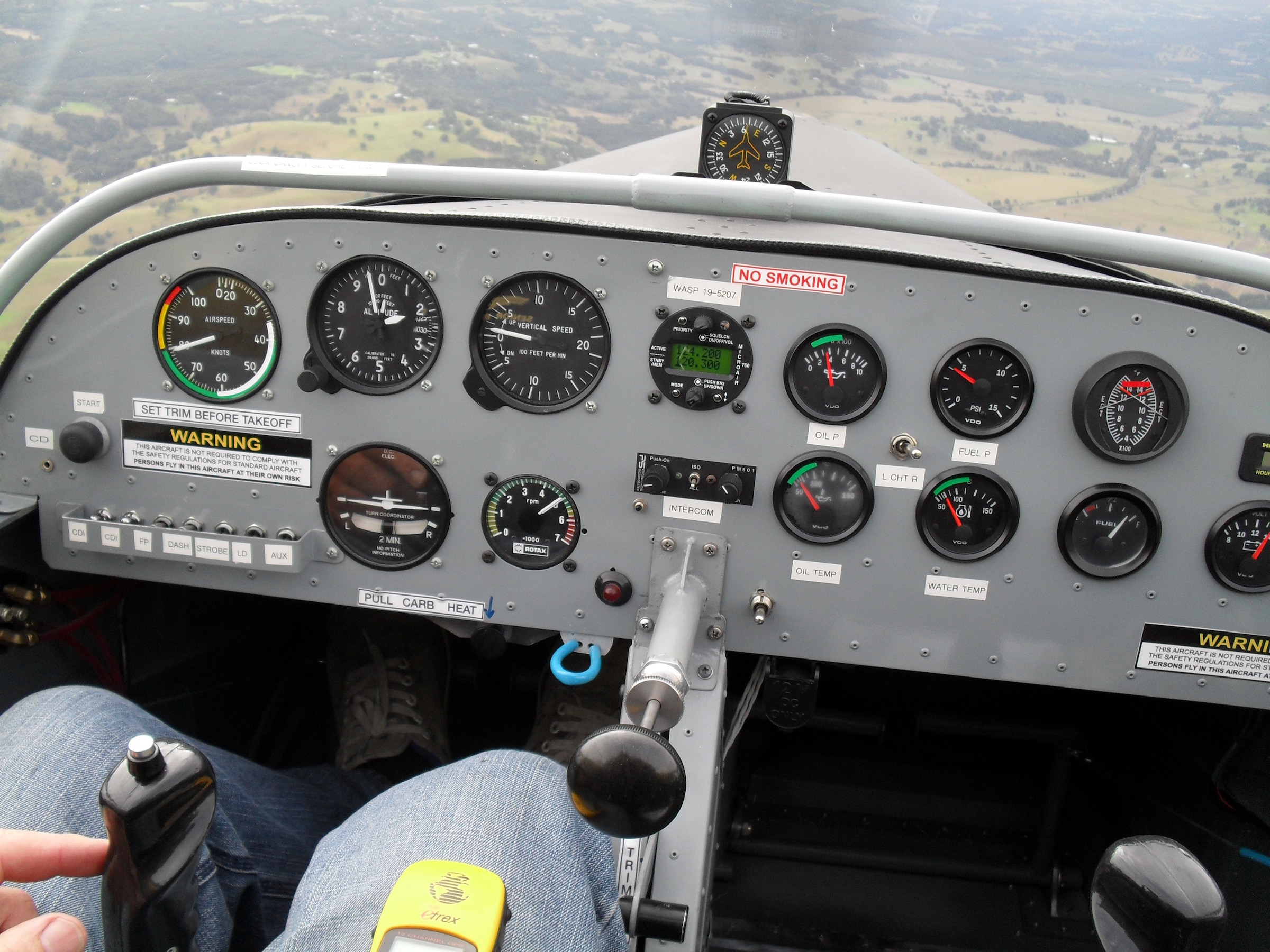
For a start, you don't need to go to the expense of a 914 when cross fitting. I flew an original J230 down to have the Rotax mod done to it, a 912s was installed, it was test flown (by me), and then ferried back to it's owner. With the 912s, the performance was basically the same, it could cruise at 115kts if pushed, although I tend to be a little more casual and (as shown in attached) would sit on 105kts @ 4930rpm. Some like to push 912's harder, and they'll take it, but in the 5000 rpm range they only drink around 16Lph. This aircraft would also climb at 1200fpm @ 70kts with no risk of overheating. I can't remember if the battery was moved down the back for CofG reasons, but remember, 230's are nose-heavy two up, but nice solo. If you're used to the sound of the old Jab six, the Rotax 'buzz' can take a bit to get used to, but you're not listening to every valve movement waiting for something to happen. [ATTACH=full]53405[/ATTACH] [ATTACH=full]53407[/ATTACH] Well that's annoying, wrote this a couple of days ago, but forgot to hit the post button! DOH! -
Had a dig and found this photo while having a quiet cruise around in a Wasp. Numbers and stability speak for themselves. Don't know why the EGT's were so high?

-
Flying solo... I wonder if they (CASA/NTSB) will be able to determine the CofG at the time of the accident...
-
Quick reply would be that the original concept was for a docile, high visibility trainer that showed promise, but required more development and even a lot more investment to get to a certified stage. As for performance, the ones I flew seemed happy cruising in the 75~85kt range with the 912s, or could probably cruise at 95~100kts if you wanted to pour fuel down it's throat. Had good visibility and I guess average handling. No major flaws, just a lot of little tweaks that took up too much of the Hornet production time.
-
I think Ole only built about five of them, what did you want to know?
-
'Length and span have no relationship' As in my earlier post, this technically is true, flying wing has no fuse ratio, F104 is way out the other side. The technical design ratio is wing chord to fuse length, although arbitrarily stating 4:1 is a little bold. Back in my day of designing control line stunt models, 2.5~3:1 gave a nice balance, but in real aircraft it can vary widely. A Piper Cherokee would be around 2.5:1, a 737 might be around 4:1 and a performance sailplane would be up near 7:1 for the reasons I mentioned earlier. It comes down to design goal criteria.
-
Lot of timber everywhere, looks like it may have been an Osprey seaplane?
-
I'm looking at the build up photo, and assuming that the 'airfoil' shape on the top of the cabin is later cut off, and the one piece wing sat on the now flat top? Just seemed odd to include that shape only to cut it off later? The alternative is that you have a two piece wing sliding onto a spar of some type? (not a very durable idea for a trainer)
-
Seven degrees? Video didn't look like that much, that said, fifteen degrees would be a nice stable platform so it matches what I was thinking by doubling what was shown in the video. If you wanted to extend the wing with a centre section, I would look at having the tips at a similar height as they would have been if from a single 15º dihedral at the centre. ie; the outer panels would have more angle to them to reach the same point. (this is called polyhedral) Polyhedral wings can range in their dynamic, but a good all round concept from a weight, strength and stability standpoint is for the centre section to be at least one third of the overall span. Any less and the span loading at the joint is almost as high (from a modelling view) as a single dihedral joint.
-
If you're not fitting ailerons, you may want to add a little more dihedral than shown in the video, only an extra inch per side, but that will make it a little more stable while giving better roll response.
-
Hey there, don't want to derail this thread, so go over to; Just Bragging and I'll try to get back into more regular posting there.
-
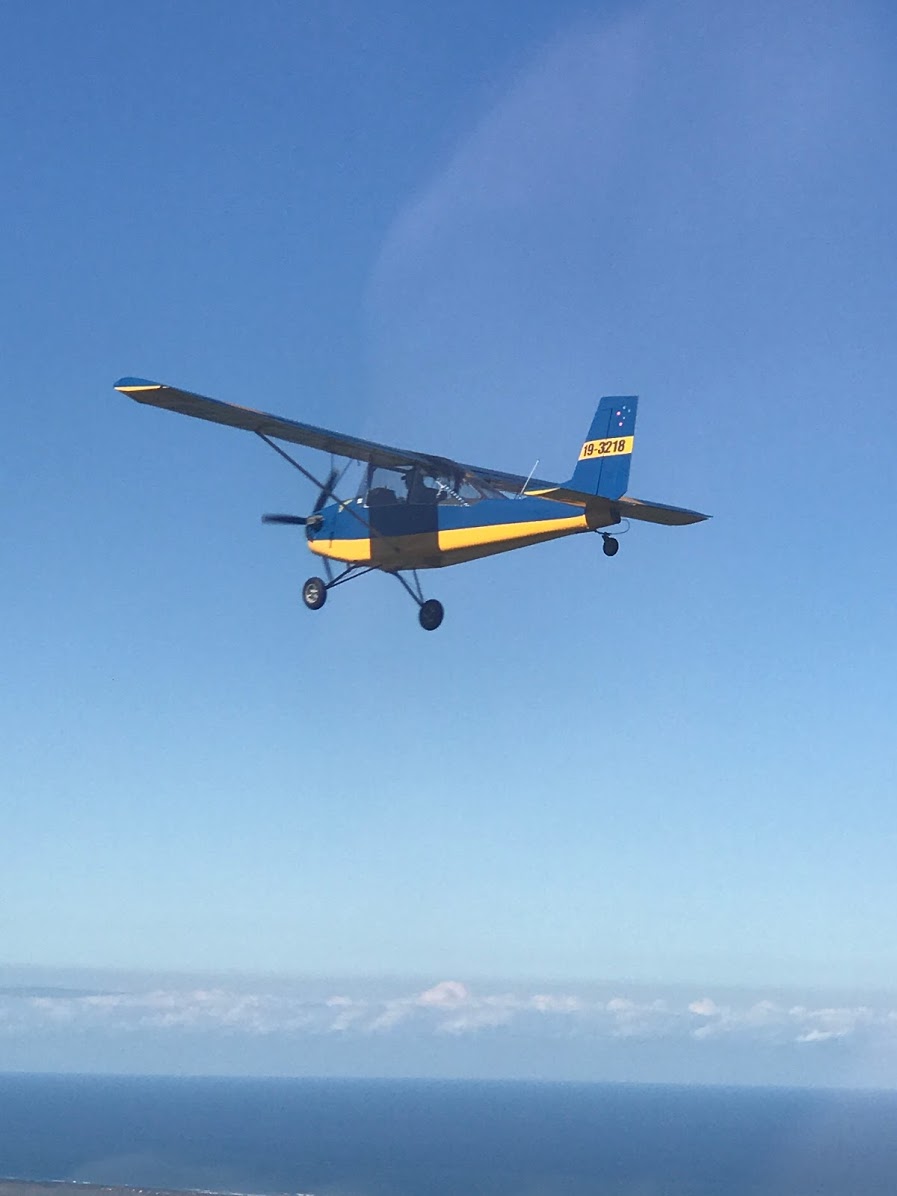
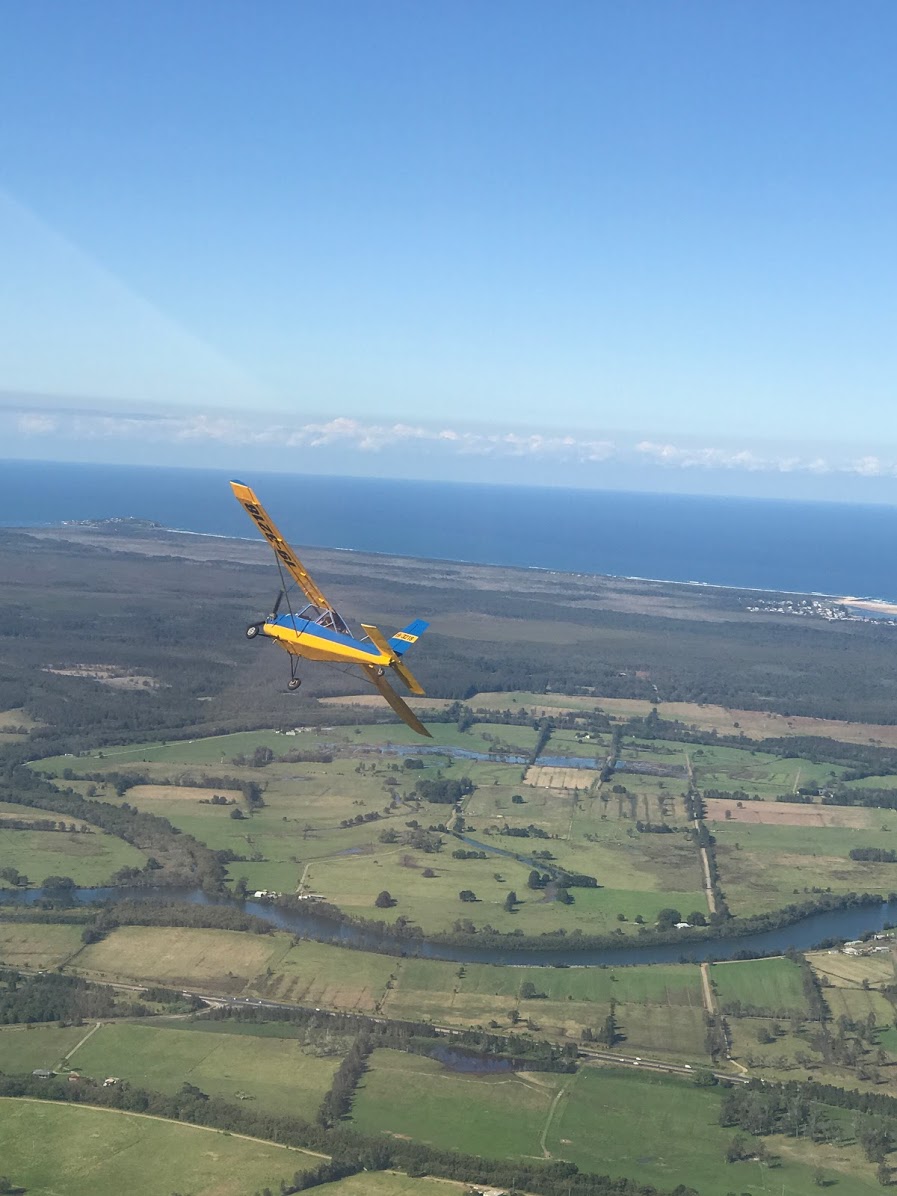
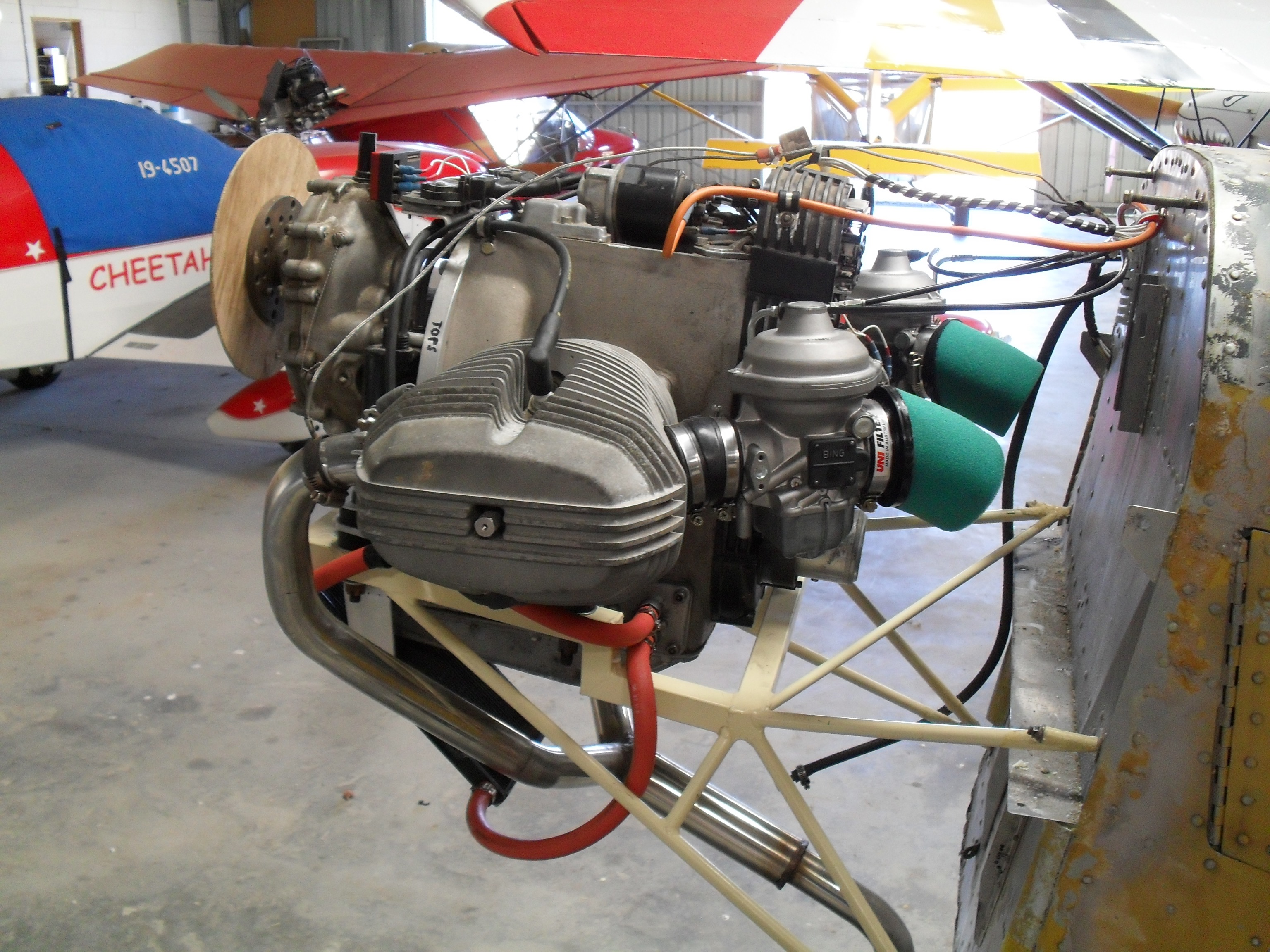
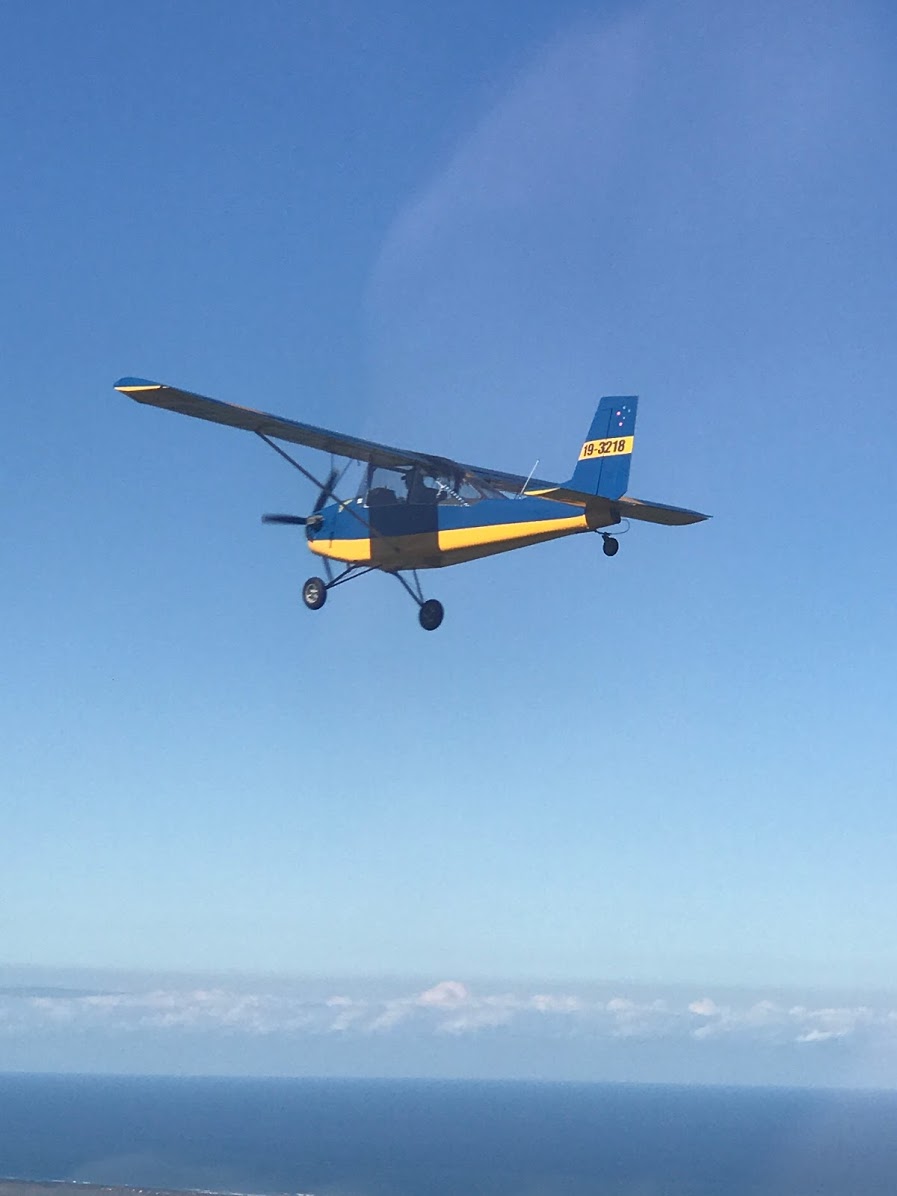
OK folks, just reviving this old thread for chatting purposes... Just a quick little history of my 'Stollite'; Using the wings of a previously upgraded ultralight, myself and a then apprentice with me at Bankstown, threw together (over three years) an airframe using very standardised all metal structural concepts ie; Cherrokee styled wing tanks, Cessna styled cabin with all controls under floor, Beaver styled aft fuselage and tail group, and unfortunately a Jabiru/Vampire styled control system (you live and learn). Originally powered by a Rotax 503 as a 95:10, until it failed with the aircraft being lightly damaged. It was then rebuilt as a 19 class, and powered by a Rotax 582, until I blew that up, (long story for later), but fortunately this time the aircraft was unscathed. I happen to have an 80hp Rotax 912 laying around for another project, so I 'borrowed' it and continued flying. The irony here is that, while using the 912, I was always on the lookout for something more akin to the 582, which it flew well with, to replace the 912 so it could go into the other project. Enter the BMW R100 conversion that was sitting in a hangar with no paperwork or exhaust, but a reasonable price. BMW details; This is (to the best that I can determine) about a 1985, 1000cc bike engine that has had a full aero conversion kit, I think it is an English kit? The engine has an adaptor plate on the gearbox end (which is now the front) and has a Rotax 'C' box with a spragg slipping clutch (the prop free wheels). Because the engine is now technically installed backwards, both pots have been swapped across, putting the exhausts on the forward end of the engine, and therefore the carbi's at the back. The heads have been modified to have two plugs, a mod done on the bikes as well, and a dual electronic ignition system fitted. Things I had to do; The inlet ports face upwards, about 20º from horizontal, so I needed to get some angled manifold rubbers to fit the 54mm Bing carbs (x2). Make a catch can for the crankcase breather. Modify the oil filter to adapt to an oil cooler. Fit an oil pressure sender. Get an exhaust system made. Operation; I fitted a larger Stewart Warner tach to the aircraft, and I think I have the switches at the back sorted? When it works, the motor runs out to near 6000rpm and flies the Stollite about the same as the 582 did, using the same prop. The problem I'm having is something fuel related, where when I first ran it, it started easily and idled pretty well. I had been told they don't like to idle too slow, but sits fairly smoothly around 1800~2000rpm (bit like a 912). Problem was when I first opened it up, it got to around 4000rpm and started to run rough and miss until it would stop. This turned out to be fuel starvation. Checked the fuel system, which seemed OK, so added an electric pump. Start the engine, run up to 4000 where it would start to miss, turn on the pump and it would come good, and continue on up to around 5800 with good hearty sound. Throttle back towards 3000 with the pump on, and it would go rough again, and if the pump wasn't turned off, it would flood out and stop. This is not highly conducive to relaxed flying (don't ask), so when I find time to go back and fiddle with it (like now while we're not flying much), I'm playing around with different pumps and float settings. The flight photos are around 2000ft over the airport (always within gliding distance), back in around 2017(!) and I've probably done a total of about an hour in it! Other projects had since crowded the Stollite to the back of the hangar until last month, when I figured out how to adapt a 912 mechanical fuel pump to the 'C' box. Unfortunately it hasn't totally cured the problem and the 4 year old, non maintained battery, is almost stuffed, and now the other projects and some sideline work are pushing for attention. I'll get there eventually.
-
Are you talking about the blue/silver 503 powered Flying Flea at the Oaks, or my Stollite, seen here flying (with it's latest motor, a BMW R100 conversion), over Taree... Oh yes, I finally repainted it.
-
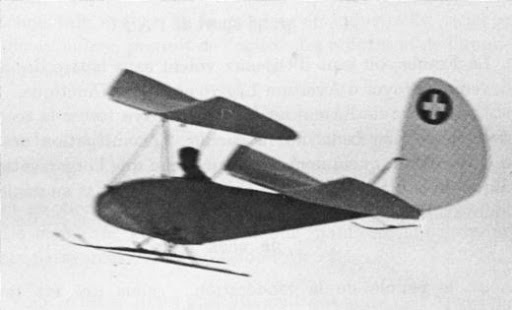
Just a quick step outside the thread; Looking into the 'Flea' came across something that had never occurred to me... a Flea GLIDER! Enjoy; http://claudel.dopp.free.fr/Les_planeurs/Descriptions_planeurs/Cosandey%20Pou%20Planeur/Cosandey_Pou-Planeur.htm
-
The XPB Stage 1 underway.
pylon500 replied to bexrbetter's topic in Aircraft Building and Design Discussion
Just a few observations... Rudder horn 'above' the fuselage? Apart from being a bit unsightly, there is now a hole on an upper surface, but should you (or another builder) desire a tail-dragger, much re-designing will be required. Just a thought. -
The Flying Flea. Now I'm not sure if I countered the comment, or agreed with it?
-
It is pretty much a 'if it looks right' kind of thing. The two primary things that generally relate to wingspan are; wing chord, which will give you aspect ratio, and; moment arm ratio, which boils down to the leverage that the tail has on the wing to control pitching moment and overall elevator authority. Oddly, the 1.5:1 span/length ratio is probably pretty close with most gliders as well, but because the wing is narrow chord, the moment arm ratio is much higher, which then allows the use of much smaller (read less drag) tailplanes. Shorter the moment arm ratio, the larger the tail to wing percentage needs to be...
-
New Build - Hornet STOL with Aeromomentum 150HP
pylon500 replied to Kyle Gardner's topic in Just Landed - Welcome
Welcome to the site, we have a building blog/discussion page further down; https://www.recreationalflying.com/forums/aircraft-building-and-design-discussion.55/ (off to have a look...) ... And I'm back. Hmm, the fish eye lens photo of the motor makes it look HUGE.- 11 replies
-
- 1
-

-
- #aeromomentum
- #bushflying
- (and 3 more)
-
You should be able to transfer the build from 10 class to 19 class with little effort, save for the RAAus fees, which are a rort, but hey, welcome to the 'making a profit' recreational aviation company, and continue building 19-1103.
-
Ag crash South Burnett 05APR20
pylon500 replied to M61A1's topic in Aircraft Incidents and Accidents
I can see some currency problems looming after the virus problem ebbs. Let's hope the gestapo authorities don't get too knee jerk about solo flying, and that plenty of instructors are carrying out 'self proficiency' flying in the interim (in their personal aircraft hopefully). -
OK, just realised I've gone and Ozzie Englished that and technically said the opposite to what I meant. That should have been; I see no reason to NOT extend the clauses of 'Single seat BFR checks to owner pilots, or in other words yes, allow owner pilots of 2 seaters to do a BFR solo while observed and listened to by an instructor on the ground. I spend a lot of time getting students to appreciate that 'flying' an aeroplane is only half of what it takes to 'pilot' an aircraft. It's trained into muscle memory leaving more concentration time for navigating, communicating and fitting in with other users of the skies. Pop questions about how aircraft fly, what are the air rules, how do you create a flight plan, can all be asked on the ground (from at least 2 metres away) instead of while burning dollars in the sky. That said, thanks to kasper and Blueadventures for understanding what I was trying to say, that is if you did agree to what I meant to say...
-
Too many schools and authorities have taken the BFR as another form of income generator, instead of the flying capability assessment that it really is. I see no reason to extend the clauses of 'Single seat BFR' checks to anyone that at least owns their own aircraft (1 or 2 seat) or is a regular flyer of the club or school aircraft that would normally be used for the test. I always do BFR's for owner pilots in their own aircraft because 1) they are used to that aircraft and are less stressed when just taking a 'passenger' (the checking instructor) and. 2) I get to fly in a variety of aircraft (I have around 92 types in my log book). That said, I do fly for fun and don't rely on it as an income stream. Remember, to make a small fortune in aviation, start with a large one!
-
G'Day Richard, haven't been in the forums for a while and missed your response. From what I can see, the only thing I can't fabricate is the strut. What do you have?
-
Two taken to hospital after light plane crash 22/3/20
pylon500 replied to farri's topic in Aircraft Incidents and Accidents
Difficult (but not impossible) to spin a Cessna with full flap.. No prop damage so dead engine, services appear to be parked on well tended lawns (golf course?), possibly over/undershot a forced landing? Good all survived. -
Mangalore incident today (19/2/2020)
pylon500 replied to biggles's topic in Aircraft Incidents and Accidents
Sad news inbound from Foxbat Australia... https://www.facebook.com/foxbataustralia/