pluessy
-
Posts
138 -
Joined
-
Last visited
Content Type
Profiles
Forums
Gallery
Downloads
Blogs
Events
Store
Aircraft
Resources
Tutorials
Articles
Classifieds
Movies
Books
Community Map
Quizzes
Videos Directory
Everything posted by pluessy
-
I agree with skippydiesel, there is no need to open the cooling system cap (pressure cap) at every pre-flight. What you need to do is get familiar with your overflow bottle level: - what is the level stone-cold (winter) and cold engine on a hot day? depending on your bottle diameter, there can be quite some different levels. - what is the level when the engine is hot? - keep an eye out for any stains around the overflow bottle, this indicates a leaking radiator cap or overheating cooling system - don't forget to include the radiator cap in the 5-yearly rubber hose replacement program (gasket is rubber and the most likely part to deteriorate and cause loss of cooling system pressure -> loss of coolant) Radiator cap is BMW P/N 17112345074 at about 1/2 of the Rotax price (fitted to BMW motorcycle F650 with Rotax engine). I had one event of total loss of coolant due to a (LAME-fitted) hose coming off on climb-out. caught it in time from increasing CHT (older style heads), reduce power, returned and landed normally. With about 4,000rpm, the CHT went back to normal thanks to the air-cooled cylinders. No damage to the engine, have done about 200h since. At the last annual, I removed the cap to inspect the condition and it was leaking slightly afterwards, noticed the stains on the overflow bottle after the test flight. The less you touch it, the fewer problems you are likely to have. Thomas
-
 I think we need to take a step back and look at what we need to achieve: - VFR aircraft in class G airspace operating in the same vicinity on the same frequency, regardless of altitude or strip marked on map or not. - a means of communicating with ATC (or them with us) if required (emergency, traffic alert, SIGMET etc) - allocate local area frequencies if traffic volumes require it (to remove some congestion) Neither the current nor the proposed system is really addressing that. I have lasted about 5 minutes on area frequency and then got sick of listening to the jet-jockeys talking at twice the speed of sound from 100 miles away. What we need is an area frequency surface to top of class G, replacing the current CTAF. Then local CTAF frequencies in a geographical area (eg Whitsundays) or 10 or 25nm radius from regional airports with frequent RPT or flight training (eg Emerald, Gladstone, Bundaberg). This would create a single area frequency and avoid the congestion by removing high-use areas by allocating them a discreet frequency, again from SFC to top of class G. Separating IFR (any other than class G) from class G is required if the recreational pilots are to use it. I'm not holding my breathe that we get something workable:no: Cheers, Thomas
 -
Fuel Flow - Recommendations
pluessy replied to scre80's topic in Instruments, Radios and Electronics
I have a JP instruments FS-450 fuel flow and totaliser with only one sensor in the line between electric fuel pump and mechanical fuel pump (Royax 912ULS, similar plumbing as shown by Scre80). My fuel flow meter has been calibrated to read the correct fuel flow at cruise power and will read a bit high at WOT and a bit low on descent/low power. This is due to the fixed amount of the returned fuel (3-4lph) compensated at the cruise fuel flow of about 18lph. I have suggested to JP Instruments to provide a calibration function to off-set the return fuel from the total fuel to give a more accurate reading. They replied that they would look into that. Calibration would be easy: electric pump on, engine off, measured fuel flow is return volume. A word of caution: if you have a LSA aircraft, you will need the approval of the manufacturer to change any of the plumbing or instrumentation. Cheers, Thomas -
Trackely, the Bolly is pre-balanced, just assemble it and it will be right .Very important to get the pitch equal on all blades and check the tracking. I had painted the tips on mine and had to check the balance afterwards.
-
Hi Trackley, I have balanced a couple of props, but only static. Made up a small rig to do this. If the demand is here, I might consider getting a dynamic balancing tool (I have a restricted L2 maintenance authority now). Cheers, Thomas
-
Look at the arrows from re-curve or compound bows, they are available in carbon fibre and aluminium, most are 7-8mm OD and 5-6mm ID and come in length up to 750-800mm. I have a few broken ones from my son and use them for all sorts of things. If you know anyone who is shooting with bow & arrow, they will have some damaged ones. TP
-
I have been using the Hydrotac stick-on lenses for years on my non-polarised sunglasses (HydroTac® Lenses - Home). They can be cut to suit the lens shape and I find them excellent. I just need to lift the head a little bit to read the instruments and normal vision is straight through with no interference from the add-on lenses. I'm still on the original 1.5 strength but will need to change to the 2.0 soon. There are also safety glasses available with built-in reading glasses at the bottom. I use them for driving and at work but they are polarised and affect some of the clarity and readability of the aircraft instruments (digital and iPad/phone).
-
GT propeller repair (fibreglass cover over wood)
pluessy replied to pluessy's topic in Engines and Props
I have decided not to have it repaired as I don't need it anymore. More than happy with the Bolly. I will need a much smaller prop for my single-seat project and I might use the GT as a core for that prop. -
GT propeller repair (fibreglass cover over wood)
pluessy replied to pluessy's topic in Engines and Props
Thanks everyone for their input. I'm thinking along the same lines, having to replace the complete sheeting. But I'm also not comfortable with a prop up front that can develop a hidden failure eg you don't know that the sheeting is delaminating until it is visible from the outside or is already peeling off. I have bought a Bolly BOS3 and the approval request is under way. I think a wooden prop should be covered with clear glass or varnish so that any damage to the core or cover is visible (check out the Jabiru prop manual). This GT might just become a very expensive clock -
GT propeller repair (fibreglass cover over wood)
pluessy replied to pluessy's topic in Engines and Props
Thanks, will try him. -
GT propeller repair (fibreglass cover over wood)
pluessy replied to pluessy's topic in Engines and Props
Thanks Soleair. As this is from an LSA, I was looking for someone who can sign off on this repair. I have bought and installed a Bolly BOS3, so I'm not grounded and have time to source the repair (or sell it). -
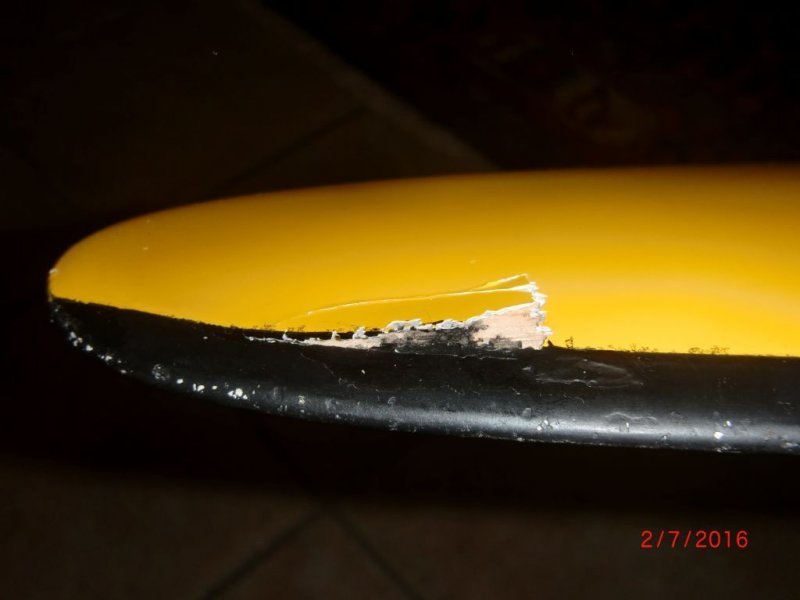
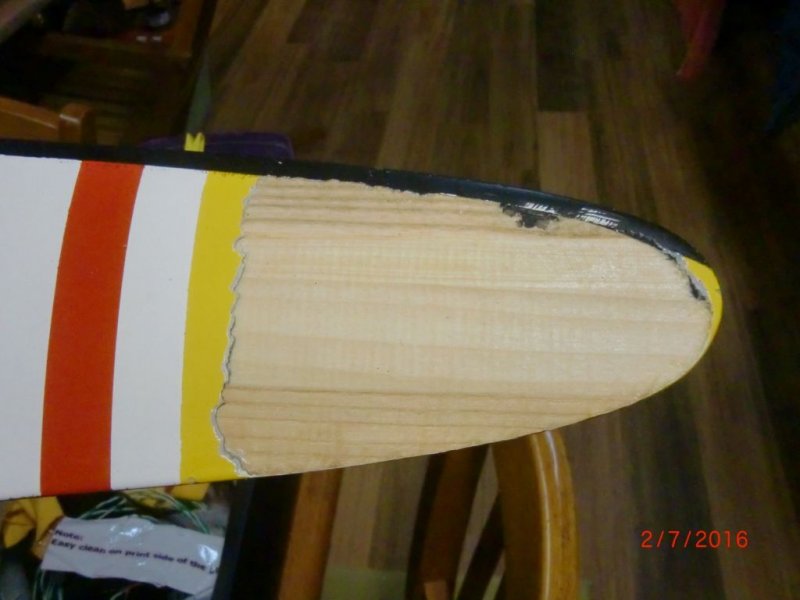
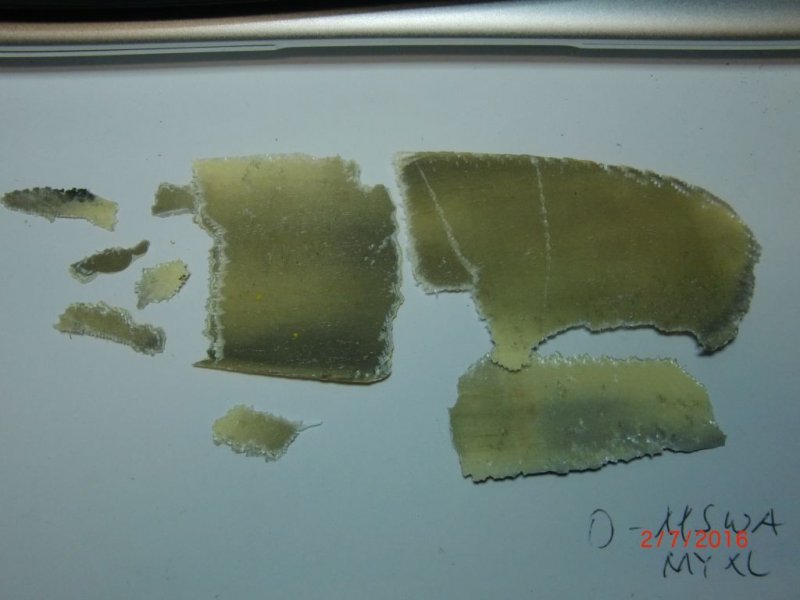
Hi everyone, I have a 2-blade fixed-pitch wooden GT propeller (from my Tecnam P92) where the fibreglass sheeting on one tip has delaminated. I had a slight vibration and some funny noise, when I checked back on the ground the glass/paint had lifted just behind the leading edge protection. Pulling on it, a 12cm section pulled off easily, see attached photos. Does anyone have any experience with this type of repair or know of a repair shop (Australia)? GT has been of no help so far, referring me to the prop manual (the prop manual states to contact the manufacturer!). Thanks for any help, Thomas

-
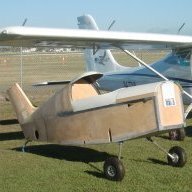
My name is Thomas and I just joined this group. I restarted flying just over a year ago after an absence of 25 years. Now I'm building a Spacek SD-1 Minisport from a 51% kit, about 1/3 done. Once in a while I hire the ICP Savannah VG from the local RA-Aus flying school for a local flight or short trips. Looking forward to venture a bit further in the future. Cheers, Thomas