Garfly
-
Posts
3,299 -
Joined
-
Last visited
-
Days Won
87
Content Type
Profiles
Forums
Gallery
Downloads
Blogs
Events
Store
Aircraft
Resources
Tutorials
Articles
Classifieds
Movies
Books
Community Map
Quizzes
Videos Directory
Everything posted by Garfly
-
Arthur Butler Aviation Museum needs your help.
Garfly replied to old man emu's topic in AUS/NZ General Discussion
It's great to see old Arthur walk and talk: -
Arthur Butler Aviation Museum needs your help.
Garfly replied to old man emu's topic in AUS/NZ General Discussion
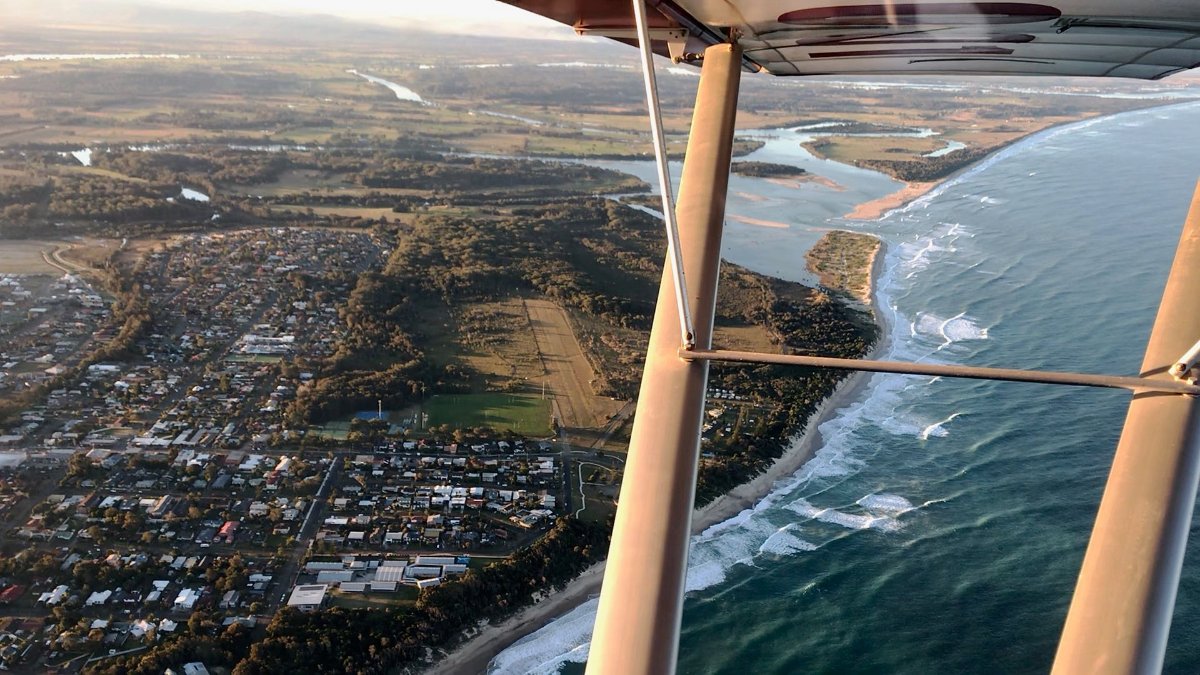
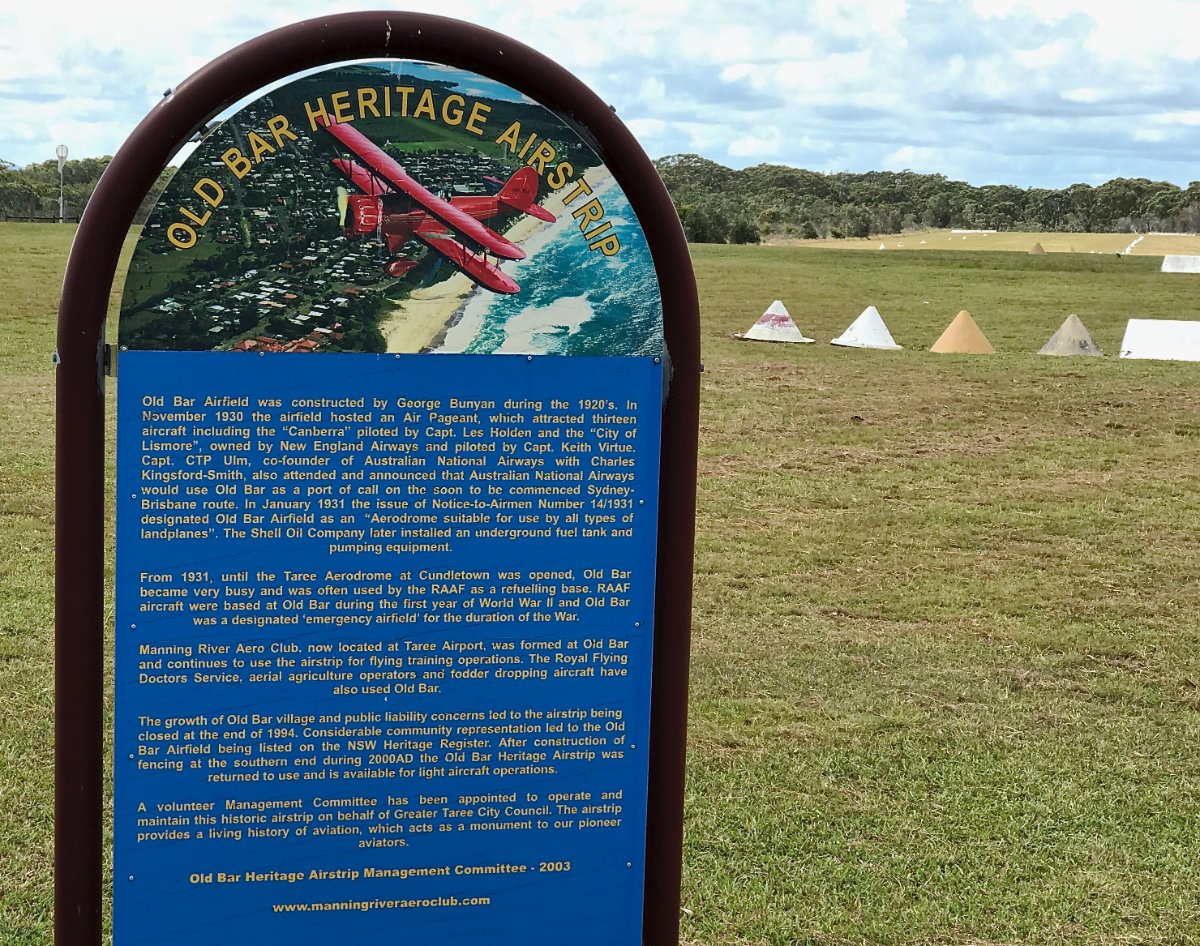
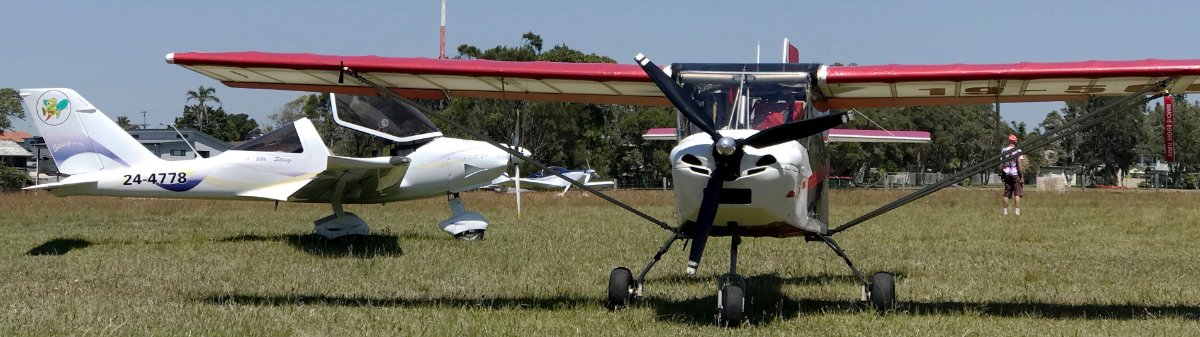
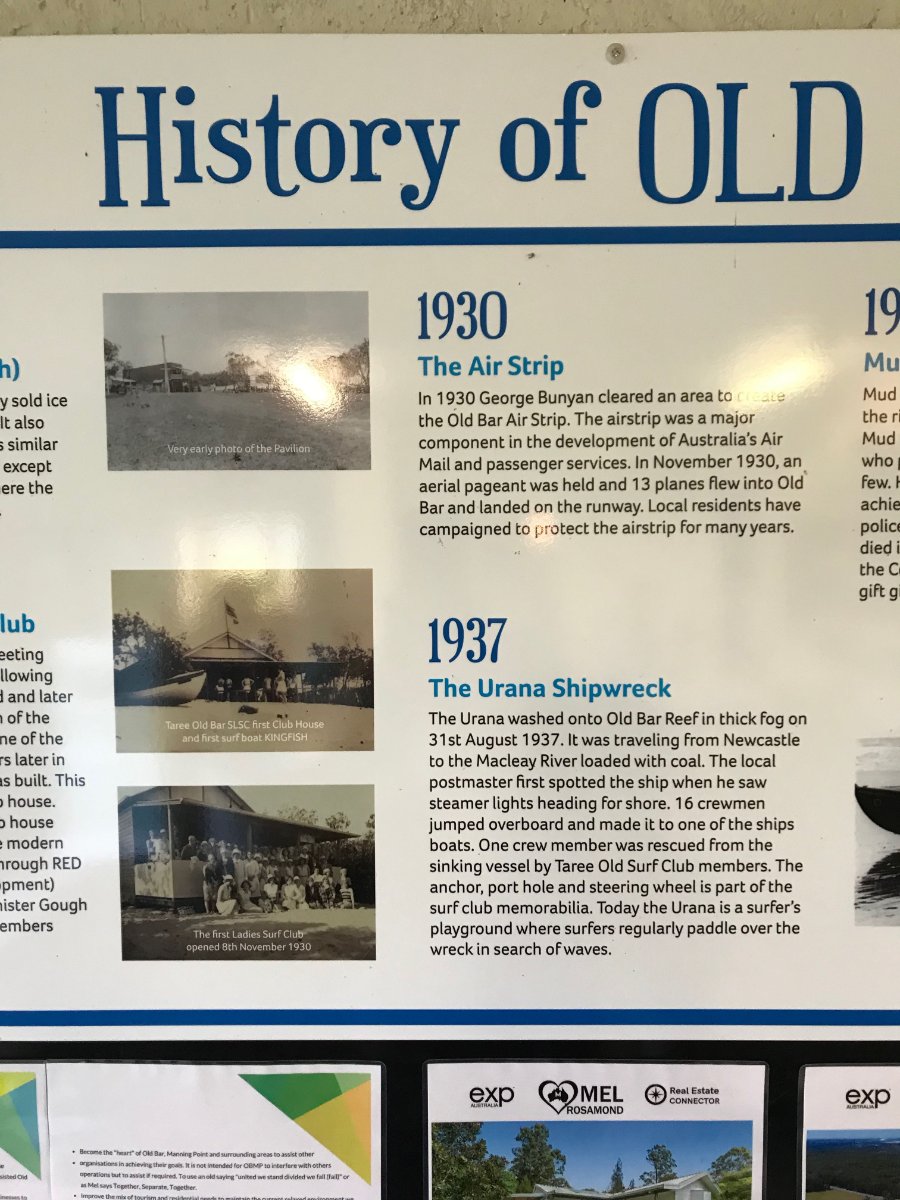
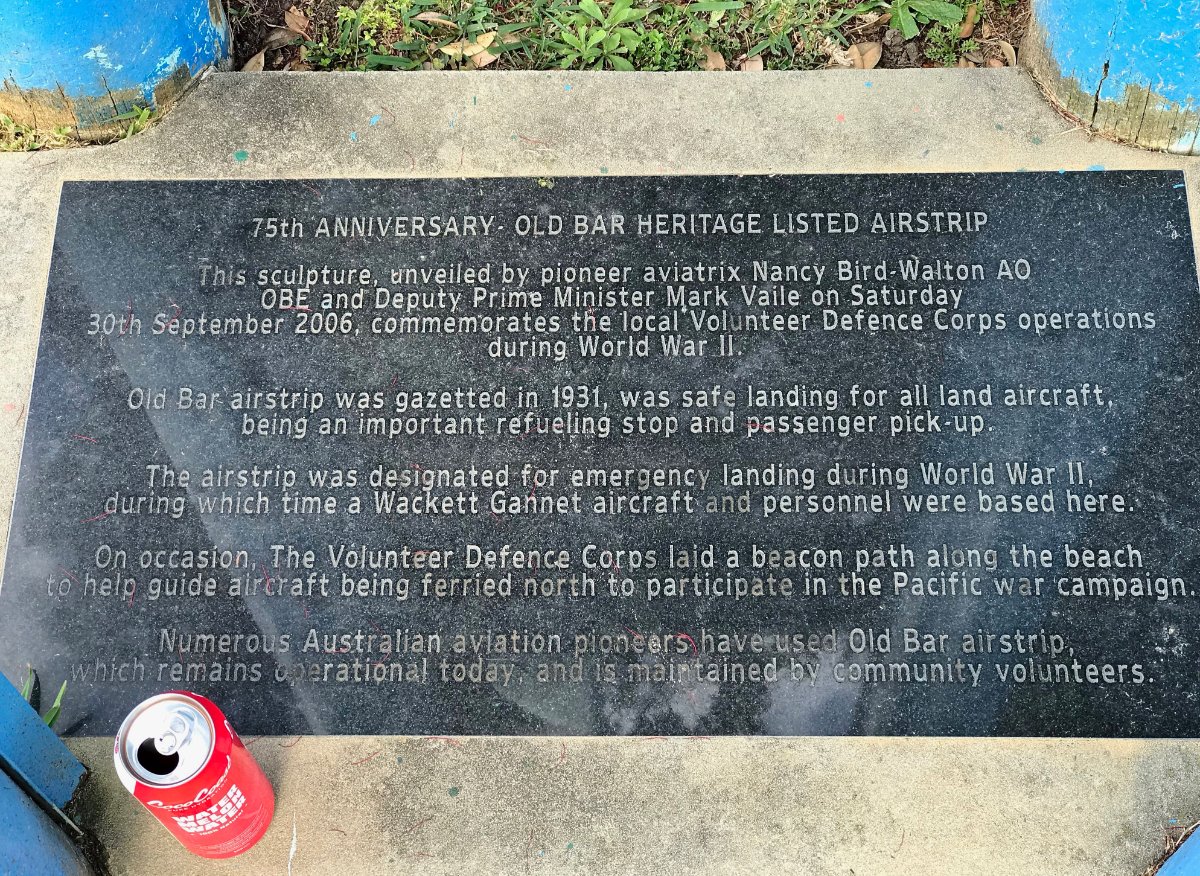
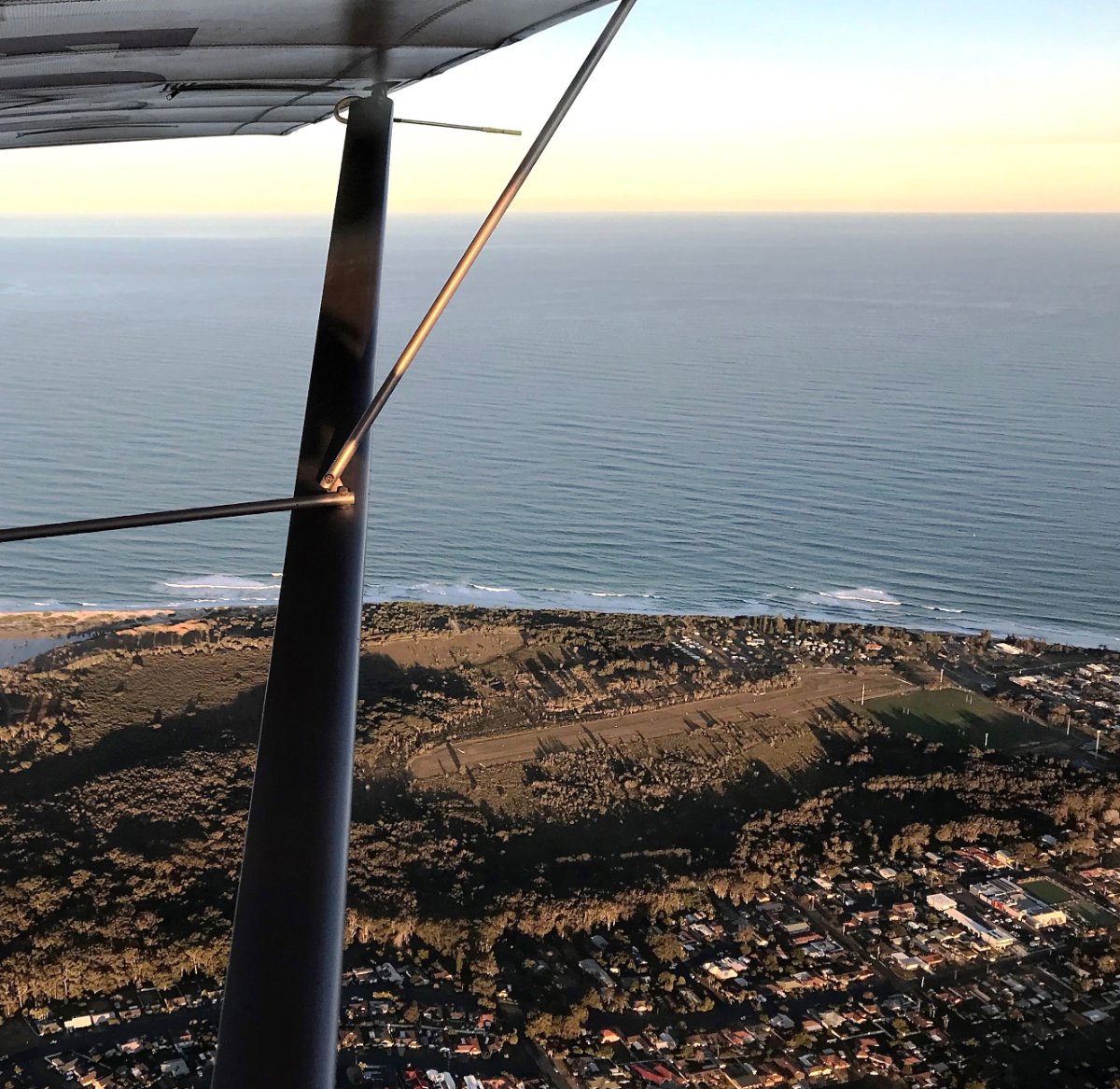
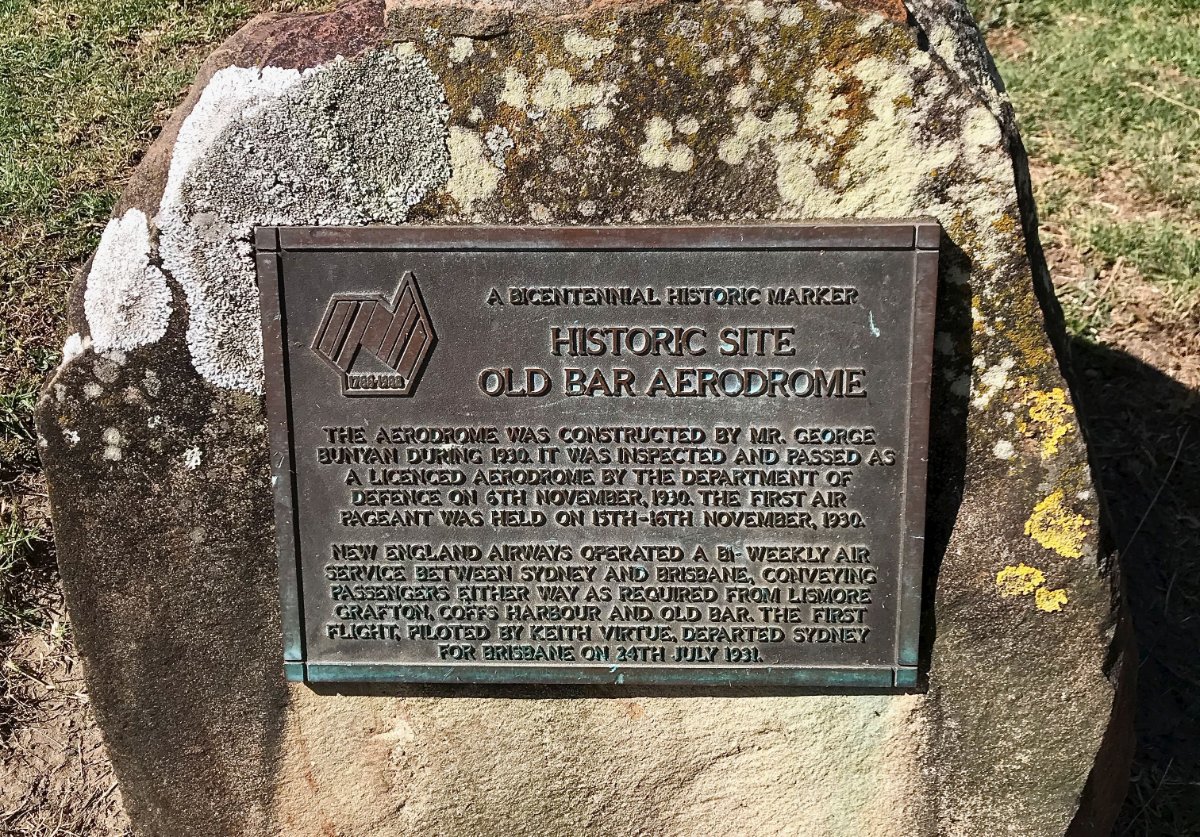
OME, I reckon Tooraweenah's airport, as a kind of living/working historical monument, is a bit like the one at Old Bar, NSW. Take a look at the various monuments etc that the town has erected to its airport - they are clearly proud of it and keen that it keeps going as a working strip. They even got it Heritage listed. I'd be happy to make that case in an email if you think it would work. If you click on these thumbnails, hopefully the texts will be readable.
-
'Turn Smart' new vid for ag pilots (and interested others).
Garfly replied to Garfly's topic in AUS/NZ General Discussion
That's what I thought, and why I posted it. As you say, much about flying is still not appreciated by a lot. IMHO by the time they've learned to walk all children have Newtonian physics sussed out, at least to the level they'll need when they learn to fly. Actually as they try to copy birds they'll need to unlearn a lot of it, otherwise they're likely to pull-back to save their 'fall'. It's not that Newton was wrong (on that score, anyway) it's just that 'book learning' and instinct are not team players. -
'Turn Smart' new vid for ag pilots (and interested others).
Garfly replied to Garfly's topic in AUS/NZ General Discussion
Yeah, Capt. Google turns up heaps of interesting versions of that story: https://www.forbes.com/2003/11/19/1119aviation.html?sh=fff90901bda6 How The Wright Brothers Blew It In 1905 the Wright brothers enjoyed a complete monopoly on heavier-than-air aviation. They had the world's only working airplane, were the only two pilots able to fly it, and had applied for a formidable patent that would cover any plane with three-axis control. Yet within five years they would regularly be surpassed by competitors at home and abroad, and before what was remembered as the Golden Age of Aviation arrived in the 1920s, they would be out of the aircraft business entirely. What happened? // ... The layoff was caused by the brothers' obsession with secrecy. They had a patent pending on the airplane's control technique, which enabled it to climb, dive and turn, but even after the patent was granted in May 1906, they were unwilling to show the machine to anyone who might steal its design, since enforcing their patent rights could be a long, laborious, and very expensive process. Having conquered flight, they wanted to cash out before going any further. https://aviation.stackexchange.com/questions/62555/why-not-use-the-yoke-to-control-yaw-as-well-as-pitch-and-roll After inventing aileron control (the Wrights were still using wing warping at the time -- this was before 1910), Curtiss needed a way to control movement of the ailerons, and subsequently of the rudder. The original 1903 Wright Flyer had the wing warp controlled by sliding the pilot's platform (a flat surface, on which the pilot lay prone) right and left, and coupled the rudder, so that roll and yaw were inseparable. Curtiss decoupled them, and needed to add a third control -- and since he was also sitting upright, even in his first airplane, his feet were available. Running the elevators and ailerons on the control stick was obvious, and it was equally simple to put one's feet on a bar that directly operated the rudder -- and this layout became the standard almost instantly. Even the Wrights adopted it before they demonstrated their Flier to the Army. https://aerospaceweb.org/question/history/q0103.shtml The first recognizable example of the modern aileron ... was designed by no less than the aforementioned Henri Farman. His biplane, the Farman III, was equipped with four flap-like ailerons fitted at the outboard trailing edges of both the upper and lower wings. Farman's primary innovation was that he was the first to make ailerons an integral part of the wing, in the same manner we still use today, instead of the separate movable surfaces that had been used previously. These ailerons can be seen deflected downward in the picture below. Henri Farman and the Farman III Farman's innovation was considerably more effective and less complicated than wing warping and was quickly adopted by virtually all the aircraft builders of the time. Only Orville Wright held out, but even his stubbornness gave way in 1915 when he finally converted to the aileron. Yet the story still isn't over! A group of American aviation enthusiasts had formed the Aerial Experiment Association to build and fly new aircraft designs. They had realized the need for roll control, but were keenly aware that the Wrights had patented wing warping. Looking for an alternative, Alexander Graham Bell conceived of a device similar to the French aileron. A patent on the AEA's aircraft developments, including Bell's ailerons, was granted in 1911. Following the dissolution of the AEA, one of its leading members Glenn Curtiss continued to use the aileron on his new designs, which greatly angered the Wrights. Though the Wrights had patented wing warping, the patent was vague enough that it could be construed to cover any form of lateral control. In response, the Wrights sued Curtiss for patent infringement and eventually won the case. Europeans like Henri Farman became quite alarmed by this development and were concerned that they too would be forced to pay the Wrights royalties for the use of ailerons. When French aviator Louis Paulhan came to the US to demonstrate his designs, three of his aircraft were impounded on the grounds of patent infringement. -
https://www.flyingmag.com/sonex-shares-progress-on-highwing-development/ Sonex Shares Progress on Highwing Development The kit manufacturer plans to debut the prototype at EAA AirVenture 2023. By Julie Boatman February 10, 2023 The Sonex Highwing features a cantilever wing and center section enabling the Lexan polycarbonite windshield to remain a feature. (Sonex Aircraft]
-
'Turn Smart' new vid for ag pilots (and interested others).
Garfly replied to Garfly's topic in AUS/NZ General Discussion
Yeah, that one's probably more comprehensive and instructive. Always a good one to review. -
Here is a review by a UK owner of his new factory-built 600Kg Nynja:
-
Apparently midair at Gympie at 3pm today, 9/11/22
Garfly replied to Jase T's topic in Aircraft Incidents and Accidents
I suppose the SkyEchos are mainly used for IN only (iPad/EFB display) since transmitting 2 ADSB signals at the same time is problematic. -
Apparently midair at Gympie at 3pm today, 9/11/22
Garfly replied to Jase T's topic in Aircraft Incidents and Accidents
SP, are the firebombers usually equipped with ADSB transponders and/or in-panel traffic displays, or do some pilots just choose to use their own iPads for some extra traffic awareness such as OzRwys with some kind of ADSB in and/or out device like a SkyEcho2 ? -
Apparently midair at Gympie at 3pm today, 9/11/22
Garfly replied to Jase T's topic in Aircraft Incidents and Accidents
True. But I believe all the EFB traffic apps display only relative altitude of targets (to own ship) in hundreds of feet. I guess that's a universal standard for CDTI systems. The crucial arithmetic is done for you: how far above or below me; ascending or descending. Other apps (other than cockpit displays) that make use of the ADSB-Exchange data, such as FR24 etc. will, of course, display the raw Pressure Altitude info. -
Apparently midair at Gympie at 3pm today, 9/11/22
Garfly replied to Jase T's topic in Aircraft Incidents and Accidents
Not to forget, as well, that it shows the precise real time position of ADSB 'targets' right on your own moving map - the one you're using for nav, anyway. No need for another program. It integrates with your existing EFB (and/or traffic app such as AvTraffic). The SkyEcho target symbol does not show AMSL but hundreds of feet relative to your own ship, along with vertical trend (climbing/descending). And, of course, it does the same vis-a-vis your own ship for all other ADSB/CDTI* equipped aircraft in your vicinity. *Cockpit Display of Traffic Information. -
Hmmm ... in Dan's case that cost was $15 plus tax for a device that's given him trouble free service for 7 years and counting. Even if you do have the savvy to roll your own, I doubt you could build any system so cheap and reliable (even for $80). In some peoples' thinking, the cost of replacing a windscreen due to a single little fuelling 'incident' might carry more weight than with others. Some may worry more about the relative spark-safety of whatever system they choose to make or buy. So 'price' comes down to very personal cost/risk/benefit calculations. In any case, fuelling-up remains a dirty, dangerous part of our activities which could probably do with some improvement.
-
Yeah, fair enough, but even with similar 'head' requirements to a siphon system you're still ahead by having that extra free hand. However, if you don't need to wrangle a filter funnel and/or struggle with an unstable fuel container then that advantage is less and a jiggler can often do as well. Still, accepting a slower flow might be a better deal than the scenario outlined by pmc in his OP: "I just had another disaster, fuel all over the wing and over me. Does anyone have suggestions for filling high-wing tanks? I transfer fuel to a 10-litre red plastic can, standing on a good platform, but getting it into the tank is the problem. Have tried several funnels but they all fall over at some stage. My small Mr Funnel is the worst. Have tried with and without the funnel that screws into the can. I have never had a problem filling low-wing aircraft."
-
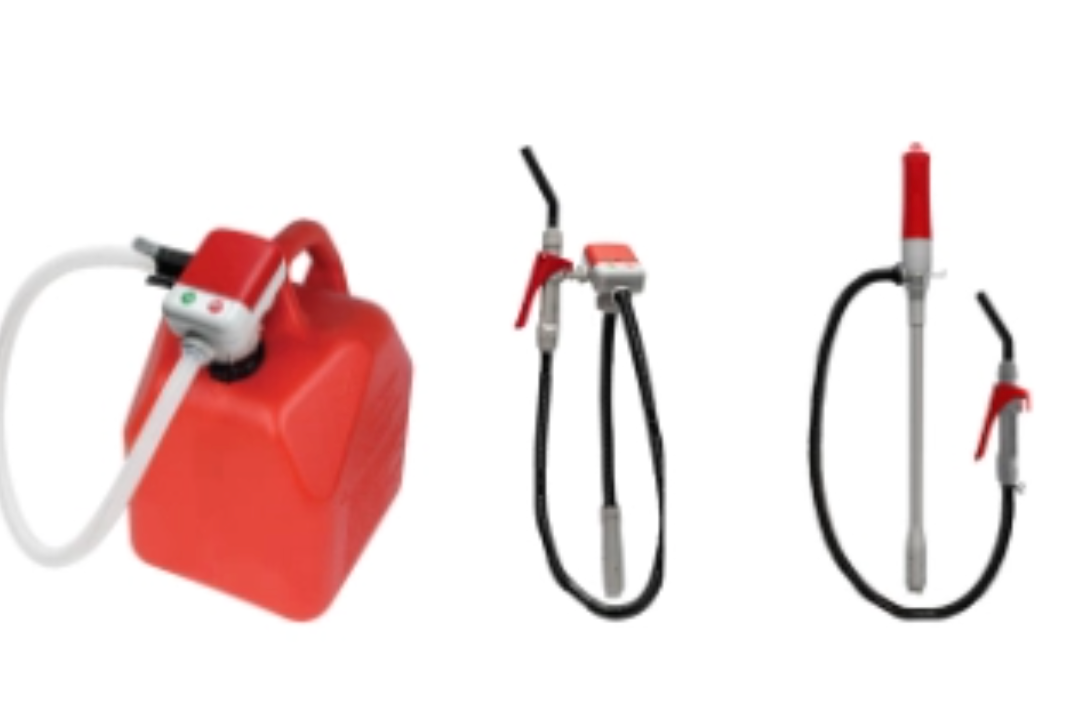
They're definitely called pumps on the easyflo site, and, as such, they do lift - but not all the way up to a high-wing's filler cap from the ground. I think the length of the supplied hose is about the limit. I haven't tried but I suppose they'd work well with portable fuel bladders. In that case, I think I'd go for the clip on hose (as in the car pic below) rather than the Servo style handle because then you'd have two hands free to wrangle the (unstable) bag and the inserted suction hose. https://easyflo.com.au/
-
But I think Dan's point is that 10 litre cans are liftable and a battery powered siphon frees your hands to steady the filter and aim the hose with due care. That solves most of the problems with minimal expense, spillage, weight and general complication. And it can be used at home or away.
-
Yeah, before that he said "You have our apologies, sir" and the "appreciate your professionalism" part, I took to mean "thanks for being cool enough not to cuss me out on the airwaves". Some YT commenters reckon that SWA puts undue pressure on ATC to not delay their aircraft. And the 737 captain's willingness to accept such a T/O clearance seems dodgy, if for no other reason than the ILS protection zone around the threshold. As Juan and others pointed out, the mere presence of another aircraft in that area with a CATIII (zero visibility) arrival on short final can throw the glideslope out - with obviously poor results.
-
The night sky ... whose turn is it? ;- )
Garfly replied to Garfly's topic in AUS/NZ General Discussion
An aviation angle: Everyday Airline Pilot 8.64K subscribers "The best thing about night flights is the views of the stars. Especially any chance to see the Milky Way core."- 1 reply
-
- 1
-

-
Seeing this it's easy to imagine how the ancients came up with earthocentric spheres. If only they'd had YouTube back then ...
-
more data- PULP98 and AVGAS and det and vapour lock
Garfly replied to RFguy's topic in Engines and Props
-
Juan's take on it ....
-
https://www.aviation24.be/airports/austin-airport-aus/a-very-close-call-bewteen-a-southwest-boeing-737-and-a-fedex-boeing-767-at-austin-airport-texas/ (The YT Comment section gives a lot of context so better to click "Watch on YouTube")
-
Aerobatic fun in a Bailey-Moyes Dragonfly
Garfly replied to Garfly's topic in AUS/NZ General Discussion
You may have seen this one already; Bobby Bailey putting his design through its paces in Nepal. From the YT description: "The Dragonfly Rancher is “The Most Versatile Light Aircraft in the World.” And quite likely, be the most fun you will ever have. The Bailey Moyes Dragonfly was first introduced in 1989 by the “Godfather” of Hang Gliding, Bill Moyes. And, quickly gained the reputation as the best aircraft for towing Hang Gliders aloft worldwide. With little surprise, as aero towing was what Booby Bailey designed it for." -
Aerobatic fun in a Bailey-Moyes Dragonfly
Garfly replied to Garfly's topic in AUS/NZ General Discussion
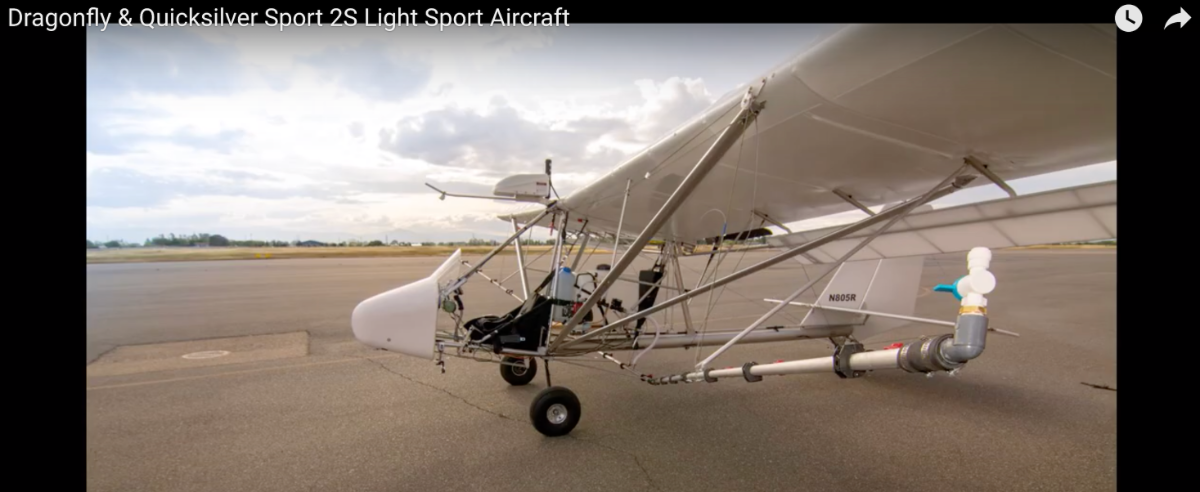
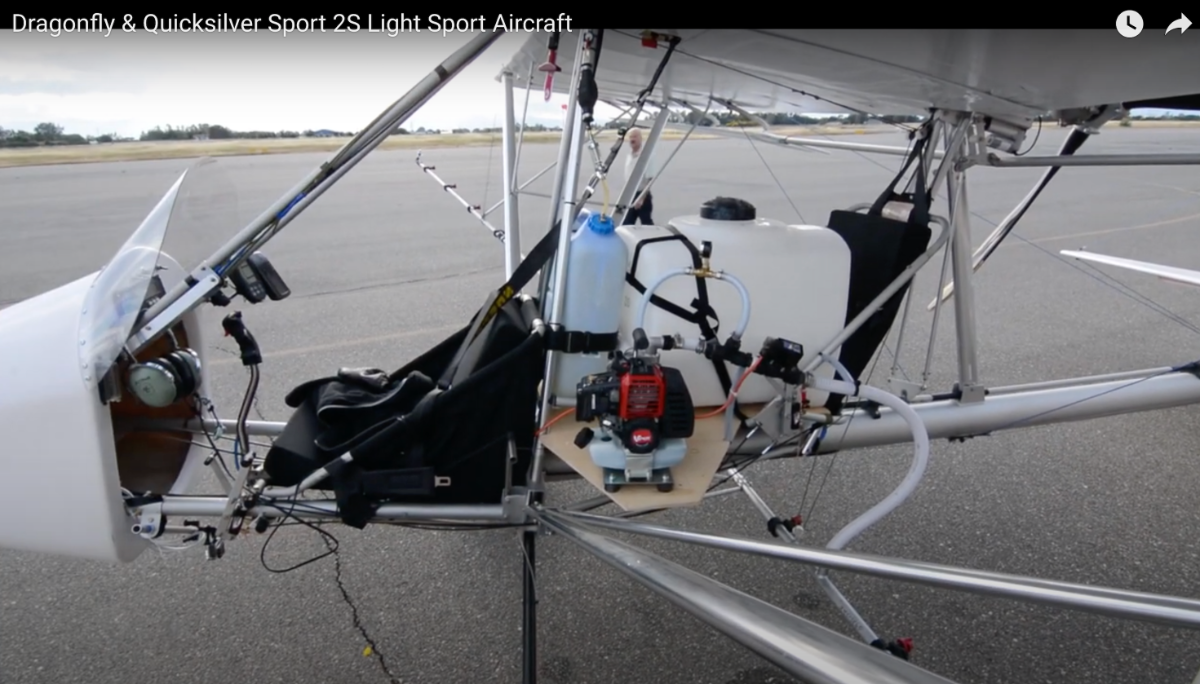
It's not all fun, though. I see that apart from hang-glider towing, the Dragonfly has been put to work crop-spraying. (Not that that wouldn't be fun, too. ; -) CLICK PIC FOR FULL REZ. https://www.youtube.com/watch?v=6eXAkUNOsaM
-
When I had a query about a particular NOTAM not long ago, I got a quick and useful reply from the: Network Coordination Centre Duty Line Manager Airservices Australia [email protected]