Moneybox
-
Posts
1,140 -
Joined
-
Last visited
-
Days Won
54
Content Type
Profiles
Forums
Gallery
Downloads
Blogs
Events
Store
Aircraft
Resources
Tutorials
Articles
Classifieds
Movies
Books
Community Map
Quizzes
Videos Directory
Everything posted by Moneybox
-
Fortunately I don’t have your problem but your suggestion makes sense to me. It’s hard enough to be swapping frequencies when you cross boundaries but if you can be on the correct frequency and be different to the aircraft around you then there will never be clear lines of communication.
-
The reason for my question….. Yesterday’s flight was a bit more stressful than it should have been. The wind was up early. We slept in the van at the airport, I didn’t need to poke my head out to check the weather because to van was rocking in the wind. That meant I didn’t get away until about eight thirty but I used my time double checking the chart, radio frequencies and called ATIS at my destination. When I got in the plane to leave it appeared to have a flat battery. I doubted that because I’d just flown in from Cue and the volt meter had shown readings from 9.8v to 13.2v at different times along the way. I reached up under the cowl and checked, the battery terminals felt tight but when I tried again engine cranked briefly. After a bit of fiddling the engine cranked like it should and the little Rotax burst into life showing full battery power. At least now I know where my charging issues come from, there appears to be a broken wire right at the battery. I was not about to risk turning it off so I made my radio call, taxied to the yellow line, called my backtracking for departure on runway 14 and set off. Just before getting to the end of runway turn point I spotted another aircraft heading directly towards me on final, no acknowledgement of my radio call and no call of their intentions. I hit the throttle, did an immediate u-turn and with the stiff headwind was in the air before he could get near me. I wasn’t happy but was clear of the airport and on my way. I was flying into controlled airspace so apart from noting the two radio frequencies for the tower and the ground frequency I also printed them on the palm of my hand, easier and quicker than checking my written notes. A couple of times I saw an antenna message flash up on the MGL Mini, just enough to put doubts in my mind about my radio. At 10 miles out I made the first call but received no acknowledgment from the tower. A little while later I called again, still silence so I switched to the second frequency, still nothing. By then I was quite sure my radio was not receiving so I did my best to notify the tower on both frequencies that I was not receiving their transmission. Anyway I know my way around Jandakot after training there so I dropped to 1000’ and joined the Right Hand circuit for runway 06R. I was super vigilant but never spotted another aircraft. I knew I was in for a decent crosswind because the wind had been from the SE all morning. As I was descending final I spotted an aircraft waiting on my right to cross my airstrip. Right then the penny dropped, they had changed airstrips since my ATIS call with landings now on runway 12 directly into the wind. No other aircraft in sight and I was crabbing into the wind but setup to land. It turned out to be a 14kt crosswind but landed nicely and taxied to the stop line on 06L. Now I tried to contact Jandakot Ground, still no response and I had to cross a runway to make it to the apron. Everything was clear so I did it briskly and made it to my destination. An inspection by the electronics guy showed the antenna coax cable pulled out of the antenna. Just as well my plane is in for a new panel, new instruments and rewiring. I don’t want to do that again….
-
Yes Skip, I understand, I have my radio endorsement and put it to use whenever I fly however I rarely hear more than my own voice. There are very few small aircraft operating in my region but we do have the big regional airlines delivering and picking up miners from the regional airports and many of the large mine sites. That has prompted my decision to install the Trig TT22 ADSB and Astro+ ADSB receiver.
-
I don’t understand what you mean by this.
-
How do you know if your radio is operating correctly? Where I fly I usually fly alone, rarely another aircraft within radio range. I always make my calls, taxiing, departure, downwind approach etc. but never receive a response. The airports/airstrips I usually fly to are silent as well. If I fly south to Mount Magnet I usually get an echo back from the CTAF that confirms my transmission. Same in Northam I think but can’t remember for sure.
-
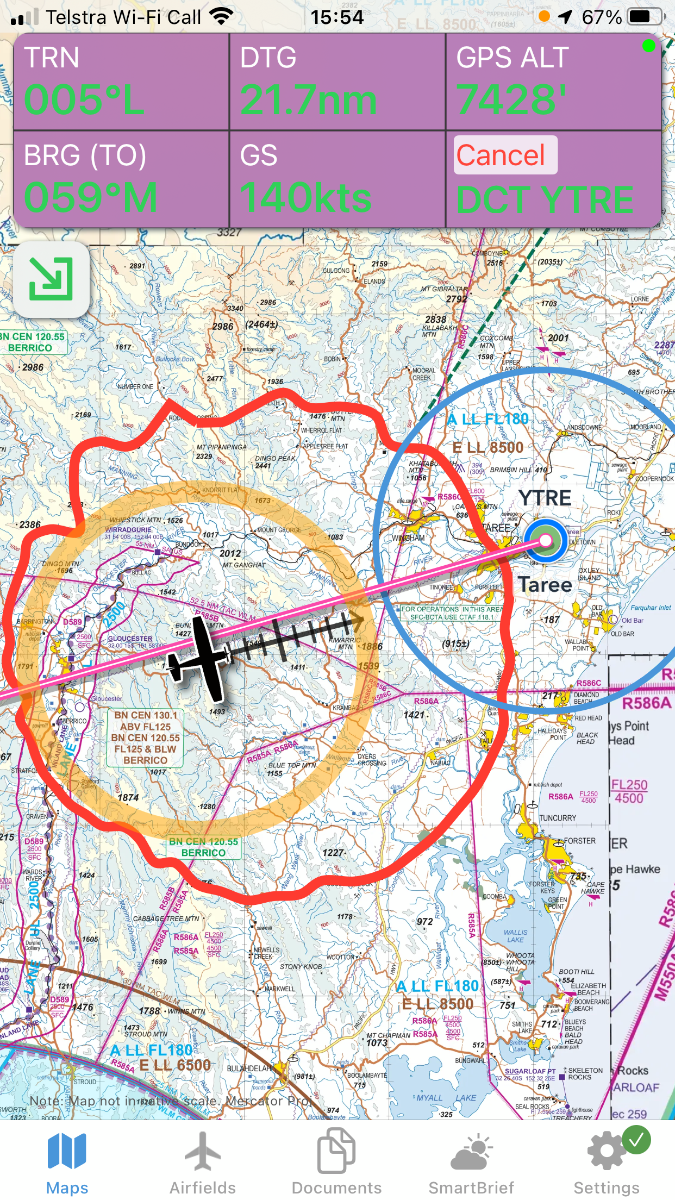
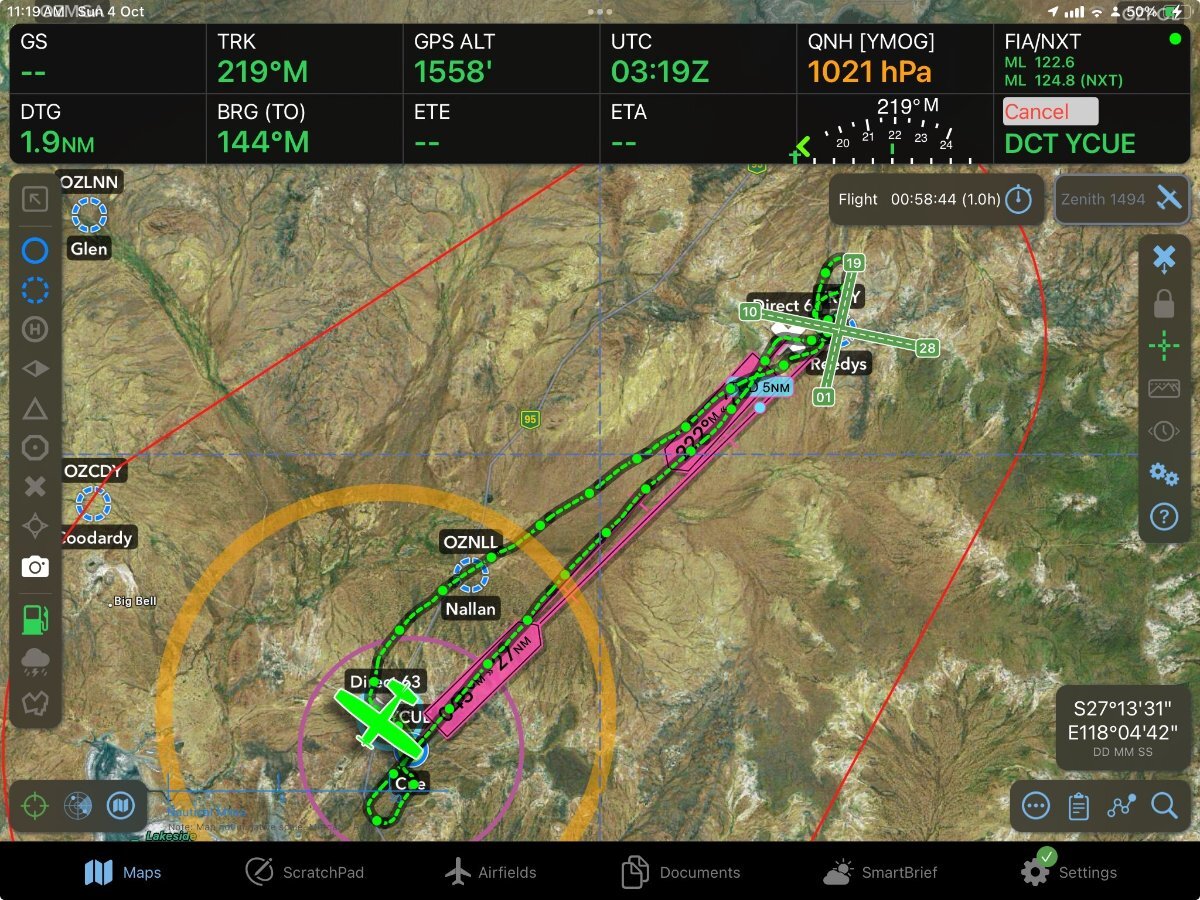
I’m not interested in joining in your argument but I’m quite sure one of my test modules was on BAK in my recent RPC studies. Apart from that, may I ask a question? What is that nice wrinkly red circle that turned up today on my flight from Northam to Jandakot? I’ve never seen it before.

-
I’m too busy to get my history entered but the plane is parked in Jandakot now getting upgrades so hopefully I’ll get back to it soon.
-
I like that indicator for best glide speed, one more thing you don’t have to think about in an emergency.
-
Sorry, I’m blaming google. Yes that’s what I meant 🥹.
-
Post is an essential service a should have been privatised.
-
Sometimes there’s more fight then flight on this forum.
-
The issues surrounding lithium batteries.
Moneybox replied to Downunder's topic in Engines and Props
To be honest I haven’t opened one of these boxes since 2014 when I retired. Unless I’m mistaken they were the standard electrical connections on all of the original AM-General Hummer vehicles that we used to convert to RHD using as much original parts as possible. -
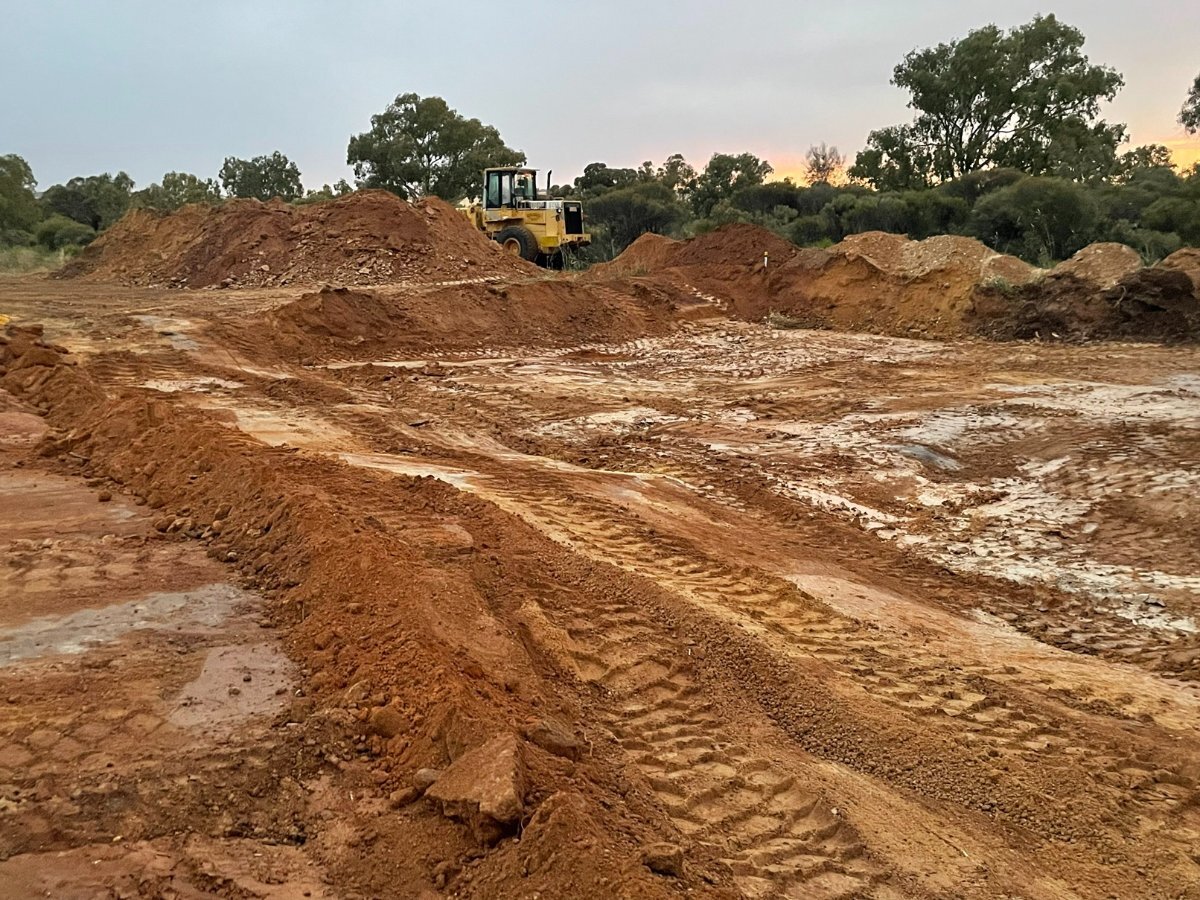
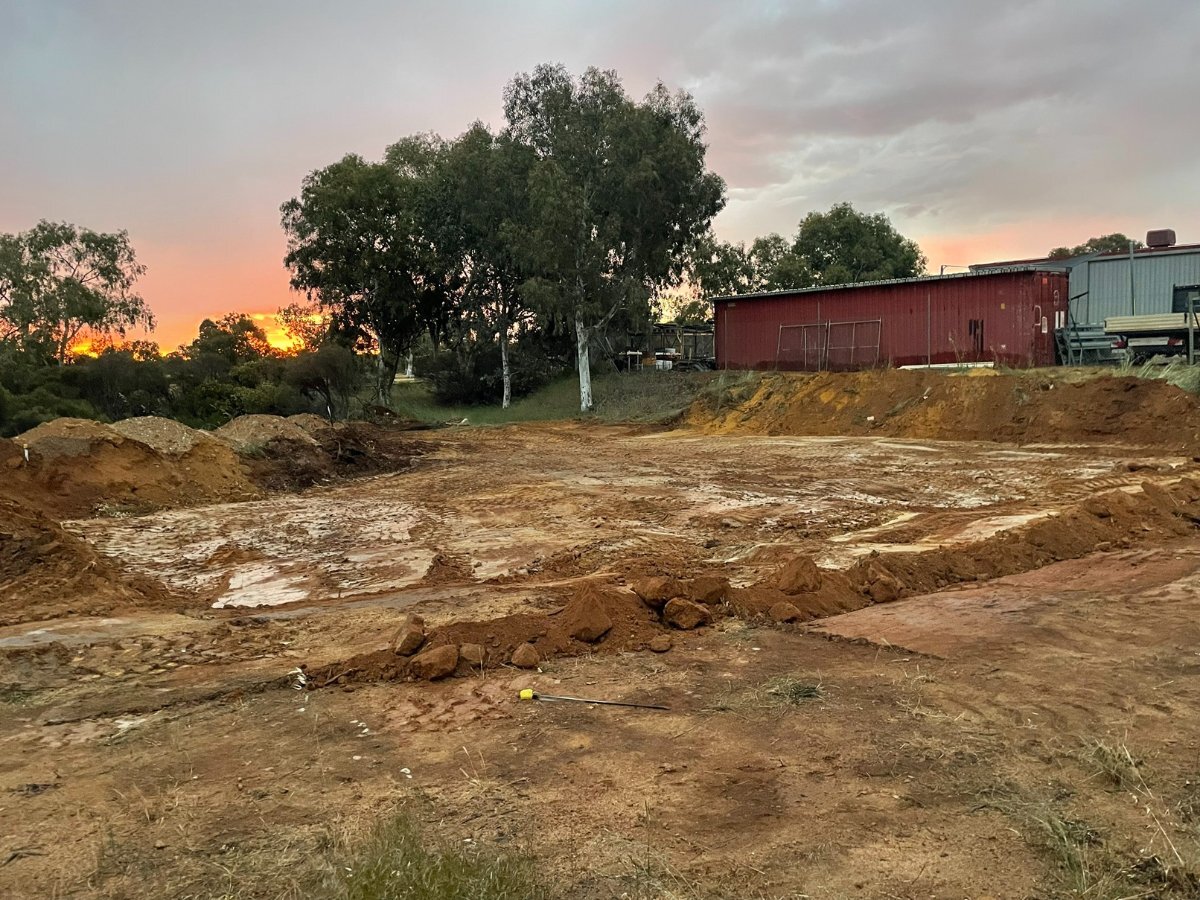
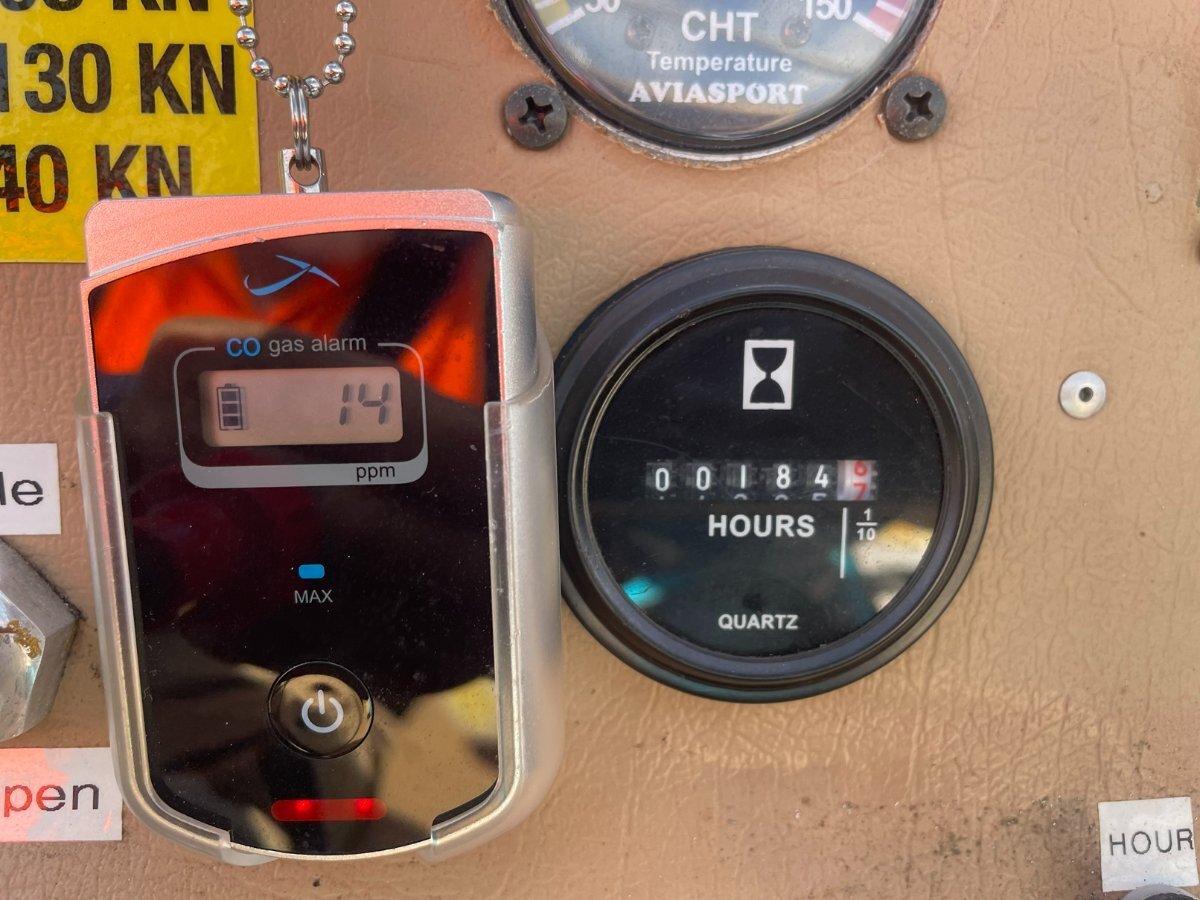
I had a lousy night's sleep last night. I didn't get to sleep until after midnight because Mrs M wanted to spend some time on things that couldn't be done once I was gone. Anyway I got up at the usual, about 4:45am, had my wheatbix and dozed on and off for a couple of hours. When I eventually got myself into gear to go I checked Flight Radar 24 and found the airport to be too busy with the big jets so I delayed my departure until 8:20am. By then the wind was up and a bit gusty so I was a bit cautious lifting off. I actually dropped the front wheel again until I got a bit more speed so that I could get a clear lift-off without getting blown too far off course. The wind was coming from the north so great for runway 04 and a good push in the backside for the journey south. Hobbs meter reading was 182.1 to 184.7 for the 259NM flight. It was a smooth flight so I didn't mind edging a little into the red on cruise. The van I've had parked at the airport has a solar panel on the roof and the Bluetooth app said that the battery was fully charged. It might have had the voltage but it was too dead to crank. I had to wait for a friend to land so that I could borrow a jumpstarter. After paying the discounted $220 for a new battery I was on my way to Wongan Hills. After catching up with the concreter I commenced the excavation. It's not completely finished but I ran out of light. Tomorrow I expect to be filling it in with gravel and compacting it as well as I can. After I landed, taxied and idled the plane for a few minutes, to settle down after the couple of hours in the air, I noticed the CO meter reading 14 PPM. I don't think there's a problem because after the flight to Reedy it was reading zero but I'll keep and eye on it next flight.
-
The issues surrounding lithium batteries.
Moneybox replied to Downunder's topic in Engines and Props
They are good terminals and sealed plugs but you have to buy the correct tools to crimp them properly. I have a couple of their big grey assortment boxes somewhere but I no longer have the tools to work them. -
I ordered a fuel tank sender from Isuzu in Perth a couple of weeks back. The delivery fee for about 200g parcel was $88.00. I cancelled the order so she ended up putting it on Australia Post for $29.00 but then it took a little over a week to get here from Perth. Now I need another so I'll pick it up in Perth. How come I can order something for a few dollars from Aliexpress and get free delivery? I'd much rather buy local but sometimes the prices just blow you away. I can buy belts or bearings from the UK or Europe at greatly reduced component and freight prices and receive them quicker than something coming from an Australian supplier. Australia Post fell apart when they sacked their very highly paid CEO a few years back. It's level of service has never recovered. You can get badly burned buying from Canada or the US.
-
The last of my electronics turned up today on DHL transferred to StarTrack/Post. I've got the plane booked into a workshop at a Jandakot Airport workshop on Monday. My CAT 928 loader arrived in Wongan Hills last night so I'm trying to tie everything together. I need to be in Wongan Hills asap laying foundations for concrete to be laid before the end of the week. The caravan and camping show is on this weekend. I was hoping to get into a new motorhome for our fly/drive to Lake Eyre. The result being I've been rushing around madly getting ready. I packing my face with food while watching the clock tick over. It just turned midday and I've got a four hour fight ahead of me. The plane has to be prepared and I have to pack clothes and supplies for a few days. I made the call "I'm not going today", the job will have to wait. I can't carry a couple of jerry cans all the way out to the plane so I called the airport manager, told him I need access to the airport at 2:00pm to fuel the plane and access to leave early tomorrow morning. At last somebody came to the senses and I got a code to the lockbox, it must be kept secret but I have no problem with that. Now I'm getting Mrs M ready to come and rescue me because I'll be leaving the plane at Jandakot and it's a long walk back. So tomorrow morning I'll set off south from YCUE stop briefly at YPYF fly to YNTM, attempt to start my van (solar on the roof) that's been parked for about six months and head an hour north to Wongan Hills for a few days. Now that I've sorted out the fuel valve I should have no problem with 100L on board. I'm using a USB power bank to look after the iPad so I'm hoping to keep OzRunways going for the duration of the flight. It tells me 259NM in 173 minutes burning 43L of fuel.
-
The issues surrounding lithium batteries.
Moneybox replied to Downunder's topic in Engines and Props
If you are going to heat-shrink them, why not a soldered join? Or crimp if you prefer. -
The issues surrounding lithium batteries.
Moneybox replied to Downunder's topic in Engines and Props
I can't say I've ever seen them. How do you insulate them? -
I need to sit and watch that OzRunways video above but where do you find an hour and three quarters to burn?
-
Done that, I think I’ve cleared them somehow.
-
Thanks Mike, my history is highlighted but no previous flights show up. Perhaps my flight recorder is not on? I need to learn more about OzRunways.
-
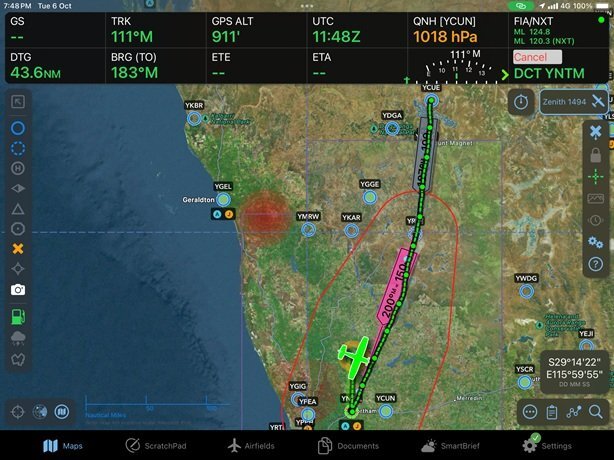
Can anybody tell me if I can save that green tracking from my last flight? I passed over a particular landmark that I'd like to find again. I did attempt to drop a marker but I can't find it now. I guess I pressed the wrong button. If I can save my track I can rerun the same route.
-
We visited the old Hintz property, all the uncles and aunties (all dead except one now), about that time. They had constructed the second stage of the Hintz Dam and the old home was going to be flooded. Somebody got behind it and had the house moved to a nearby heritage reserve, perhaps Tamborine Mountain. Sandra and I went looking for it last time we were in Queensland but couldn't track it down.
-
If you heard this word spoken aloud, it is highly likely the German insult Dummkopf. [1] Meaning: It literally translates to "dumb head" and is a mild, somewhat old-fashioned insult meaning idiot, blockhead, simpleton, or fool. Are we getting a glimpse of your heritage here Nev? Mine are the Hintz family from the Gold Coast hinterland. You must remember Russel, my mother's 2nd cousin.
-
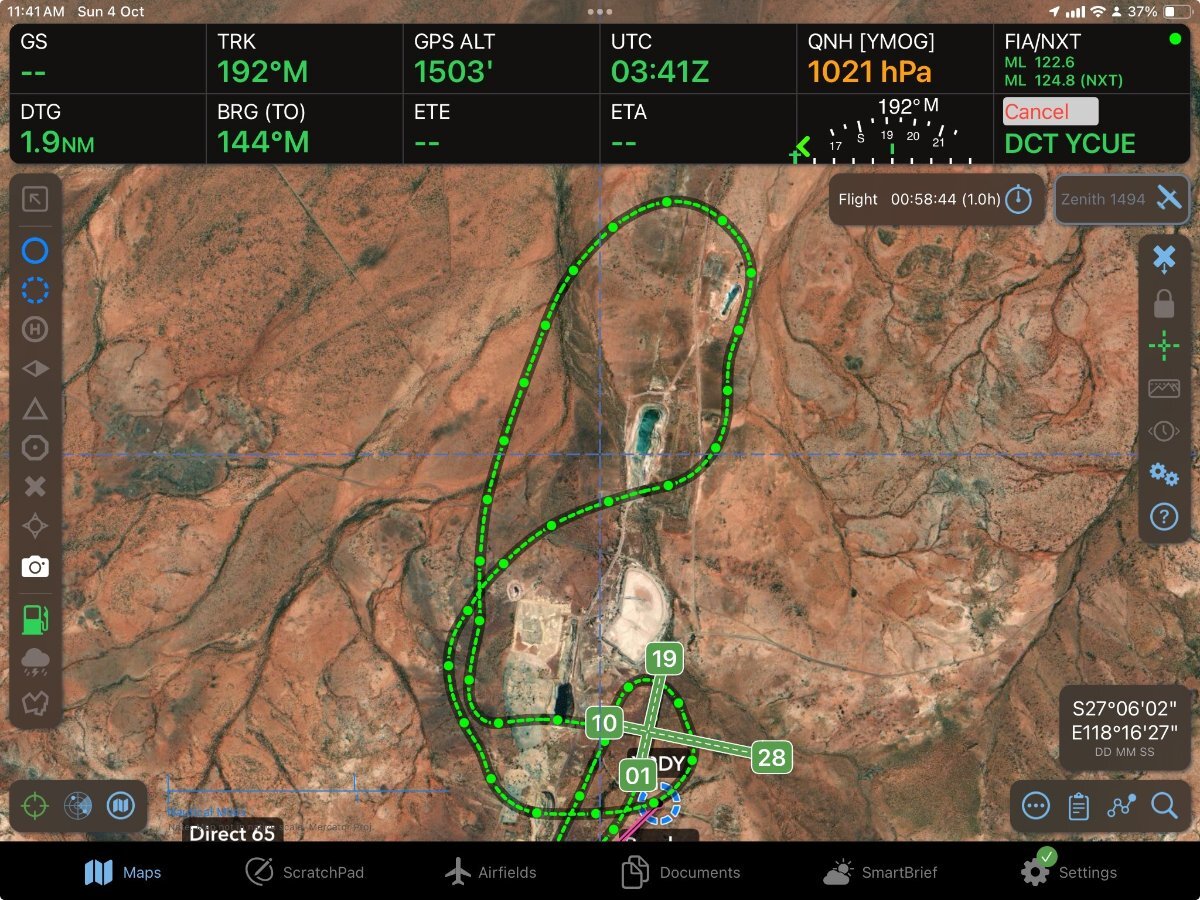
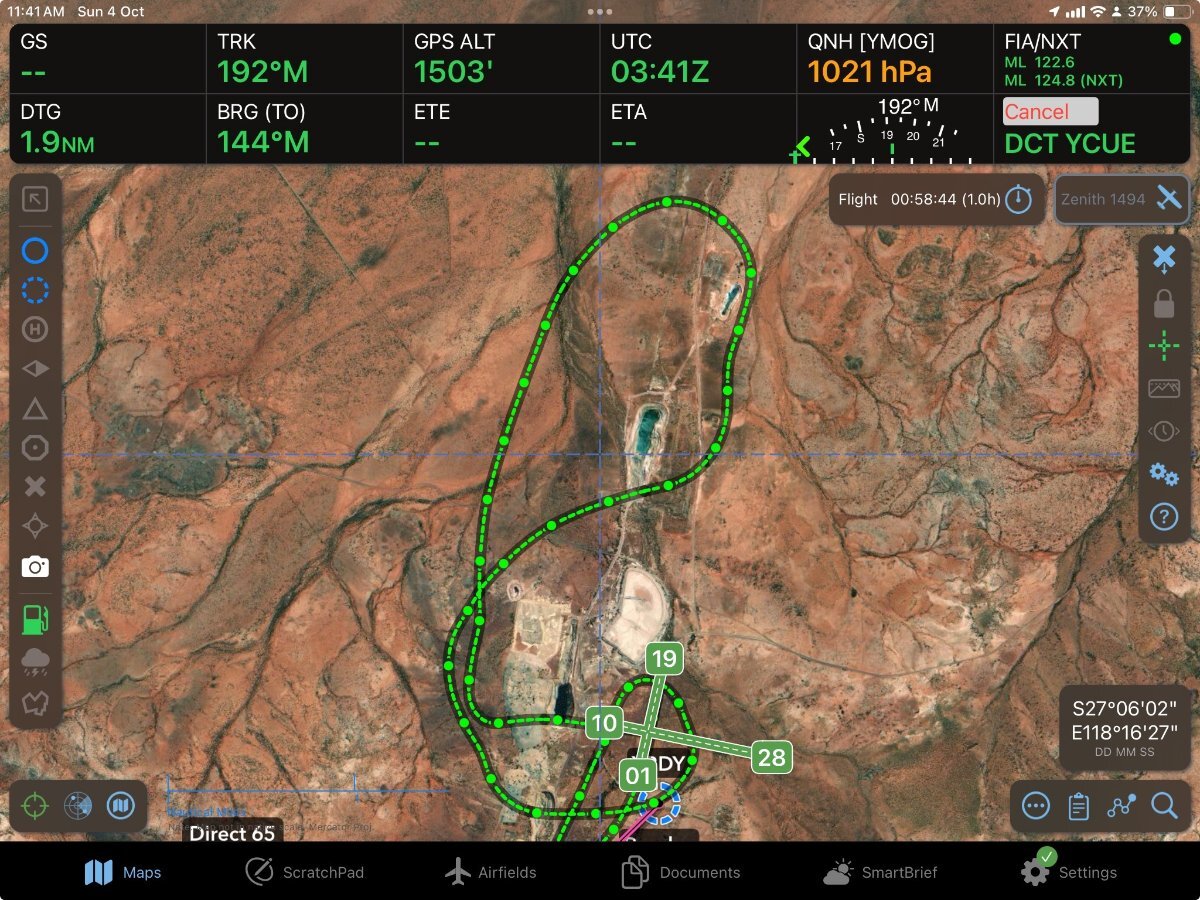
I just returned from and 58.44 minute flight to Reedy, a ghost town in the Murchison just 40km NE of here. I took off in Cue on runway 22 in dead still conditions, circled around and did a touch-and-go on runway 04 before flying back over the Cue industrial area to see if my CAT loader had been picked up. It's being delivered to Wongan Hills today so I can do some work on our shed foundations. It's a short flight up to Reedy YRDY where I've been looking forward to landing. When I circled over the airfield I saw a couple of big dongers/caravans with awnings erected right on the edge on runway 19. I circled over the vans and a few deep goldmine pits before landing on runway 10. I backtracked 19 up to the caravans and knocked on the door but go no response. Just as I cam out from the awning I saw a LandCruiser approaching with four onboard. I told them I wasn't impressed to see their accommodation erected on the airport. They are the mining company who recently purchased the lease and have been told the airport is unusable. They want to use it for fly-in-fly-out. Most of the airstrip surface is in excellent condition with a smooth flat and wide runway with nothing but a few wattle trees. I guess their safety protocol prevents them from attempting to land on the perfectly good 500 and 600m sections. They escorted me back to their office where I gave them my details including the fact that I have two neighbouring leases not 500m away. After seeing me land on 10 and leave on 19 I'm sure they'll look into it further. It's such a waste to see perfectly good airstrips abandoned. The head honcho asked me to notify them before landing next time. The MGL iEFIS says I consumed 15L from the LH tank. At least with the new fuel valve I can now use the tank I choose.