


skippydiesel
-
Posts
7,613 -
Joined
-
Last visited
-
Days Won
73
Content Type
Profiles
Forums
Gallery
Downloads
Blogs
Events
Store
Aircraft
Resources
Tutorials
Articles
Classifieds
Movies
Books
Community Map
Quizzes
Videos Directory
Posts posted by skippydiesel
-
-
Hi Geoff,
So why don't the other MOSFET VR's use a Capacitor?😈
-
Wow! I had expected a thunder of advice/opinions - the silence is deafening.
Where have all the sparkie's gone? Long time off-line😈
-
 1
1
-
-
- B&C AVC1/XB199-2 - An external 14V shunt type VR, designed for use with single phase permanent magnet alternators up to 20A. Claimed to be a drop-in unit including wire connections. Adjustable. Appears to require the retention of the Capacitor. https://bandc.com/product/avc1-advanced-voltage-controller-14v-homebuilt/
The "An external 14V shunt type VR" statement is not correct.
B&C 's initial advice was to use one of their VR's with this operating system.
They changed their advice to the AVC1/XB199-2 which is a modern MOSFET system. Unlike other MOSFET systems, the need for a Capacitor appears to remain.
The web page will give you the correct information.
My apologies for making a misleading statement😈
-
There is no doubt that the "corrugated" fuel/oil/coolant lines work.
I am still uneasy about the number of joins required, the effect that the corrugations must have on flow and the potential for fatigue cracking.😈
-
 1
1
-
-
Great stuff - It puzzles me that the principals espoused/developed by Mike Arnold (& a few others), that allow for extraordinarily fuel efficient airframes, do not seem to be adopted, to any great extent, by small aircraft factory/kit aircraft manufactures (there are exceptions)
Thanks😈
-
 1
1
-
-
Hi All,
To assist with decision making, I urgently need need feedback on the following;
Seems that the easy options have narrowed to;
- B&C AVC1/XB199-2 - An external 14V shunt type VR, designed for use with single phase permanent magnet alternators up to 20A. Claimed to be a drop-in unit including wire connections. Adjustable. Appears to require the retention of the Capacitor. https://bandc.com/product/avc1-advanced-voltage-controller-14v-homebuilt/
- Schick GR6b-OVP 12V is a compact AC rectifier-regulator, believed to be MOSFET, useable for Rotax-, Hirth- and Solo aircraft engines with lead and LiFePO4 batteries. It has been designed to provide a stable power supply minimizing interferences on the aircraft main electrical bus. It has a built in overvoltage monitoring device (OVP) that inhibits ignition of the thyristors if the battery voltage exceeds 15V. Adjustable. No mention of any need for a Capacitor. Will require a bracket adapter be made and changes to wiring. https://www.aeroakku.com/REGULATORS/Schicke-Regulator-GR6b-OVP-12V::1901.html?language=en
- CARMO CARR5115 MOSFET Claimed to be more effective, generate less heat than original, leading greater reliability - suitable for lithium ion batteries 14.6V / 39A. No Capacitor required. Local supplier. Will require wiring changes & fabrication of an adapter bracket https://www.vectriqparts.com.au/product/rotax-voltage-regulator-carr5115/
I await your responses with anticipation😈
-
 2
2
-
FYI - Very Useful Article On Rotax Electrical Power System curtesy of Vans Air Force forum
https://pointsforpilots.blogspot.com/2012/12/testing-rotax-912914-generator-and.html
Also;
https://vansairforce.net/threads/yet-another-voltage-regulator-failure.123402/
😈
-
1 hour ago, IBob said:
I wouldn't conflate the service style with the product. My position would be that you're wanting to buy a good product to do the job reliably: if that comes via a less polished sales outlet, yes that's pesky, but does that effect the product?
Hi IBob,
This is very much in the perception of the customer. Australian service providers, have improved markedly over the last 40 years or so, however remnants of the "take it or leave it" approach, still persist. I would like to think that market pressures will eventually result in unprofessional service becoming a rarity. Due to the small (undemanding?) Au market, this is unlikly in my lifetime.
If COMO CARR5115 was the only option, I would be more inclined to put up with unprofessional service, however, by my count, there are now 7 alternatives to the Ducati VR.
At least 4 of these are the current MOSFET standard.
Some are cheaper some are more expensive - the range is approximately $200 -$735 Au (plus delivery cost) with the CARR5115 being sort of mid range.
It should be noted that only a very few are "drop" in replacements. Most will require wiring changes, some fabrication of a new/adapter mounting bracket.😈
-
1
-
-
Another Option- https://www.trispark.com.au/products/mosfet-20-amp-voltage-rectifier-regulator
Competitively priced at $199.65 Au (before delivery cost
-
20 hours ago, skippydiesel said:
To all - VECTRIQ (Australian agents for CARMO, maker of CARR5115 MOSFET) are coming across as somewhat lacking in professionalism;
- Take two days to respond to enquiries - phone contact not available.
- Do not have any product - want payment before back ordering.
- Do not answer my technical questions.
- Have at least two advertised prices ($52 Au difference).
- Would seem to be asking somewhere in the region of + $164 Au above makers advertised price
B & C (USA - PMR1C-14 regulator) took less than 12 hrs to respond to my enquiry. They have replaced the AVC1 with the PRM1C-14. Looking good!😈
Update;
VECTRIQ have:
- Suddenly found they have the product in stock????
- Still have not answered my questions.
I am in error with the $164 above price - it is a much more reasonable + $83.
I find I am a little uncomfortable with VECTRIQ"s service style - I may be better paying whatever extra and going with one of the overseas suppliers😈
-
FYI - Silent Hektik do not sell outside the EU.
However some determined RV 12/USA pilots have found ways around this; https://vansairforce.net/threads/silent-hektik-voltage-regulator-install.130921/
-
1
-
-
To all - VECTRIQ (Australian agents for CARMO, maker of CARR5115 MOSFET) are coming across as somewhat lacking in professionalism;
- Take two days to respond to enquiries - phone contact not available.
- Do not have any product - want payment before back ordering.
- Do not answer my technical questions.
- Have at least two advertised prices ($52 Au difference).
- Would seem to be asking somewhere in the region of + $164 Au above makers advertised price
B & C (USA - PMR1C-14 regulator) took less than 12 hrs to respond to my enquiry. They have replaced the AVC1 with the PRM1C-14. Looking good!😈
-
1
-
30 minutes ago, Thruster88 said:
The a32 vixxen heater works by ducting heated air from the main front mounted engine radiator. There would be almost zero chance of co2 or any engine bay smells entering this system. Perhaps an antifreeze smell if there was a coolant leak?
Thats interesting - I hadnt heard of a cabin heat system like the one you describe. From your descriptions it sounds like there is no chance of exhaust (CO) being drawn in to the heating system. Still I would be cautious - air flows in the engine compartment can be counterintuitive. 😈
-
1 hour ago, danny_galaga said:
The battery will only be able to draw the maximum 22 amps I think. That's theoretically, as presumably there are other loads on. Radio, lights etc. it will only the draw heavily for a few minutes after starting, since it will be charging up. The current draw between the battery and alternator is governed purely by the difference in voltage between the two. If there's nothing wrong with the battery it will charge up and the batteries voltage increases. If you have an ammeter you should see the amps drop down pretty quickly after a start. Longer if the battery was flat
In my aircraft system, at start up, there is only two small additional loads, my Dynon & iPad both come on with the Master Switch. Further electrical loads are all post start, these are transceiver, transponder (Ground). I don't have lights, which traditionally are a significant load. So whatever the battery is drawing to recharge, is only slightly reduced by additional loads.😈
-
Bit scary to say the east. CO poisoning is insidious and cockpit heaters, that run of the exhaust silencer (or similar), are to be suspected at all times. Be very very cautious,, even a pin hole in the wrong place could shorten your life.😈
-
From Rotax Owners Forum, Mike Miller
"It’s been my experience the 965349 regulator fail from vibration. The potting compound is not rigid, think of the PCB as floating in jello (not sure if jello is a thing in Australia,) the PCB is held to the case by the eight wire leads of the rectifier and SCRs. The typical failure mode is a low voltage alarm at low and moderate RPMs (half wave operation) or no output at all. Typically it starts as an intermittent problem that worsens over time.
Usually these regulators are easily repairable. The potting compound can be removed cleanly with simple tools and minimal effort. The picture of potting compound removal sequence spanned less that 10 minutes from start to finish, but I’ve had a little practice. Inspect the eight locations in the second photo for broken connections and re-solder as needed. The SCR leads may look ok, inspect them carefully, often they can be lifted off the board with your finger nail. The rectifier leads should have a cone of solder up from the board to the cut lead, what you usually find is a crater of solder with the disconnected lead coming through the center. If a lead falls off as you solder it, that’s an indication the failure point was at the body of the component and it won’t be repairable without replacing that component, I’ve only seen this happen once. If you we’re successful and removed the potting compound in one one piece, you can resecure it with RTV, after confirming it’s fixed." 😈
-
1
-
-
"No need for capacitor ........"
Does this mean that the capacitor is redundant?😈
-
36 minutes ago, aro said:
If the failures are being discussed on the Rotax forum, that's probably where you will find opinions on the alternatives. If there are few people here who have failures, no-one is likely to be able to make a comparison.
One thing I have heard is that high load isn't good for the Rotax regulators. One of the characteristics of the EarthX batteries is a high initial charging current, which seems like it might overload the regulator.
Thanks Aro - No one else has mentioned the high current/Earth X possibility.
All the more reason to go with a more recent VR, that specifically claims compatibility with LiFePo4 battery's😈
-
1
-
-
1 hour ago, Red said:
Most over here either just buy another Rotax/Ducati or swap to the Carmo.
I havnt seen a Carmo Failure yet, I know so far of one with about 300 hours on and all good time will tell
Thats good to hear😈
-
Found another aftermarket offering - https://www.aeroakku.com/REGULATORS/Schicke-Regulator-GR6b-OVP-12V::1901.html?language=en
Shicke GR6b-OVP is a compact AC rectifier-regulator useable for Rotax😈
-
9 minutes ago, Red said:
They have a fair number of failures in UK use.
i've had a couple of failures and know of others.
Guessing anecdotally something like 1 in 30 not lasting past a few hundred hours over here
As I say - check out the Rotax Owners Forum. I suggest a cold wet day, warm fire, comfy chair - it will take you forever to plough through all the threads on this topic.
Back to what I am hoping for - some experince /insight into the alternative VR's on the market.
Leaning towards the CARMO CARR5115 MOSFET It being, available locally, at the lower cost end, of the new breed of MOSFET type VR's & a plug/play without tricky voltage adjustments 😈
-
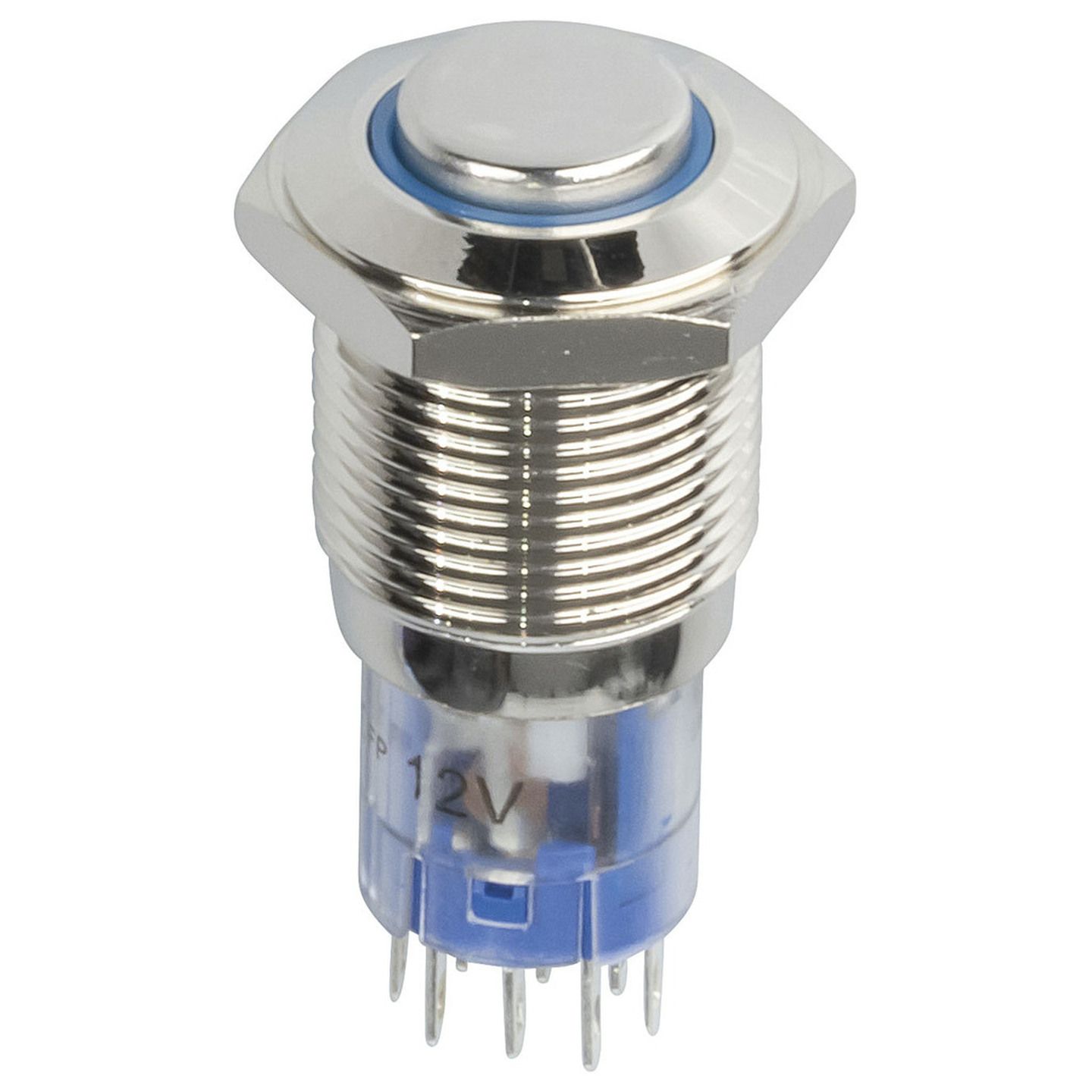
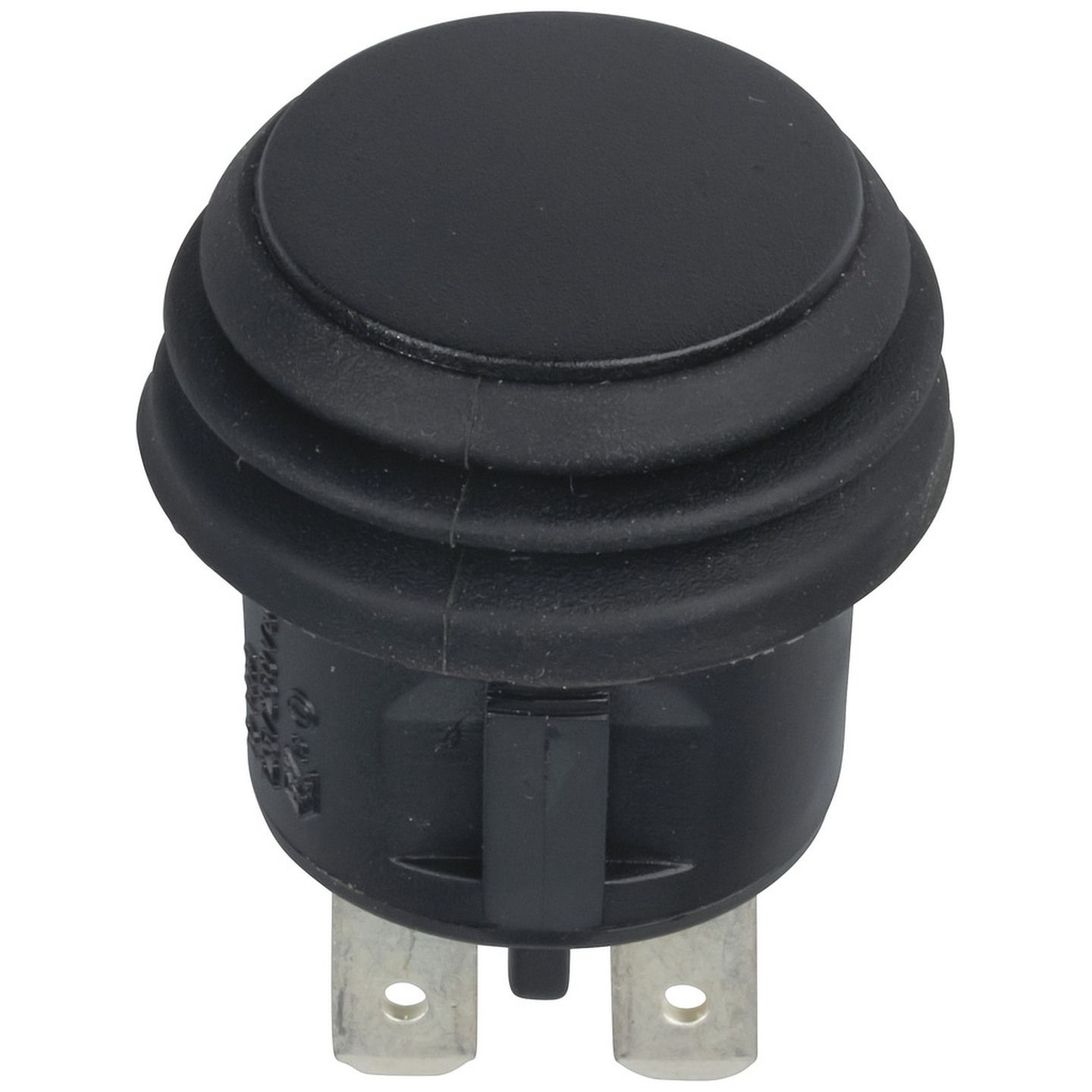
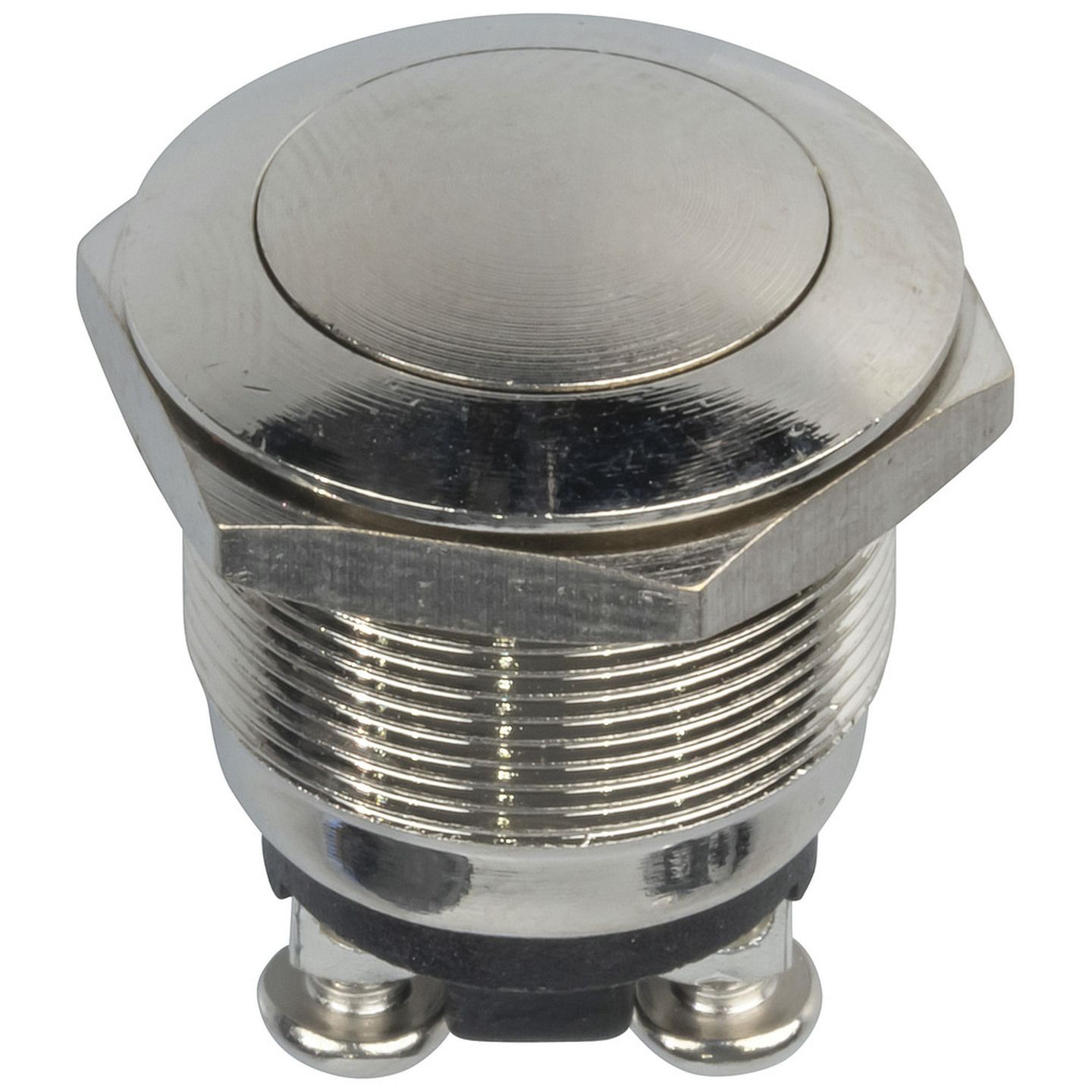
The above and more can be found at JayCar https://www.jaycar.com.au/?srsltid=AfmBOordWIryCYPZQw4XoLujOqA8awaoP_EBpjA0wOG67PI7dDJ6x69G
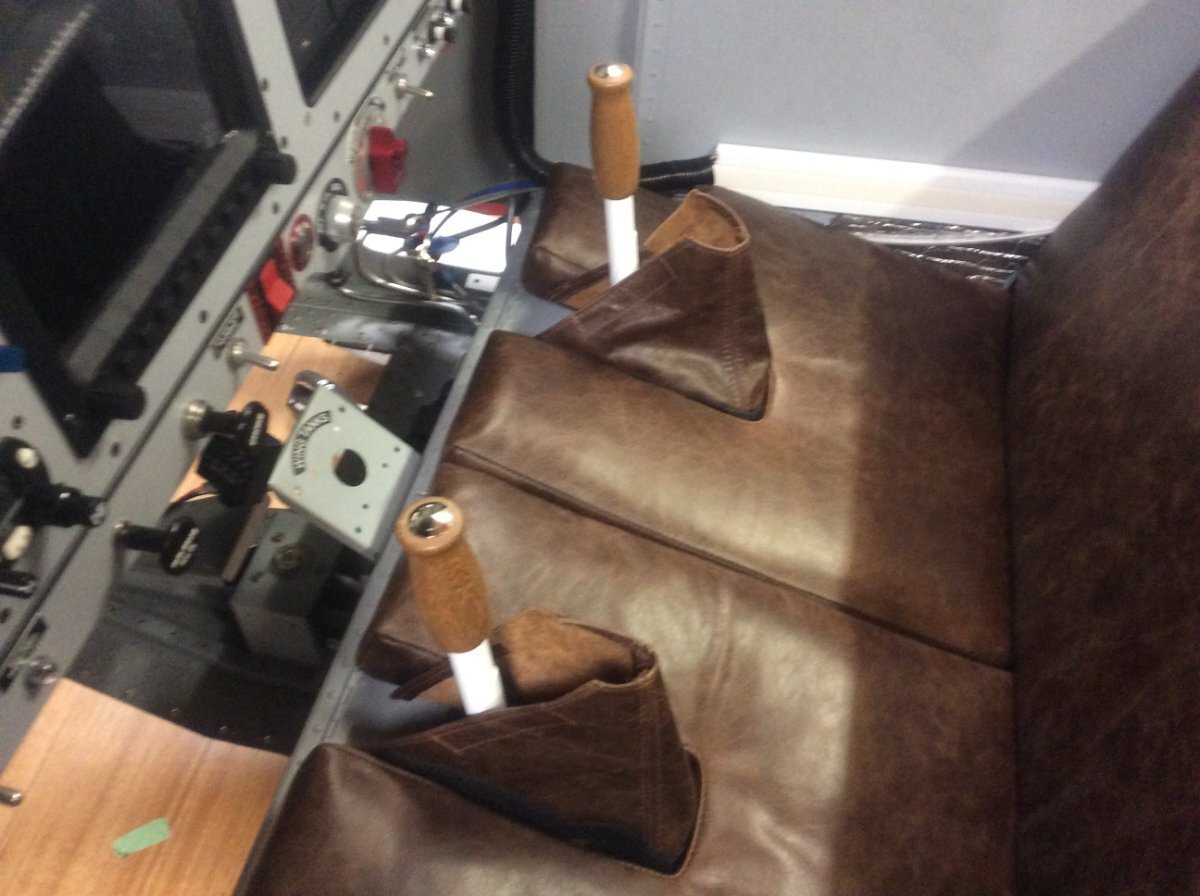
You can use wood, aluminium or steel, to make up spacers as required, to make a good fit in the top of the stick.😈

-
1
-
-
-
Glide approach (no power).
Want to make a posative touch down.
Raise flap, to dump lift, when at the point of touch down.
You will make a shorter landing run and brakes will be effective from the start.😈
Voltage Regulator Failed
in Instruments, Radios and Electronics
Posted
In the absence of qualified / "sparkie" advice have decided to purchase the CARMO CARR5115 MOSFIT.
I hope it will not be too difficult to fit and will last a very long time.😈