

onetrack
-
Posts
8,088 -
Joined
-
Last visited
-
Days Won
101
Content Type
Profiles
Forums
Gallery
Downloads
Blogs
Events
Store
Aircraft
Resources
Tutorials
Articles
Classifieds
Movies
Books
Community Map
Quizzes
Videos Directory
Classified Comments posted by onetrack
-
-
It's not just a grammatical error, the difference between the two descriptions is a major and important difference. Aircraft certification is divided into many categories of certification.
https://www.casa.gov.au/aircraft-airworthiness-certification-categories-and-designations-explained
-
Nev, a tailwheel fork or arm is not really a critical structural steel part. But yes, plating can produce hydrogen embrittlement - however, it's primarily high strength, low alloy steels, that are affected by the hydrogen generated by the plating process. Hexavalent chromium is a bigger threat to your health and lifespan!
-
 1
1
-
-
Water appears in fuel tanks via condensation from the air component of the tanks. As the air cools, the moisture content settles as water in the tanks. So, keep your tanks full as much as possible to reduce condensation.
-
Yes, the forum is based in and run from Australia, but users from all countries come here, and are welcome if they provide content that is interesting, informative, and which adds to our combined aviation and engineering knowledge.
I wish you well with your product, it looks good, and is likely to be acceptable in many countries. I just felt the need to address the issues associated with private (i.e. non-commercial) fuel transport within Australia and its territories, and point out the risks associated with highly combustible fuel transport, which risks are regarded as serious ones by the relevant authorities here.
Fuel transport containers must meet the relevant Australian/New Zealand Standard, which is - "AS/NZ 2906: Fuel containers – portable – plastic and metal".
Below is a link to one of the Australian States, Workplace Health and Safety (equivalent to OSHA) guidance booklets, for the storage and transport of flammable and combustible liquids.
All of our legislation and regulations regarding fuel transport and storage, are centred around risk reduction and education of end-users, to minimise accidents and disasters.
-
1
-
-
You might want to get a handle on the fact that Australia uses 240V power, not 110V, it has different power plugs and wiring as compared to the U.S. - and all containers for carrying fuel in vehicles in Australia must be approved by Govt authority, under the Transport of Dangerous Goods Act - with each State having slightly different regulations, as regards fuel transport in vehicles.
In addition, all containers carrying Hazardous or Dangerous goods must be labelled under the GHS (Globally Harmonised System) labelling regulations. Most Western countries (including the U.S. and Australia) are party to the GHS labelling system. This system clearly identifies the hazardous substance with pictograms on the containers or vessels and also provides readily provides MSDS information for first responders to fires and crashes.
250 litres is the maximum allowable volume to be carried in private vehicles in Australia - above that amount, you need to have a commercial Dangerous Goods transport permit, and your vehicle must carry standardised U.N.-markings - the Dangerous Goods diamond-shaped warning plates, front and rear. Documentation for the DG load must also be carried in the vehicle, relating to the supplier and carrier, and responsible persons contact details. This type of DG load is referred to as a "placarded load".
50 U.S. gallons is approximately 190 litres. Note that the 250 litre transport limit for vehicles in Australia, includes the fuel in your vehicle fuel tank.
A fuel transport container on wheels may not get approval to transport in a vehicle in Australia, as fuel transport containers are required to "be properly secured" in a vehicle.
Adding substantial tie-down points to your Fuel Mule would be advisable, to ensure it received official transport approval in Australia.
There is an important distinction between petrol fuels (avgas and gasoline) and diesel-based fuels in Australia. All fuels with a flashpoint below 60°C are classed as "Flammable liquids", but fuels based on petrol are classed as Combustible liquids, because their flashpoint is around -43°C, and they will ignite easily from a single spark, at well below room temperature, thanks to the large volume of volatile fumes these fuels produce.
Diesel or kerosene-based fuels do not pose such a severe flammability danger as petrol-based fuels, because they do not produce the same level of volatile fumes as petrol-based fuels.
If you own a boat, you are no doubt well aware of the dangers of refuelling with volatile fuels, and the need to avoid containment of the fumes produced.
I have seen an entire major fuel storage depot burn to the ground, simply because a customer refuelling his car and caravan (trailer home) out front of the depot (via a depot fuel bowser), spilled some petrol, due to overfilling his (petrol) fuel tank.
The petrol fumes wafted into his caravan, where he'd left his LPG fridge burning. The petrol fumes ignited via the gas burner flame, the caravan went up in flames, the car joined it, then the fuel depot caught fire, too!
It ended up a multi-million dollar fire, and it wasn't even in a built-up urban area, it was in a small country town, where the depot was located in an isolated industrial area of town. A strong, steady wind aided the fire to take hold rapidly.
There's a general official attitude discouraging the transport of any more than about 50 litres of petrol-based fuels in vehicles, in Australia. This is because of the severe level of danger involved in the case of a vehicle crash, where a vehicle is carrying more than about 50 litres of petrol-based fuels, in portable containers (or container).
Fuel tanks built into vehicles have a major level of protection built into their design, such as their location, plus protective shields around the tank. This is not the case with volatile fuels being carried in bulk containers in vehicles.
Finally, service stations (gas stations) in Australia will generally not allow the filling of portable fuel transport containers in vehicles, due to static ignition fire potential.
All portable fuel-carrying containers must be removed from the vehicle and placed on the ground for filling, and the container size being filled is not allowed to be larger than 25 litres.
-
1
-
 1
1
-
-
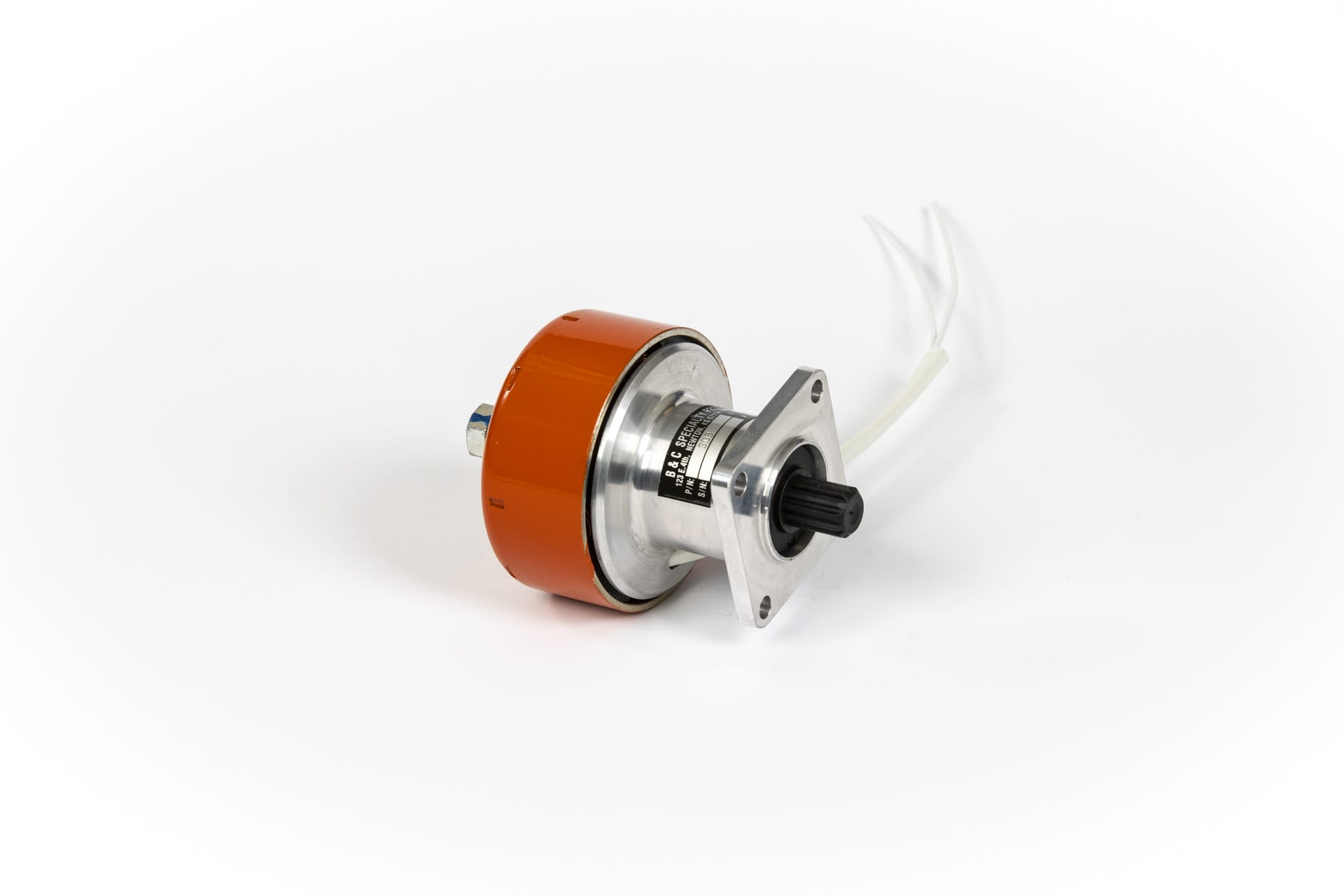
Dave, the alternator specs are in the link below;
 SD8 Alternator, 8 Amps (Homebuilt) - B&C Specialty Products
BANDC.COM
SD8 Alternator, 8 Amps (Homebuilt) - B&C Specialty Products
BANDC.COM
The spline-driven SD8 alternator offers the benefits of an exceptionally lightweight alternator, and a design with proven durability in the rugged world of aerobatic aircraft. Weighing just 2.9 lbs., with a rated output... -
Hi Dave - The meters are new, the discolouration is because there's a protective plastic strip stuck to the face of the meter. Where are you located? I'll give you a call tomorrow, because it's a little late in the evening right now. Cheers, Ron.
-
Skippy, how do these Hengst filters handle water in the fuel? I have never used them, only the plastic Ryco inline, pleated paper style - but the Ryco filters will block up totally with any moderate amount of water, and completely cut off the fuel supply. In an aircraft, I would expect an event like that to be extremely seat puckering.

Newton Spri Ltd Fuel Valve
-
-
-
-
-
in Aircraft Parts
Posted · Edited by onetrack
$409.20 including GST from the retailer below, Skippy. Could be some of the reason you've got no nibbles? I understand the AU$ is appreciating against numerous other currencies.
There is a delay in shipping due to no stock in Australia at present. That could be a selling point? However, I'd imagine it's not a strong selling point.
https://www.aircraftspruce.com.au/catalog/pnpages/05-04450.php