


old man emu
-
Posts
5,297 -
Joined
-
Last visited
-
Days Won
78
Content Type
Profiles
Forums
Gallery
Downloads
Blogs
Events
Store
Aircraft
Resources
Tutorials
Articles
Classifieds
Movies
Books
Community Map
Quizzes
Videos Directory
Video Comments posted by old man emu
-
-
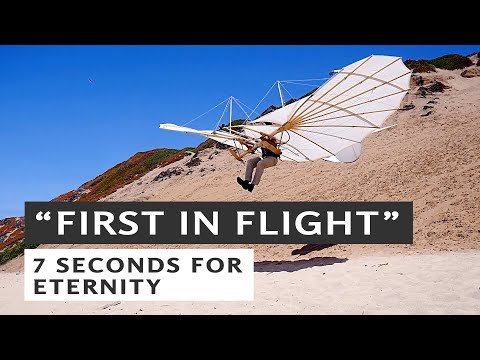
The only step forward I see that Lilienthal made was upper surface curvature of the wing. That was an important step and was the basis of the Wrights' research. Based on their measurements, the 1901 aircraft only developed 1/3 of the lift which was predicted by using the Lilienthal data. At the time of the Wright brothers, the reference conditions for the lift and drag was the drag on a one square foot flat plate moving at one mile per hour. Today we base our lift and drag coefficients on the dynamic pressure of the moving air.
When the Wrights began to design the 1900 aircraft, they used values for the lift coefficient based on the work by Lilienthal. Lilienthal and the Wrights used the .005 value for the pressure factor. During the kite and glider experiments of 1900 and 1901, the brothers measured the performance of their aircraft. Neither aircraft performed as well as predicted by the lift equation. The 1901 aircraft had been designed to lift itself (100 pounds) plus a pilot (150 pounds) when flown as a kite in a 15 mile per hour wind at 5 degrees angle of attack. But in flight, it could barely lift itself in a 15 mile per hour wind at a much higher angle of attack. So the brothers began to doubt the .005 value for the Smeaton coefficient. They determined that a value of .0033 more closely approximated their flight data. They developed a system of measuring the forced of Lift and Drag, using a constant wind velocity generator (wind tunnel), and produced the results that enabled them to build winged machines that would rise above the ground if the speed of the air over the wings was sufficiently fast enough. Since they could not make a wind tunnel big enough for a man-carrying machine, they had to design their machine with the known wind speeds of Kittyhawk in mind. At the end of their 1901 wind tunnel tests, the Wright brothers had the most detailed data in the world for the design of aircraft wings.
We tend to gloss over the actual work the Wrights put into making those first gliders. Their use of the Scientific Method virtually ensured them of success, at least in making a machine that would rise from the ground and remain airborne. Don't forget that in their early excursions off the ground the machine was tethered, simply relying on wind speed and wing design to keep it aloft, like a child's kite. This, no doubt, allowed these excursions to last much longer than any free-flight and, once they had twigged to the way to control roll, let them practice their control skills.
-
 2
2
-
 1
1
-
-
I reckon it would fly better if the tail was removed. It moves about too much and that must induce turning forces that are counter to the forces generated by the mainplanes.
-
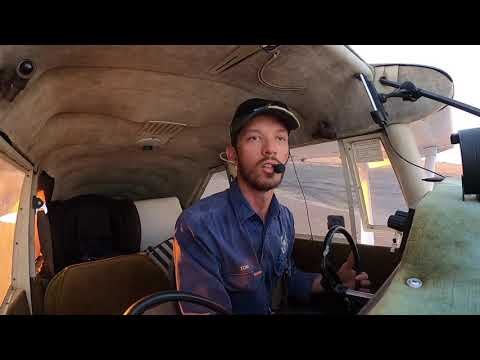
According to the movie, Charles Lindbergh didn't cross the Atlantic solo. There was a stowaway fly which kept him company and awake for a while.
-
My eyes deceived me. I thought I saw two seats behind him.
-
3 hours ago, Admin said:
Yep, Tomo use to be an active person on this site. I remember when he got engaged and we followed his endeavors up in PNG etc
Looks like he's back on the family farm. Is that a Tri-Pacer he's flying?
-
Is this Tommo from Cecil Plains, Queensland?
-
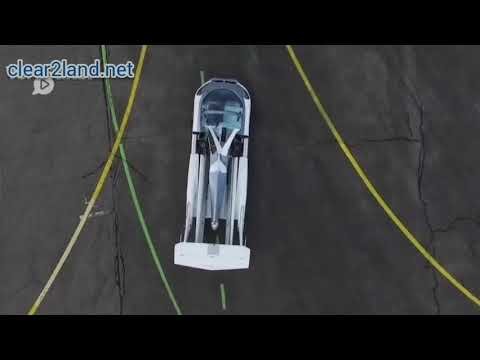
Try getting that through ADRs and crash-worthiness.
-
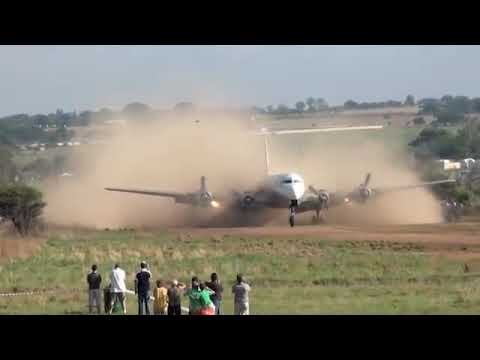
Is that in Australia?
EN Otto Lilienthal: "FIRST IN FLIGHT" - 7 Seconds for Eternity
in Gliders and Soaring
11Posted
Imagine how far along we would be today if the Wright Brothers had not sold their patents to Big Business, which effectively stifled aeronautical advancement in the USA until 1920 when a parsimonious government set up a small organisation to advise on research. That was the National Advisory Committee on Aeronautics (NACA).